For decades, family vacations were often synonymous with a frantic race to secure the cheapest package deal, a whirlwind tour of pre-determined sights, and a relentless schedule packed with activities. But a quiet revolution is underway in the way families plan their getaways. The data speaks volumes: searches for “family trip vision board” have skyrocketed 545% year over year, alongside a significant increase in searches related to road trip car setups, snacks, and travel journals. This isn’t just a fleeting trend; it’s a fundamental shift in how families approach travel, prioritizing connection and experience over rigid itineraries. Let’s dive into how this new approach is taking shape.
The Rise of the Family Trip Vision Board: More Than Just a Pinterest Board
The concept of a vision board, in general, isn’t new. It’s been used for decades to visualize goals and dreams across various areas of life. However, the application to family travel is a relatively recent phenomenon, largely fueled by the accessibility and visual nature of Pinterest. But it’s more than just pinning pretty pictures. A family trip vision board is a deliberate exercise in intention-setting. It’s a way to articulate why you’re taking a trip, what you hope to gain from it, and the overall vibe you’re aiming for. According to a recent study by travel psychologists at the University of California, Davis, actively creating a vision board can increase motivation by up to 20% and improve the likelihood of achieving the desired outcome – in this case, a truly fulfilling family vacation. Before the spreadsheets and flight comparisons, it’s about asking yourselves: “What does a truly good vacation look like for us?” It’s about distilling the essence of the experience you’re craving.
The Numbers Don’t Lie: A Growing Trend
The surge in searches for “family trip vision board” is a compelling indicator of this evolving trend. As mentioned earlier, Pinterest reports a 545% increase in searches for this specific term over the past year alone. This isn’t just a niche interest; it’s a mainstream phenomenon. Beyond Pinterest, we’re seeing significant increases in related searches – road trip car setups are up 530%, road trip snack ideas are up 170%, and traveler’s journals have seen an astonishing 1,280% increase. Consider this: the average family spends over $1,200 on snacks and drinks for a week-long road trip. That’s a substantial investment, and the fact that families are meticulously planning their road trip provisions suggests a commitment to making the journey itself a positive and enjoyable experience. These numbers highlight a clear shift away from viewing travel solely as a means to an end (the destination) and toward valuing the entire process – the anticipation, the exploration, and the shared moments along the way. This trend isn’t just about spending more money; it’s about investing in experiences and memories.
Beyond the Destination: Focusing on the ‘Feeling’
One of the most significant shifts driving the rise of family trip vision boards is a move away from destination-first planning. For years, families were often swayed by glossy brochures and enticing resort packages, prioritizing the idea of a particular location over a genuine understanding of what they truly wanted from the trip. Now, parents are focusing on the ‘feeling’ of the trip rather than just the destination. This is a crucial distinction. Instead of asking, “Where can we afford to fly?”, they’re asking, “What do we want this to feel like?” Do they crave relaxation and sun-drenched beaches? Perhaps a sense of adventure and exploration? Maybe a deeper connection with nature? The vision board becomes a tool for articulating these emotional desires. A Pinterest board filled with images of cozy cabins in the woods, crackling fireplaces, and starry nights will evoke a different feeling than one overflowing with images of crowded theme parks and bustling cityscapes. It’s a way to translate intangible desires into visual cues.
Practical Steps to Creating Your Family Trip Vision Board
Creating a family trip vision board doesn’t have to be complicated or expensive. Here’s a step-by-step guide to help you get started:
Step 1: Family Meeting – The Brainstorming Session
Gather your family and discuss what you all envision for your trip. Encourage everyone to share their ideas, no matter how big or small. Write everything down – don’t censor or dismiss any suggestions at this stage.
Step 2: Identify Core Values and Desired Feelings
Once you have a list of ideas, narrow them down to the core values and feelings you want to prioritize. For example, “connection,” “adventure,” “relaxation,” “learning,” or “creating memories.” These will be the guiding principles of your vision board.
Step 3: Gather Visual Inspiration – Pinterest is Your Friend
Start a Pinterest board dedicated to your trip. Pin images that evoke the desired feelings and experiences. Don’t just pin destinations; pin activities, food, lodging, and even small details like roadside attractions. Aim for a diverse collection of visuals that capture the essence of your trip. A good guideline is to pin at least 50 images for a week-long trip.
Step 4: Add Personal Touches – Beyond the Digital
You may also enjoy reading: 13 Teen Movies From the Early 2000s That Shaped Our Youth.
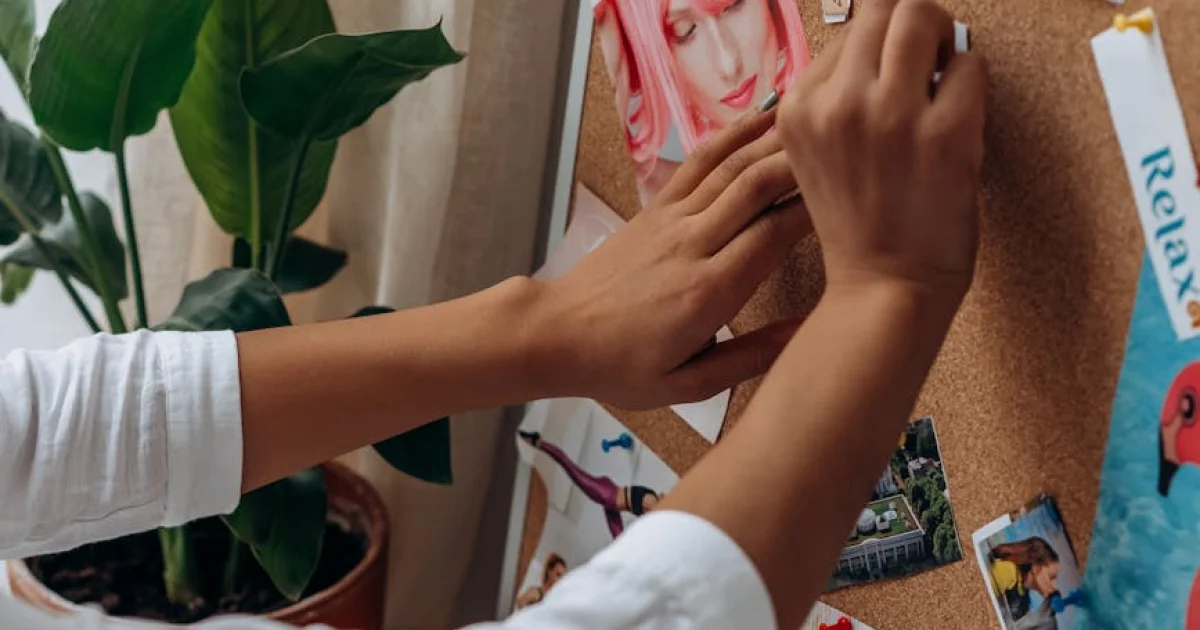
Don’t limit yourself to Pinterest. Include photos of yourselves, maps, handwritten notes, quotes, and anything else that represents your family’s personality and goals. Consider creating a physical vision board using a corkboard, foam board, or even a large piece of poster board. Adding tactile elements can make the process more engaging and meaningful.
Step 5: Review and Refine – A Living Document
Your vision board shouldn’t be a static document. Review it regularly and make adjustments as needed. As you start planning your trip, you may discover new ideas or priorities. The vision board serves as a reminder of your intentions and helps you stay focused on what’s truly important.
The Road Trip Renaissance: Intentional Planning for the Journey
The rise of family trip vision boards is inextricably linked to the resurgence of the road trip. With rising airfare costs and increasing concerns about environmental impact, more families are opting for road trips as a more affordable and sustainable way to travel. But the road trip isn’t just about getting from point A to point B; it’s about the journey itself. And families are now approaching this journey with a newfound sense of intentionality. As evidenced by the spike in searches for “road trip car setups,” “backseat activity trays,” and “road trip snack ideas,” parents are investing in creating a comfortable and engaging travel environment for their children. This isn’t about simply packing a cooler full of junk food; it’s about creating a shared experience that fosters connection and reduces travel-related stress. One study by Family Travel Magazine found that families who planned their road trips with specific activities and entertainment in mind reported 30% fewer arguments and a 25% increase in positive family interactions.
Embracing Spontaneity: Letting Go of the Rigid Schedule
Ironically, the focus on intentional planning is also leading to a greater appreciation for spontaneity. While a vision board helps you define your core goals for the trip, it doesn’t need to dictate every minute of your itinerary. In fact, some of the most memorable family travel moments happen when you deviate from the plan. The key is to balance intention with flexibility. A vision board can serve as a framework, guiding you toward experiences you truly value, while leaving room for unexpected discoveries. My own family has learned that one thing a day – a simple, achievable goal – provides structure without suffocation. It’s a way to ensure that you’re making the most of your time together, without feeling overwhelmed by a packed schedule. Last summer, we took a trip to Los Angeles and decided on a whim to spend an afternoon wandering the beach in Santa Monica and shopping in Venice Beach. It turned out to be one of the highlights of the entire trip – a spontaneous moment that created a lasting memory. That photo, a slightly ridiculous shot of my then-eight-year-old with a bewildered expression, is framed and hangs in our hallway. It serves as a reminder that the best travel experiences are often the ones you don’t plan.
Beyond the Budget: Prioritizing Experiences Over Things
The shift towards family trip vision boards reflects a broader trend in family travel: a move away from material possessions and toward experiences. As families grapple with rising costs, they’re increasingly recognizing that memories are far more valuable than souvenirs. A family trip vision board encourages you to prioritize experiences over things. Instead of splurging on expensive hotel rooms and designer clothes, you’re focusing on creating shared moments that will be cherished for years to come. This doesn’t mean sacrificing comfort or convenience; it simply means being mindful of your spending and investing in activities that align with your family’s values. A camping trip in a state park, a hike in a national forest, or a visit to a local museum can be just as rewarding as a luxury resort vacation – and they’re often significantly more affordable. Furthermore, studies show that families who prioritize experiences report higher levels of happiness and well-being. The memories created during a trip tend to last longer and provide a deeper sense of connection than any material possession ever could.
The Future of Family Travel: Intentionality and Connection
The family trip vision board is more than just a trend; it’s a sign of a fundamental shift in the way families approach travel. Driven by a desire for more meaningful experiences, a growing awareness of rising costs, and the influence of social media, parents are embracing a more intentional and connected approach to vacation planning. As the data continues to show a strong upward trend in searches related to this practice, we can expect to see even more families using vision boards to shape their travel dreams. The rise of the family trip vision board represents a move away from the frantic pace and consumerism of traditional family vacations and toward a more deliberate and rewarding journey – one that prioritizes connection, experience, and lasting memories. It’s a beautiful reminder that the best vacations aren’t always about the destination; they’re about the journey, and the people you share it with.