Summer doesn’t quite feel like summer until we’ve savored a bite from a sweet, juicy wedge of watermelon. As much as we consider this one of popular seasonal fruits—and even though we adore and frequently make these sweet and savory watermelon recipes—we find it daunting to make our way through the entire melon before it is past its prime. The average large watermelon clocks in at about 20 pounds. Whether it is seeded or seedless, red or yellow, 70% of the average watermelon is flesh, and the other 30% is rind. (All of this is edible—yes, including the rind!) Each pound of watermelon is equivalent to about 1 ½ cups of cubes. So your 20-pound watermelon with 14 pounds of flesh will yield 21 cups of fresh fruit. Once a watermelon is harvested, it doesn’t ripen any further, and it has a 3 to 4 week shelf life, according to the National Watermelon Promotion Board. But that’s when it is whole, so how long does a cut watermelon last? Our Test Kitchen has answers so you know how quickly you need to hustle through that haul.
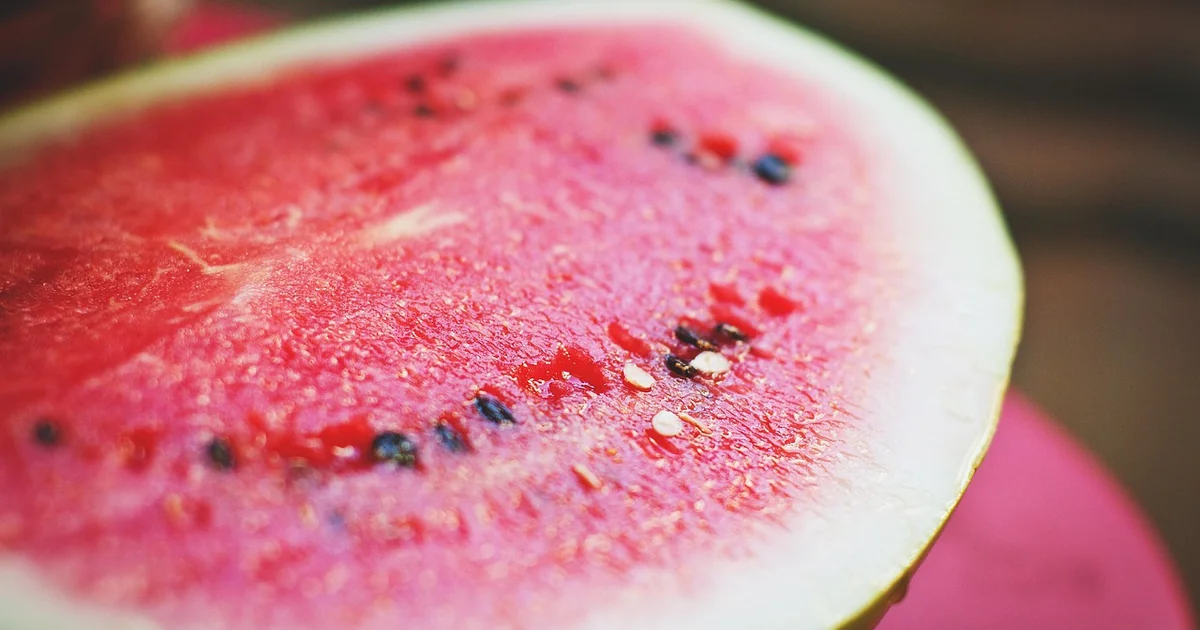
If you’re searching for the best watermelon, look for fruit that:
- Has a natural sheen
- Is vibrant in color
- Features a creamy yellow spot on one side (a sign that it has rested on the ground until it ripened)
- Emits a hollow, drum-like sound when you knock on the exterior
- Feels relatively heavy for its size
- Is not cracked
The ideal temperature for storing whole watermelons is around 55°F, according to the National Watermelon Promotion Board. This is higher than a refrigerator or a root cellar, Brekke adds, making it a unique food-storage challenge. “Most people don’t have an area of the home that is that temperature, so we’d suggest finding a cool, dry area such as a basement or cool garage depending on the time of year to store the melon if it won’t be consumed right away,” Brekke advises. A whole watermelon can be stored at or around room temperature for 7 to 10 days, but for the freshest and sweetest flavor, the sooner you savor it, the better. “Because we can’t be sure of how long purchased cut watermelon has been on the shelf, it’s better to err on the side of caution and consume it within a few days of purchase, if possible,” Brekke says.
Understanding Cut Watermelon Storage: The Science Behind Freshness
Once a watermelon is cut, the process of degradation begins. This isn’t necessarily spoilage in the traditional sense, but rather a gradual change in texture, flavor, and nutritional content. The primary culprit is oxidation, a chemical reaction that occurs when the flesh of the watermelon is exposed to oxygen. This process leads to browning, loss of vitamins, and a softening of the fruit. The more surface area exposed to air, the faster this oxidation occurs.
Consider this: roughly 70% of a watermelon’s weight is juicy flesh, while the remaining 30% is the rind. This means that when you cut into a watermelon, a significant portion of the delicate flesh is immediately exposed to the environment. This vulnerability is why proper cut watermelon storage is essential for maintaining its quality. Several factors influence how quickly cut watermelon deteriorates, including how it was stored before cutting, the size and shape of the pieces, and the ambient temperature.
The Best Practices for Cut Watermelon Storage
To maximize the lifespan of your cut watermelon and minimize food waste, follow these effective storage techniques:
1. The Crisper Drawer Advantage
The most effective way to store cut watermelon is in the low-humidity crisper drawer of your refrigerator. This is because the crisper drawer is designed to maintain a higher humidity level than the rest of the refrigerator, which helps to prevent the watermelon from drying out and becoming mealy. If your refrigerator doesn’t have a crisper drawer, store the watermelon on a shelf inside the fridge, away from areas with high temperature fluctuations, such as the door.
2. Airtight is Key
Exposure to air accelerates oxidation and dehydration. Therefore, always store cut watermelon in an airtight container. This could be a dedicated food storage container, a tightly sealed plastic bag, or even a container covered with plastic wrap. Ensure the container is large enough to accommodate the watermelon pieces without crushing them.
3. Portion Control for Longevity
Larger pieces of watermelon tend to dry out more quickly than smaller, bite-sized pieces due to their larger surface area exposure. Consider cutting the watermelon into smaller cubes or sticks to reduce the amount of exposed flesh. This also makes it easier to grab and enjoy as a snack.
You may also enjoy reading: 7 Essential Tools for Your Garage, Shed, and Garden.
4. Separate from Strong Odors
Watermelon readily absorbs odors from its surroundings. To prevent your cut watermelon from taking on unwanted flavors, store it away from strong-smelling foods like onions, garlic, and strong cheeses. This is particularly important if you have a particularly fragrant watermelon.
How Long Does Cut Watermelon Last? A Timeline
Generally, properly stored cut watermelon will last for 3 to 5 days in the refrigerator. However, this is just an estimate, and the actual lifespan can vary depending on the factors mentioned earlier. Here’s a more detailed breakdown:
- Day 1-2: The watermelon will be at its peak freshness, with a firm texture and vibrant flavor.
- Day 3-4: You may notice a slight softening of the texture and a subtle change in flavor. The watermelon might start to release more juice.
- Day 5: The watermelon may become noticeably softer and the flavor might become less intense. While it’s still safe to eat, the quality will have diminished.
Beyond the Fridge: Alternative Storage Methods
While refrigeration is the most common and effective way to store cut watermelon, there are a few alternative methods you can try if you don’t have enough refrigerator space:
1. Freezing
Freezing is a viable option for long-term storage, but it will significantly alter the texture of the watermelon. Frozen watermelon is best used in smoothies, sorbets, or other blended desserts. To freeze watermelon, cut it into cubes and spread them out on a baking sheet lined with parchment paper. Freeze for 2-3 hours, or until solid. Then, transfer the cubes to a freezer-safe bag or container. Frozen watermelon will keep for up to 8-10 months.
2. Watermelon Juice or Puree
Another option is to juice or puree the watermelon and store it in an airtight container in the refrigerator for up to 3-4 days, or in the freezer for up to 6 months. This is a great way to preserve the watermelon’s flavor and nutrients.
A Practical Scenario: Summer Barbecue Success
Imagine you’re hosting a summer barbecue and want to ensure your guests have plenty of refreshing watermelon. You’ve pre-cut a large watermelon into bite-sized pieces to make it easy for everyone to enjoy. To maximize its freshness throughout the event, you store the cut watermelon in an airtight container in the refrigerator’s crisper drawer. By following these simple storage tips, you can ensure your watermelon remains juicy, flavorful, and safe to eat throughout your barbecue, avoiding any disappointing, dry slices.