Discovering a spider – any spider – in or around your home can trigger a surge of anxiety. But what happens when that spider turns out to be a brown recluse? These venomous arachnids, though not as numerous as some other spider species, deserve careful attention. While the vast majority of brown recluse bites don’t lead to severe medical complications, the potential for a painful and debilitating reaction is real. This guide provides a calm, comprehensive approach to handling a brown recluse encounter, focusing on identification, safety, and effective preventative measures – both indoors and out.
Understanding the Brown Recluse: Facts and Identification
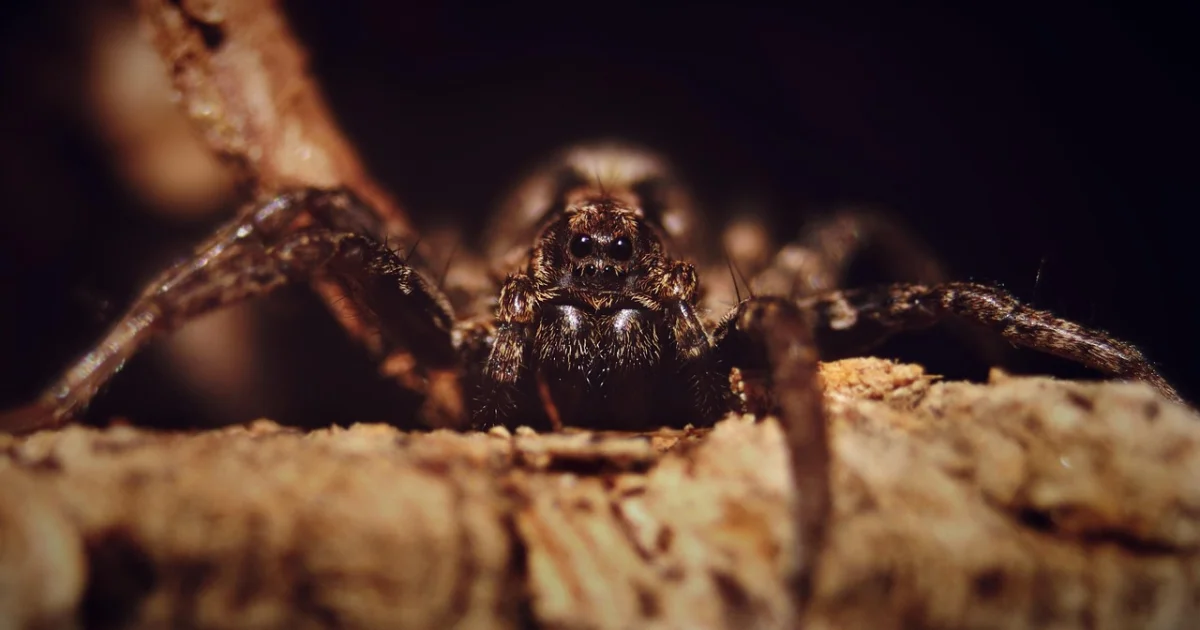
Brown recluses (Loxosceles reclusa) are a common type of spider, particularly in the Midwestern and Southern United States. Despite their common presence, they often remain hidden in dark, undisturbed areas – beneath furniture, in closets, and in woodpiles – making them a surprise discovery. Understanding their unique characteristics is the first step in managing any potential interaction. Contrary to popular belief, they aren’t aggressive and typically only bite when threatened or disturbed. Experts at the University of Kentucky Entomology emphasize that only about 10% of brown recluse bites result in significant tissue damage; the other 90% cause localized reactions that are manageable with proper care. These spiders are primarily insectivores, meaning they feed on other insects, not humans. Their six eyes, arranged in three pairs, are a key identifying feature, unlike the eight eyes found on most spiders. They also possess a distinctive violin-shaped marking on their cephalothorax – the fused head and thorax region – which is often the most recognizable characteristic. Importantly, they lack spines on their legs and have a uniformly brown color, contrasting sharply with many other spider species that feature stripes or spots.
Reader Scenarios: Facing a Brown Recluse Encounter
Let’s consider a few hypothetical situations to illustrate how to react effectively. Imagine you’re a parent, and you just discovered a brown recluse in your child’s bedroom. The immediate instinct might be to panic and immediately spray insecticide. However, that’s not the best approach. Instead, calmly assess the situation. Secure the area, contain the spider with a jar and paper, and then contact a professional pest control service. Or picture yourself a homeowner with a persistent brown recluse infestation in your yard. You’ve tried some DIY solutions, but the spiders keep returning. A comprehensive strategy involving habitat modification and potentially professional assistance is needed. Finally, consider a scenario where you’ve been bitten – but the symptoms are mild. Careful monitoring and basic first aid are paramount, but seeking medical advice is still advisable to rule out any complications.
Immediate Action: Safety First – Dealing with the Spider
Your initial reaction should be one of calm observation, not immediate action. Don’t attempt to swat or kill the spider if possible. Instead, observe it from a safe distance, noting its characteristics – the violin marking, the color, and the number of eyes. A crucial element of safety is preventing further encounters. The best way to handle a brown recluse is to contain it safely. Don’t touch it but observe it if you can. Place a jar over it, carefully sliding a piece of paper underneath to trap it. Then, flip the jar over so the spider falls inside. Secure the lid tightly. Another effective method involves using a container with a lid and a piece of cardboard to scoop up the spider. Once contained, you have several options for disposal. Adding a small amount of rubbing alcohol to the jar will quickly neutralize the spider. Alternatively, placing the entire jar in a freezer overnight will effectively kill the spider. Remember, wearing gloves throughout this process is essential to protect your hands.
Identifying the Bite: Recognizing the Signs
Determining whether a bite is actually from a brown recluse can be challenging, as many other insects and spiders can cause similar symptoms. The initial bite may be painless, or it might be mildly irritating. However, within 8-24 hours, a blister often forms at the bite site, which can then ulcerate and develop a necrotic (tissue-death) area. This necrotic region is a hallmark of a brown recluse bite, but it’s not present in all cases. The size of the necrosis can vary greatly, depending on the amount of venom injected, the individual’s immune response, and the location of the bite. Symptoms beyond the localized reaction can include fever, chills, nausea, and joint pain. It’s important to note that a bite is not always immediately noticeable; some individuals may not experience any symptoms for several days. If you suspect you’ve been bitten, take photos of the area, document the symptoms, and seek medical attention, especially if you experience severe pain, fever, or a spreading rash. A dermatologist can often differentiate a brown recluse bite from other types of bites based on the appearance of the lesion.
What if a Bite is Not Immediately Noticeable?
Delayed reactions are unfortunately common with brown recluse bites. Because the venom’s effects can vary greatly depending on the individual and the bite’s location, it’s crucial to monitor the area closely for several days, even if initial symptoms are minimal. Look for any signs of redness, swelling, blistering, or pain. If you notice any of these symptoms developing, consult a healthcare professional promptly. Early intervention can help prevent the condition from worsening and reduce the need for more aggressive treatment. Keeping the area clean and covered can also help prevent secondary infections. If you are unable to identify the cause, it’s always best to err on the side of caution and seek medical advice.
Determining if a Bite is Actually from a Brown Recluse
Accurately identifying the spider responsible for a bite can be difficult, requiring careful observation and potentially expert analysis. While the violin marking is a distinctive feature, it’s not always present or clearly defined. Furthermore, other spiders can mimic the appearance of brown recluses, leading to misdiagnosis. A veterinary dermatologist or a forensic entomologist specializing in spider identification can often provide a definitive diagnosis based on the bite pattern, lesion characteristics, and microscopic examination of tissue samples. Trying to capture and identify the spider is helpful, but it’s not always possible or safe. Focusing on proper first aid and medical care is more important than attempting to capture the spider for identification. Consider taking photographs of the bite area to show your healthcare provider.
Why Does the Severity of a Bite Vary So Much?
The severity of a brown recluse bite varies significantly from person to person, even when bites occur at the same location and time. Several factors contribute to this variability, including the amount of venom injected, the individual’s immune response, and the location of the bite. Some spiders inject a larger amount of venom than others, and the amount of venom injected can vary depending on the spider’s size and the force of the bite. Furthermore, individuals with compromised immune systems may be more susceptible to severe reactions. The location of the bite also plays a role, as bites on areas with poorer circulation, such as the extremities, tend to result in more severe tissue damage. Age and overall health can also influence the severity of the reaction. Children and elderly individuals may be more vulnerable to complications. Research is ongoing to better understand the factors that contribute to variability in bite severity, but it’s important to recognize that there’s no one-size-fits-all response to a brown recluse bite.
What if I’m Bitten and Experience Severe Symptoms?
If you experience severe symptoms following a suspected brown recluse bite, such as difficulty breathing, dizziness, fever, chills, or a spreading rash, seek immediate medical attention. Call 911 or go to the nearest emergency room. Inform the healthcare professionals that you suspect a brown recluse bite and provide them with any available information about the spider. Treatment may include intravenous fluids, pain medication, antibiotics to prevent infection, and wound care. In rare cases, surgery may be necessary to remove necrotic tissue. It’s important to follow your healthcare provider’s instructions carefully and complete the prescribed course of treatment.
Prevention is Key: Reducing the Risk of Brown Recluse Encounters
While it’s impossible to eliminate the risk of encountering brown recluses entirely, several steps can be taken to reduce the likelihood of an encounter and minimize the potential for a bite. These include sealing cracks and crevices in your home’s foundation, using weather stripping around doors and windows, and installing screens on windows and doors. Regularly clean and declutter your home, removing piles of wood, rocks, and debris that can provide shelter for spiders. Keep your yard tidy by trimming shrubs and weeds, and removing leaf litter. Consider landscaping with plants that are less attractive to spiders. Control insect populations in your yard, as brown recluses feed on insects. Wear gloves and long sleeves when working in areas where brown recluses are likely to be found, such as woodpiles or sheds. Be mindful of where you place boxes and furniture, avoiding placing them in dark, undisturbed areas.
You may also enjoy reading: 11 Surprising Ways Gardeners Are Using Aluminum Foil in Their Gardens.
Pest Control Strategies: Professional Help When Needed
For persistent brown recluse infestations, professional pest control services are often the most effective solution. Licensed pest control technicians have the knowledge, experience, and equipment to safely and effectively eliminate spiders and their habitats. They can identify the spider species, assess the extent of the infestation, and develop a customized treatment plan. Integrated pest management (IPM) techniques, which combine preventative measures with targeted treatments, are often used to minimize pesticide use and maximize effectiveness. When hiring a pest control service, be sure to choose a reputable company with experienced technicians and environmentally responsible practices. Don’t hesitate to ask about their treatment methods and safety precautions.
Outdoor Landscaping and Habitat Reduction
Creating a less hospitable environment for brown recluses in your yard can significantly reduce the risk of encounters. This involves modifying your landscaping to eliminate potential hiding places and food sources. Remove leaf litter, brush piles, and other debris that provide shelter for spiders. Trim shrubs and weeds to reduce their density and create more open space. Consider using gravel or mulch in areas where spiders are likely to hide. Avoid creating dense thickets or areas with lots of shade, as these areas are more attractive to spiders. Proper drainage can also help reduce the risk of spider infestations, as spiders prefer damp environments. Regularly inspect your yard for potential entry points, such as cracks in your foundation or gaps in your fencing, and seal them up to prevent spiders from entering your home.
First Aid for Insect Bites and Stings (General – Not Specific to Recluse Bites)
While this article focuses specifically on brown recluse bites, it’s important to have a general understanding of first aid for insect bites and stings. The immediate steps for treating any insect bite or sting include washing the area with soap and water, applying a cold compress to reduce swelling and pain, and taking an over-the-counter antihistamine to relieve itching. For more severe reactions, such as allergic reactions, seek immediate medical attention. Symptoms of an allergic reaction include hives, swelling, difficulty breathing, and dizziness. If you experience any of these symptoms, use an epinephrine auto-injector (EpiPen) if you have one and call 911 immediately.
Spider Identification Guides (General)
Many online resources and field guides provide detailed information about spider identification. However, it’s important to note that accurately identifying a spider species can be challenging, even for experienced entomologists. When identifying a spider, pay attention to its size, shape, color, markings, and behavior. Use photographs and illustrations to compare the spider to known species. Consider consulting with a local entomologist or spider expert for assistance with identification. There are many helpful resources available online, including websites of universities and museums, and apps that can help you identify spiders based on photographs.
Home Maintenance and Preventative Measures
Regular home maintenance and preventative measures can help reduce the risk of encountering brown recluses and other pests. This includes sealing cracks and crevices in your foundation, using weather stripping around doors and windows, installing screens on windows and doors, and keeping your yard tidy. Regularly inspect your home for potential entry points and seal them up to prevent pests from entering. Clean and declutter your home regularly to remove potential food sources and hiding places for pests. Use insect repellent to deter pests from entering your home. Consider installing pest control systems, such as rodent traps or insect screens, to further protect your home.
Conclusion
Discovering a brown recluse spider in or near your home can be a startling experience, but by understanding their characteristics, taking appropriate safety precautions, and implementing preventative measures, you can minimize the risk of a bite and protect yourself and your family. Remember that proper identification is crucial, and when in doubt, seek professional help. Staying calm, observing the spider carefully, and taking swift action are key to managing any potential encounter.