The satisfying scent of glue, the colorful chaos of fabric scraps, the quiet focus of a needle and thread – for many of us, the craft room is more than just a space; it’s a sanctuary, a creative hub, and a vital part of our well-being. But let’s be honest, a cluttered craft room can quickly stifle that inspiration. If you’re a crafter, looking for craft room organization ideas, or simply want to create a functional yet welcoming workspace, you’ve come to the right place. Let’s explore how to maximize your space, streamline your supplies, and cultivate a craft room that you truly love.
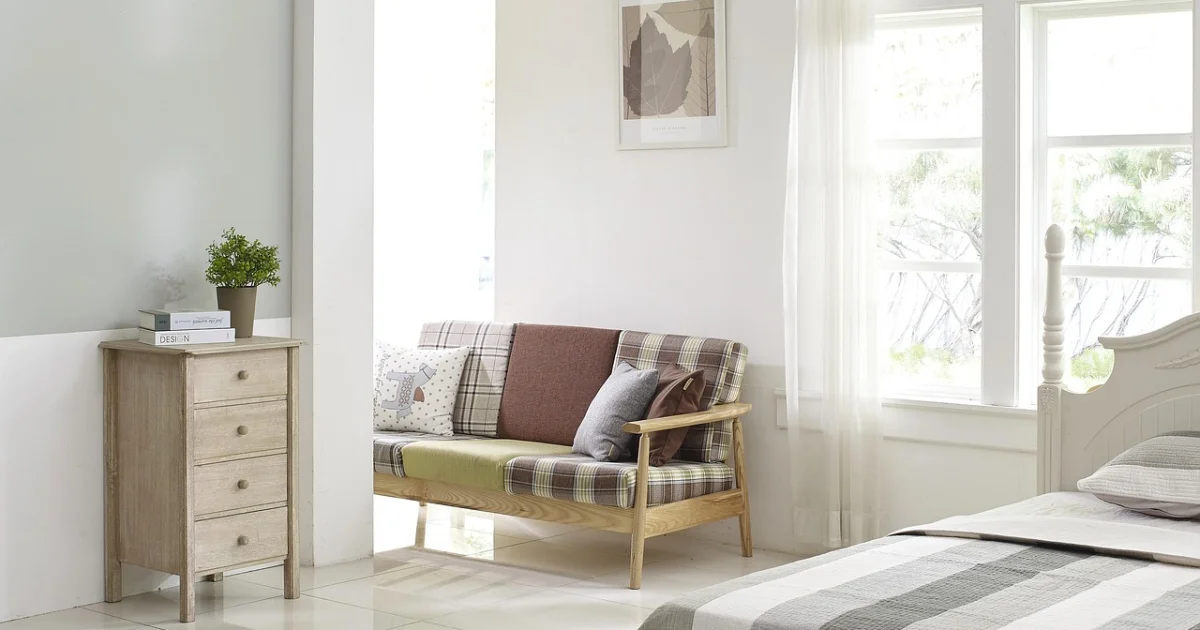
Creating the perfect craft room isn’t about adhering to a rigid design; it’s about crafting a space that works for you and your specific creative pursuits. Whether you’re a seasoned quilter, a passionate paper artist, or a budding pottery enthusiast, a well-organized craft room can make all the difference in your crafting enjoyment. Let’s get started!
1. The Foundation: A DIY Craft Room Work Table
The cornerstone of any functional craft room is a robust and accessible work table. Forget flimsy folding tables – investing in a dedicated surface is a game-changer. The ideal setup is an island work table, strategically placed in the center of the room to allow access from all sides. This maximizes your workspace and reduces the need to constantly move materials. If you’re on a budget, you can absolutely build your own. A surprisingly affordable solution is to combine a hand-me-down piece of furniture – perhaps a sturdy dresser or a repurposed bookshelf – with an inexpensive hollow core door from a home improvement store. The door provides ample surface area and can even be customized with paint or contact paper to match your decor. Think about adding casters for easy movement and storage underneath for frequently used tools and supplies. The key is functionality and adaptability – a DIY craft room work table should be able to accommodate a wide range of projects.
2. Tiny Treasures: Cache Pots for Tool Organization
Small tools – pens, markers, paintbrushes, scissors – can quickly become a chaotic jumble. A simple, cost-effective solution is to create miniature storage containers using tin cans and decorative paper scraps. These “Cache Pots,” as they’re affectionately known in crafting circles, offer a charming and functional way to corral your smaller supplies. Simply cut circles of decorative paper to fit the tin cans, gluing them in place to create a vibrant and visually appealing storage solution. You can even get creative with the paper – use patterned scrapbook paper, watercolor washes, or fabric scraps for a truly personalized touch. These little pots not only organize your tools but also add a touch of handmade charm to your craft room.
3. Multi-Craft Zones: Designing for Diverse Projects
If you engage in a variety of crafts – sewing, paper crafting, jewelry making, painting – a single, sprawling workspace simply won’t cut it. The secret to a truly organized craft room is to establish distinct workstations, each dedicated to a specific craft type. For example, one area could be designated for sewing, complete with a comfortable chair, a sewing machine, and ample storage for fabric and notions. Another zone could be dedicated to paper crafting, featuring a cutting mat, a crafting station for Cricut tools and rolls of vinyl, and storage for paper, embellishments, and adhesives. A third area could be set up for decorative painting – with a table for mixing paints, brushes, and a space for drying finished pieces. Prioritize flow and accessibility – ensure that you can easily move between workstations without creating clutter or obstacles. Consider the square footage of your room and tailor your workstation design to fit your specific needs.
4. Armoire Armor: Vintage Storage Solutions
Don’t underestimate the power of a well-utilized vintage armoire or craft closet. These pieces offer a fantastic combination of storage and visual appeal. A painted vintage armoire can instantly become a focal point in your craft room, adding a touch of character and history. Inside, you can create a highly organized system, categorizing supplies by type – paints, spray paint, beads, buttons, yarn, fabric, etc. – using shelves, drawers, and dividers. Adjustable shelves are a must-have, allowing you to customize the interior to accommodate your changing needs. Consider adding small drawer units or clear plastic bins to further organize smaller items. A ribbon memo board can be hung on the inside of the cabinet door, keeping your most frequently used ribbons within easy reach. The possibilities are endless – a vintage armoire can be transformed into a stunning and highly functional storage solution.
5. Wall Wonders: Maximizing Vertical Space
Wall storage is an absolute game-changer for small craft rooms. Instead of relying solely on floor space, utilize the vertical space to keep your supplies organized and out of the way. Consider installing pegboard hooks and accessories to hang tools, scissors, paintbrushes, and small supplies. This creates a visually appealing and highly functional display. A Wall Mounted Gift Wrap Holder Organizer prevents wrinkled wrapping paper from taking over a corner. A Wall Mounted Ribbon Holder stores rolls of ribbon, keeping them neatly arranged and easily accessible. Beyond pegboard, explore other wall-mounted solutions, such as floating shelves, magnetic boards, and wire baskets. The key is to think vertically and utilize every inch of wall space available.
6. Ribbon Rolling and Storage – A Stylish Solution
Ribbon can quickly consume a significant amount of space, especially if you’re a crafter who loves to embellish with fabric. A simple and effective solution is to invest in a spring-style curtain rod and use it to hold rolls of ribbon. This not only keeps your ribbon neatly organized but also adds a touch of visual interest to your craft room. You can also utilize drawer units or clear plastic bins to hold skeins of yarn or folded sections of fabric. These methods provide a great way to keep your supplies organized and easy to find.
7. Basket Brilliance: Containing the Chaos
Baskets and plastic drawer organizers are your best friends when it comes to storing small, loose items. From buttons and beads to embellishments and scraps, these containers help to contain the chaos and keep your craft room looking tidy. Choose baskets that complement your decor and stack them neatly on shelves or under your work table. Clear plastic bins are also a great option, as they allow you to easily see what’s inside without having to rummage through them.
8. Light It Up: Illuminating Your Creativity
Proper lighting is crucial for any craft room. Natural light is ideal, but if that’s not an option, invest in a combination of overhead lighting and task lighting. Task lighting, such as a desk lamp or under-cabinet lights, provides focused illumination for your work area. Consider using LED lights, which are energy-efficient and long-lasting. Adding a few string lights or fairy lights can also create a warm and inviting atmosphere in your craft room.
9. Color Coding for Clarity
Color coding is a surprisingly effective way to organize your craft supplies. Assign a specific color to each category of supplies – paints, beads, fabric, yarn, etc. – and use colored bins, baskets, or labels to keep everything organized. This not only makes it easier to find what you need but also adds a touch of visual interest to your craft room.
10. Rolling Cart Magic
A rolling cart is a versatile storage solution that can be easily moved around your craft room. Use it to store frequently used supplies, such as scissors, glue, tape, and measuring tools. You can also use it to transport your supplies to different workstations. Choose a cart with multiple shelves and drawers to maximize storage capacity.
11. Magnetic Boards – A Hidden Gem
A magnetic board is a fantastic way to store small metal tools, such as paper clips, push pins, and small scissors. It’s a space-saving solution that keeps your tools organized and within easy reach. You can also use a magnetic board to display photos, inspirational quotes, or project timelines.
12. Fabric Storage Solutions – Beyond the Basket
Fabric scraps and rolls of fabric can quickly take over a craft room. Invest in fabric storage solutions, such as rolling carts or clear plastic bins with dividers. This will help you keep your fabric organized and prevent it from becoming a tangled mess.
13. Label Everything – Seriously!
Labeling is key to maintaining an organized craft room. Label all your bins, baskets, shelves, and drawers so you know exactly what’s inside. Use a label maker or simply write labels by hand. Consistency is key – use the same labeling system throughout your craft room.
14. Digital Organization – Taming the Paper Beast
If you’re a digital crafter, invest in a good file management system to keep your patterns, tutorials, and project photos organized. Use folders and subfolders to categorize your files and create a consistent naming convention. Regularly back up your digital files to prevent data loss.
15. The “Everything in its Place” Philosophy
This is the golden rule of organization. Make a habit of putting everything back in its place after you’re finished using it. This will prevent clutter from building up and keep your craft room looking tidy.
16. Regular Purges – Decluttering is Key
Schedule regular purges of your craft supplies. Get rid of anything you no longer need or use. Donate or sell unwanted items to make room for new supplies. A cluttered craft room can stifle creativity, so it’s important to regularly declutter your space.
17. Create a Command Center
Designate a specific area in your craft room as a command center. This is where you’ll keep your essential tools, supplies, and project plans. A bulletin board or whiteboard can be helpful for keeping track of deadlines and to-do lists.
18. Utilize Wall Hooks for Tools
Hang tools, scissors, and other frequently used items on wall hooks. This will free up valuable workspace and keep your tools within easy reach. Consider using a pegboard for a more versatile and customizable option.
You may also enjoy reading: "5 Reasons Fabric Grow Bags Outshine Traditional Containers for Potted Tomatoes".
19. Under-Table Storage – Don’t Waste the Space
Maximize storage space under your work table. Use drawers, shelves, or bins to store supplies you use frequently. A rolling cart can also be used for under-table storage.
20. Prioritize Your Most Used Supplies
Keep your most frequently used supplies within easy reach. Store them in baskets or bins that are located on your work table or nearby. This will save you time and frustration when you’re in the middle of a project.
21. Embrace the ‘Just-in-Time’ Approach
Instead of keeping a huge stockpile of supplies, only buy what you need for your current projects. This will help to prevent clutter and keep your craft room feeling organized.
22. Designated Inspiration Wall
Create an inspiration wall to display fabric swatches, color palettes, and images of projects you’d like to create. This will help to keep your creative ideas flowing and inspire you to try new things. A corkboard or magnetic board works well for this purpose.
23. Small Space Solutions – Think Vertical
If you’re working with a small craft room, focus on maximizing vertical space. Install shelves that reach the ceiling and use wall-mounted organizers to keep supplies off the floor.
24. Multi-Functional Furniture – A Smart Investment
Invest in multi-functional furniture, such as a storage ottoman or a rolling cart that can be used as a table. This will help you maximize space and create a more functional craft room.
25. Clear Containers – See What You Have
Use clear containers to store your supplies. This will allow you to easily see what you have and prevent you from buying duplicates.
26. DIY Fabric Storage – Save Money & Style
Create your own fabric storage solutions using repurposed materials, such as old boxes or jars. Adding a decorative element will help create a cohesive look in your craft room.
27. Rolling Island – Flexibility is Key
Consider a rolling island work table. This offers the benefits of a traditional island table with the added flexibility to move it around your room as needed.
28. The Power of a Clean Surface
A clean work surface is essential for creativity. Regularly wipe down your work table and surrounding areas to prevent dust and debris from accumulating.
29. Dedicated Project Zone
Create a dedicated zone for specific projects. This could be a space for quilting, a corner for jewelry making, or an area for painting. Having a designated area for each project will help you stay organized and focused.
30. Digital Inventory – Track Your Supplies
Use a spreadsheet or inventory app to track your craft supplies. This will help you keep track of what you have, what you need, and when you need to restock.
31. Personalize Your Space – Make it Yours!
Finally, personalize your craft room to reflect your individual style and interests. Add artwork, plants, or other decorative items that you love. Your craft room should be a space where you feel inspired, comfortable, and productive. It’s your creative sanctuary!