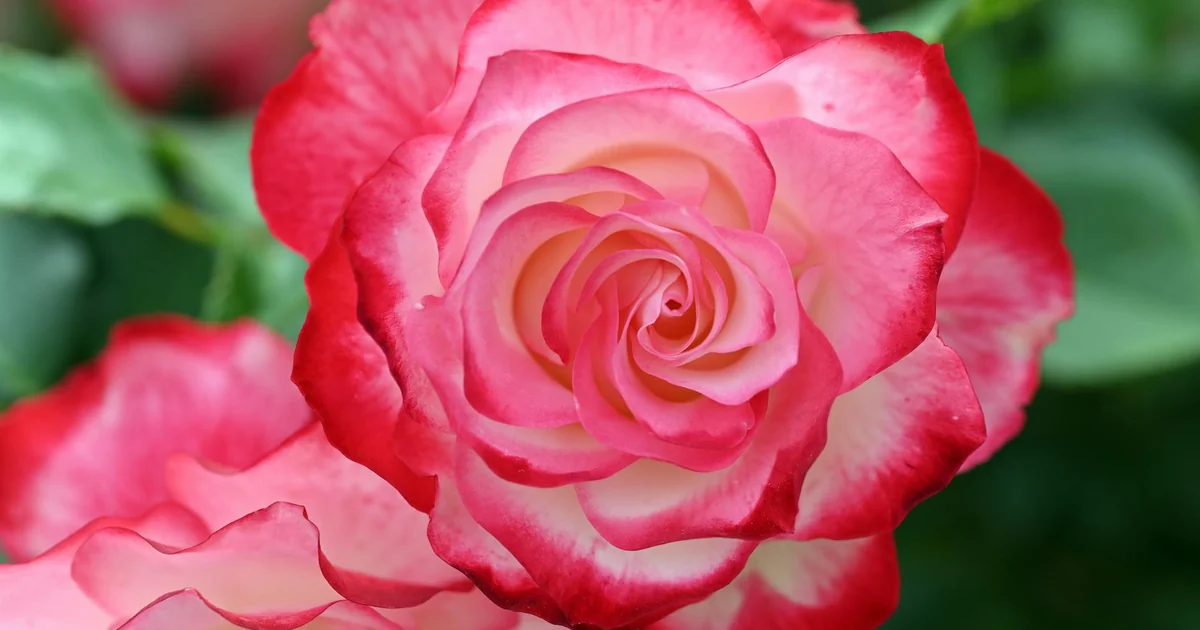
There is something undeniably special about the classic hybrid tea rose. Its tightly coiled central bud and gracefully unfurling petals have defined the very image of a cut flower for generations. When it comes to growing hybrid tea roses, the process requires patience and attention, but the payoff is a steady supply of elegant blooms that few other garden plants can match. Whether you are a seasoned rose enthusiast or a curious beginner, understanding the specific needs of this historic rose class makes all the difference between a struggling plant and a thriving one.
Understanding Hybrid Tea Roses: A Brief History and Characteristics
The hybrid tea rose is one of the oldest recognized classes of roses, with its origins tracing back to 1867. That year, a French breeder named Jean-Baptiste Guillot introduced a cultivar called ‘La France’, which he created by crossing a tea rose with a hybrid perpetual rose. This combination produced a plant with the repeat-flowering habit of the hybrid perpetual and the elegant bud shape of the tea rose. The class truly captured the public’s imagination, however, with the introduction of the ‘Peace’ rose in 1945. Branded at the end of World War II, ‘Peace’ personified the ideal hybrid tea: strong stems, large blooms, and a subtle fragrance. It remains widely available today, along with many of its descendants.
Hybrid tea roses are the standard for cut flower production. They produce quick-growing, upright stems that typically carry a single bloom per stem. The foliage is relatively sparse compared to shrub roses, which gives the plants a somewhat leggy appearance in the garden. This characteristic, while not the most ornamental in a landscape setting, actually allows them to blend well with perennial companions. The genus name is Rosa x hybrida, and most varieties are winter-hardy to USDA zone 5. However, they are sensitive to rapid temperature fluctuations during winter, which can cause damage or even kill the plant if not protected.
Where to Plant Hybrid Tea Roses
Selecting the right location is the first critical step for success. Hybrid tea roses demand full sun, meaning at least four to six hours of direct sunlight each day. Less light results in poor-quality blooms, weaker stems that flop over, and a higher risk of foliar diseases like black spot. Avoid spots that receive harsh afternoon sun in very hot climates, as this can scorch the leaves. A site with morning sun and light afternoon shade often works well.
Soil quality matters just as much. The ground must be well-drained, rich in organic matter, and slightly acidic, with a pH between 6.0 and 6.5. If your native soil is heavy clay or sandy, amend it with compost or well-rotted manure before planting. Good air circulation is essential to prevent fungal infections. Space hybrid tea roses 30 to 36 inches apart, and keep neighboring plants pruned so vegetation does not become dense. Also, choose a spot protected from strong winds, which can damage the tall stems and desiccate the foliage.
How to Plant Hybrid Tea Roses
Planting methods differ slightly depending on whether you purchase a potted rose or a bare-root specimen. Potted hybrid tea roses can be planted at any time during the growing season, but planting while the plant is dormant yields the best establishment. In cold climates, autumn planting is ideal; in mild-winter regions where the ground does not freeze, you can plant from autumn through early spring. Bare-root roses are typically sold in late winter or early spring and should be planted as soon as the soil is workable.
Dig a hole wide enough to accommodate the roots without crowding. Depth is crucial: the graft union, which looks like a bulging knob near the base of the plant, should be buried 1 to 2 inches below the soil surface in northern climates. In warmer zones, position the graft union just above the soil line. Create a small mound of soil in the center of the hole, spread the roots over it, and backfill with a mixture of the original soil and a few handfuls of compost. Gently firm the soil to eliminate air pockets, then water the base thoroughly. After watering, check the graft union depth and adjust if necessary.
Spacing and Initial Care
Proper spacing between plants is 30 to 36 inches. This distance allows each rose to receive adequate sunlight and airflow. After planting, apply a 2- to 3-inch layer of organic mulch around the base, keeping it a few inches away from the stem to prevent rot. Water deeply once a week if rainfall is insufficient, and monitor the soil moisture regularly during the first growing season.
Essential Care for Growing Hybrid Tea Roses
Once established, hybrid tea roses require consistent attention throughout the year. Their care routine revolves around light, water, nutrients, pruning, and disease management.
Light Requirements
Full sun is non-negotiable. A minimum of six hours of direct sunlight produces the best stem length and flower quality. If you notice sparse foliage or weak stems, consider whether nearby trees or structures have created shade. In such cases, transplanting to a sunnier spot may be necessary.
Soil and Watering
Rich, well-drained soil with a pH of 6.0 to 6.5 is ideal. In the absence of rain, water slowly and deeply at the base of the plant, aiming for about 1 inch of water per week. Avoid overhead watering, which wets the foliage and encourages powdery mildew and black spot. Drip irrigation or soaker hoses work best. Hybrid tea roses struggle in dry conditions, and the first sign of stress is often reduced bloom size or bud drop.
Temperature and Humidity
Although hardy to zone 5, hybrid tea roses are vulnerable to winter injury from sudden temperature swings. A warm spell in January followed by a deep freeze can damage the graft union or kill the canes. In colder regions, mound soil or mulch around the base of the plant after the first hard frost, or use rose cones for extra protection. In humid climates, choose varieties bred for resistance to powdery mildew and black spot. High humidity creates a breeding ground for these diseases, so good air circulation is vital.
Fertilizing
Roses are heavy feeders. Apply a balanced rose fertilizer (such as a 10-10-10 formula) in early spring as new growth appears, then again after each flush of blooms. Stop fertilizing about six weeks before the first expected frost to allow the plant to harden off for winter. Organic options like fish emulsion or compost tea also work well. Over-fertilizing can lead to lush foliage at the expense of flowers, so follow package instructions carefully.
Pruning
Pruning is best done in late winter or early spring, just before the plant breaks dormancy. Remove any dead, diseased, or crossing canes. Cut back the remaining healthy canes to about 4 to 6 buds from the base, making cuts at a 45-degree angle about a quarter inch above an outward-facing bud. This encourages an open, vase-shaped structure that maximizes airflow. Also remove any thin or weak growth. During the growing season, deadhead spent blooms by cutting the stem back to a leaflet with five leaves to promote repeat flowering.
You may also enjoy reading: 7 Low-Maintenance Shade Perennials That Thrive in Dark.
Disease and Pest Monitoring
Regular inspection is key. Common problems include black spot (dark spots on leaves), powdery mildew (white powdery coating), and aphids (small green insects on buds). Treat black spot by removing affected leaves and applying a fungicide if necessary. Powdery mildew can be managed with sulfur-based sprays or by choosing resistant cultivars. Aphids can be hosed off with a strong stream of water or controlled with insecticidal soap. Catching issues early prevents them from spreading.
Common Challenges and Solutions
Even experienced gardeners encounter difficulties with hybrid tea roses. One frequent issue is winter damage in zones 5 and 6. A sudden warm spell followed by subzero temperatures can kill canes that have started to break dormancy. To mitigate this, delay pruning until late winter and provide winter protection as described earlier. Another challenge is powdery mildew in humid regions. Selecting resistant varieties like ‘Mr. Lincoln’ or ‘Peace’ reduces the risk, and ensuring adequate spacing helps keep foliage dry.
Poor bloom production often results from insufficient sunlight or improper pruning. If your rose produces many leaves but few flowers, check the light exposure and consider cutting back more aggressively during the dormant season. Also, remember that hybrid tea roses are bred for cut flowers, not necessarily for landscape beauty. They may look sparse in a border, but pairing them with low-growing perennials like lavender, catmint, or salvia fills the gaps and provides a lovely contrast.
Frequently Asked Questions About Growing Hybrid Tea Roses
How often should I water hybrid tea roses?
Water deeply once a week, providing about 1 inch of water. Increase frequency during hot, dry spells. Always water at the base to keep foliage dry.
When is the best time to plant bare-root hybrid tea roses?
Plant bare-root roses in late winter or early spring, as soon as the soil is workable and the plant is still dormant. In mild climates, autumn planting is also acceptable.
Why are the leaves on my hybrid tea rose turning yellow with black spots?
This is likely black spot, a common fungal disease. Remove affected leaves, improve air circulation, and apply a fungicide labeled for roses. Avoid overhead watering.
Do hybrid tea roses need to be pruned every year?
Yes, annual pruning in late winter is essential for maintaining shape, encouraging new growth, and maximizing flower production. Remove dead wood and cut back healthy canes to 4–6 buds.
Can hybrid tea roses grow in containers?
Yes, they can thrive in large containers (at least 18 inches in diameter) with drainage holes. Use a high-quality potting mix, water frequently, and fertilize regularly. In cold climates, move containers to a protected area or insulate them for winter.
With the right location, careful planting, and consistent care, growing hybrid tea roses becomes a deeply satisfying endeavor. Their iconic blooms reward every bit of effort, bringing elegance to your garden and your home long after they are cut.