Why Miniature Roses Deserve a Spot in Your Garden
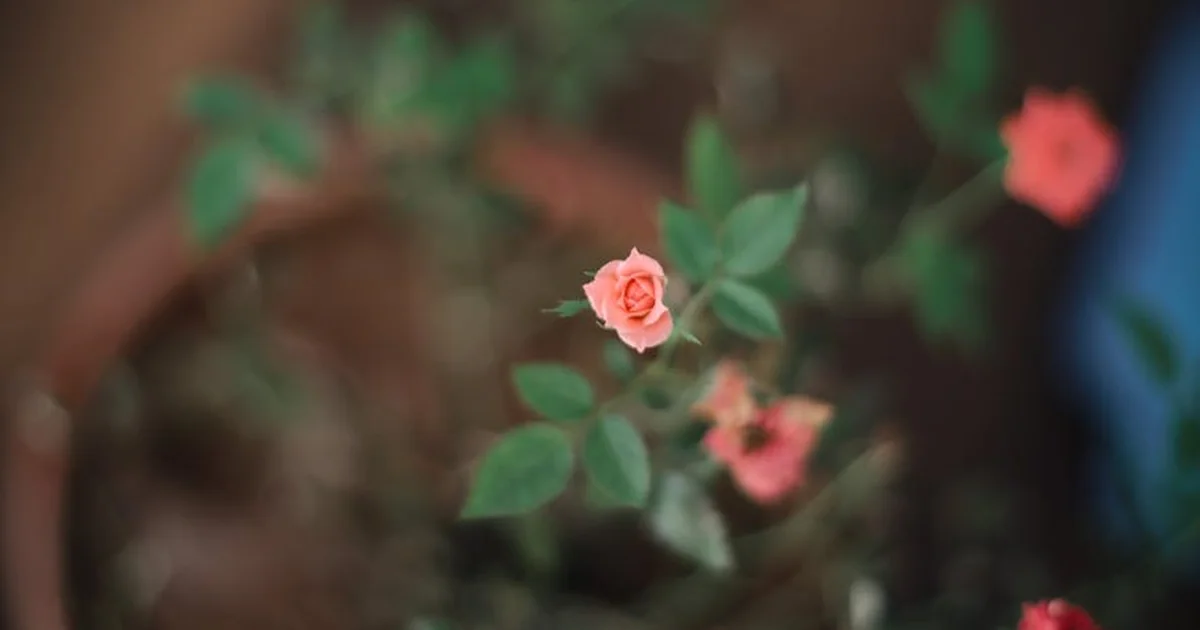
Miniature roses offer an unexpected answer for gardeners who think they lack space for rose bushes. These compact perennials, which emerged accidentally during rose hybridizing experiments in the 1930s, rarely exceed 2 feet in height. Yet they deliver the same lush blooms and fragrance as their full-sized cousins. The secret to success lies in understanding their specific needs. While they are not finicky plants, they do respond best to a handful of straightforward practices. Below, we break down five reliable methods that make growing miniature roses feel effortless, even for beginners.
1. Select a Sunny Spot With Rich, Fast-Draining Soil
The Light Requirement That Most People Underestimate
Sunlight is not a shade-loving plant. These petite shrubs demand at least six to eight hours of direct sunlight every single day to produce flowers repeatedly. In partial shade, they survive but become leggy and produce fewer buds. A south-facing bed or a west-facing patio container usually works best. If the light falls short, consider trimming nearby tree branches or relocating potted plants to a sunnier position.
Soil Composition Matters More Than You Think
Standard garden soil is often too heavy or too sandy for miniature roses. They prefer a loamy, nutrient-dense mix that drains swiftly. To improve native soil, blend in compost or aged manure at a ratio of about one part organic matter to three parts soil. For containers, use a premium potting mix formulated for roses or general flowering plants. Do not use garden soil in pots, as it compacts and suffocates roots.
A simple test helps: dig a hole 10 inches deep and fill it with water. If the water does not drain within 30 minutes, the spot is too wet. Amend the area with coarse sand or perlite, or choose a raised bed instead.
2. Plant at the Right Depth and Space Properly
Matching the Planting Depth to the Container Level
Dig a hole that matches the height of the nursery pot and about one foot wider. After removing the plant, gently loosen any encircling roots with your fingers. Place the root ball on a small mound of enriched soil so the crown sits at ground level. Backfill firmly but gently, then water thoroughly. A 2-inch layer of mulch around the base conserves moisture and keeps roots cool.
Spacing That Prevents Disease and Encourages Airflow
Crowding is a common mistake. Space miniature rose plants 12 to 24 inches apart, depending on the variety. Tighter spacing works for border edging, while wider gaps suit rock gardens or mixed perennial beds. Good airflow between plants reduces the risk of powdery mildew, a fungal issue that thrives in stagnant, humid conditions. Water always at the base using a soaker hose or drip irrigation to keep foliage dry.
3. Water Deeply but Infrequently
Why Shallow Sprinkling Hurts More Than It Helps
Miniature roses develop deep root systems when encouraged. Apply about 1 inch of water per week, delivered in one or two deep sessions rather than light daily sprinkles. Deep watering pushes moisture down to the root zone, promoting drought tolerance and stronger growth. For potted plants, water until liquid runs freely from the drainage holes, then let the top inch of soil dry before the next watering.
The Ideal Temperature Range for Steady Blooming
These roses perform best when daytime temperatures hover near 70°F. In hotter climates, afternoon shade can prevent stress and flower fading. During heat waves, increase watering frequency slightly, but always avoid wetting the leaves. If a freeze is predicted, move container plants indoors or protect outdoor plants by mounding soil around the base and topping it with a thick layer of mulch.
4. Feed Consistently and Prune With Purpose
A Fertilizer Schedule That Maximizes Bloom Cycles
Roses are heavy feeders. Start applying a balanced rose fertilizer in early spring as the first leaves appear. Repeat after each major flush of blooms. A typical schedule is every four to six weeks during the growing season. Stop feeding six to eight weeks before your area’s first expected frost. This allows the plant to harden off and enter dormancy naturally. Always follow the label instructions for the specific product you choose.
Pruning and Deadheading for Continuous Flowers
In late winter or early spring, remove any dead, diseased, or crossing canes. Shorten the remaining healthy canes by about one-third. This encourages compact growth and more flower buds. During the blooming season, deadhead spent flowers weekly by cutting just above the first five-leaflet leaf. This redirects energy into producing new blooms rather than seed hips.
One often-overlooked detail: use clean, sharp pruners. Dull blades crush stems, creating entry points for pests and diseases. Wipe blades with rubbing alcohol between plants to prevent spreading pathogens.
5. Provide Winter Protection in Colder Zones
Hardiness Zones and the Risks of Zone 5 and Below
Miniature roses are rated for USDA zones 4 through 11, but they need extra care where winters are severe. In zone 5 and colder, the crown may die back unless insulated. In late autumn, after the first hard freeze, pile 8 to 10 inches of loose soil over the base of the plant. Cover the mound with mulch or straw. In spring, remove the mound gradually as temperatures rise.
You may also enjoy reading: 7 Ways Banana Blossoms Are Taking Over Seafood.
Overwintering Potted Miniature Roses Indoors
Container-grown roses face even greater cold risk because roots are less insulated. Before the first frost, move pots into an unheated garage or basement where temperatures stay above freezing but below 45°F. Water sparingly during winter — once a month is often enough. Do not fertilize until spring. Some gardeners bring pots into a bright, cool room and continue minimal watering, but the plant will naturally shed leaves and rest.
Frequently Asked Questions About Growing Miniature Roses
Can I grow miniature roses indoors year-round?
Yes, but they require intense light. A south-facing windowsill that receives six hours of direct sun can work. Supplement with a grow light if necessary. Keep them away from drafts and heat vents, and provide good air circulation. Indoor plants often bloom less than outdoor ones because light intensity is lower.
Why are the leaves on my miniature rose turning yellow?
Yellowing foliage usually signals overwatering, underwatering, or nutrient deficiency. Check the soil moisture first. If it feels soggy, allow it to dry out before watering again. If it is bone-dry, soak thoroughly. If moisture is balanced, consider a mild dose of liquid fertilizer. Also inspect the undersides of leaves for spider mites, which can cause discoloration.
How often should I repot miniature roses?
Every one to two years, ideally in early spring. Choose a pot that is 2 to 3 inches wider than the current container. Use fresh potting mix and prune back about a third of the root mass if the plant is root-bound. Repotting refreshes the soil and gives roots room to expand.
Do miniature roses attract pests or diseases?
They can attract Japanese beetles, aphids, and spider mites, especially in hot, dry weather. A strong spray of water from a hose dislodges many pests. For persistent infestations, use insecticidal soap or neem oil, applied in the evening to avoid leaf burn. Powdery mildew appears in humid conditions — space plants widely and water at ground level, and prune for airflow.
Can I propagate miniature roses from cuttings?
Yes. Take 4-to-6-inch cuttings from healthy stems in late spring or early summer. Remove the lower leaves, dip the cut end in rooting hormone, and insert it into moistened perlite or a mix of peat and sand. Cover with a clear plastic bag to create humidity. Place in bright, indirect light. roots typically form in four to six weeks.
Growing miniature roses becomes far simpler when you treat them like compact versions of their larger relatives. They want sun, steady moisture, regular feeding, and a bit of winter care. In return, they deliver months of colorful, fragrant blooms that fit into any garden corner or container on a sunny patio.