The Plant-Based Wave That Smells Like the Sea
Imagine a home cook who loves seafood but has a family member with a soy allergy or a gluten intolerance. Preparing a satisfying fish dinner for everyone feels nearly impossible. Canned tuna and battered fish fillets are off the table for some. Then, they discover a purple flower that flakes just like cooked white fish. This is the quiet revolution of plant-based seafood, and it smells surprisingly briny.

Amazon US Verified
ThermoPro Instant-Read Digital Meat Thermometer
Ultra-fast 3-second temperature sensor ensuring perfect roasts and baked loaves.
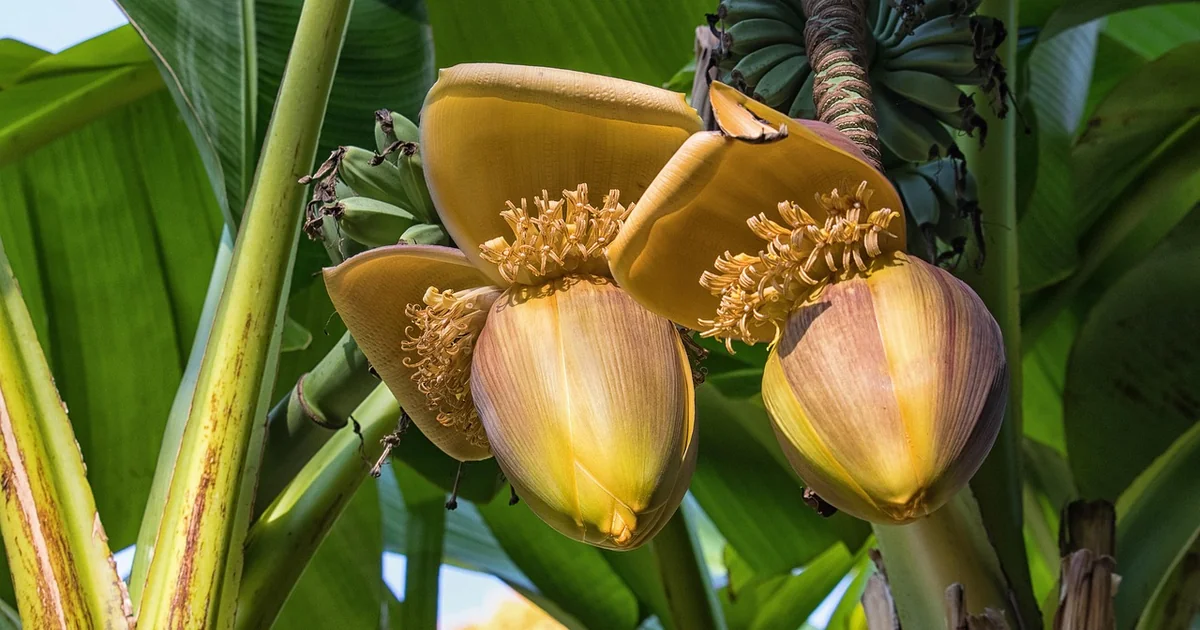
This ingredient, the banana blossom, is not a lab-created protein. It is a flower that grows at the end of a bunch of bananas. For centuries, cooks in Southeast Asia have used it in soups and salads. Now, it is catching the attention of grocery chains and vegan cooks everywhere. The banana blossom seafood movement is growing for good reasons.
1. The Uncanny Flake That Mimics Real Fish
The first surprise for many people is the texture. When you cook a banana blossom, the inner petals separate into thin, soft strands. These strands look and feel remarkably like cooked, flaked white fish such as cod or haddock. The similarity to jackfruit is helpful here. Just as jackfruit pulls apart to resemble shredded pork, the banana blossom pulls apart to resemble seafood.
Unlike some plant-based proteins that feel rubbery or dense, the blossom has a delicate, layered structure. It absorbs moisture well without becoming mushy. This flaky quality is the number one reason chefs choose it for vegan fish tacos, crab cakes, and even “fish” and chips. The texture alone makes banana blossom seafood dishes feel authentic on the plate.
2. A Neutral Canvas for Bold, Briny Flavors
Taste is where many meat alternatives fall short. Some have a strong beany or earthy aftertaste. Banana blossoms are different. Their flavor is almost blank. It is subtle, slightly vegetal, and mild enough to take on any seasoning you add.
This neutrality is a superpower for a cook. You can coat the blossoms in a batter seasoned with Old Bay and paprika for a spicy kick. Alternatively, you can soak them in a mixture of kelp powder and dissolved seaweed for a classic ocean taste. The blossom itself does not fight the seasoning. It acts like a sponge, holding the flavor of the broth, sauce, or marinade. For someone who misses the taste of the sea but not the environmental cost, this blank slate is invaluable.
3. The Environmental Case Against Overfishing
Overfishing is a pressing challenge for our oceans. According to the United Nations Food and Agriculture Organization, about 34% of global fish stocks are overexploited. This statistic is alarming for anyone who loves seafood. Finding a sustainable alternative is not just a trend; it is a necessity.
Banana blossoms offer a solution that does not deplete ocean resources. The banana plant is one of the most productive crops in the world. Farmers typically harvest the fruit and then discard the flower. By using the blossom, we are utilizing a byproduct of an existing agricultural process. Growing and processing the flower requires far less water and energy than fishing boats consume. For the environmentally conscious family, switching to banana blossom seafood is a small action with a positive ripple effect.
Addressing the Protein Question
One common concern is nutrition. The original context confirms that banana blossoms do not contain the same amount of protein as fish. A typical serving of cooked fish offers about 20 grams of protein. A similar serving of banana blossom provides around 2 to 3 grams. This is a real gap for those relying on it as a primary protein source.
The solution is to pair the blossom with other ingredients. Serve it with a side of lentils, quinoa, or chickpeas. Many vegan seafood brands blend the blossom with soy protein or pea protein to boost the nutritional profile. For a home cook, simply adding a tahini dressing or serving the blossoms over a bean salad solves the protein shortage. The ingredient is a fantastic base, not a complete nutritional package on its own.
4. Health Benefits: Minerals, Fiber, and Antioxidants
Beyond texture and taste, banana blossoms bring genuine nutritional value to the table. They are a good source of dietary fiber, which supports healthy digestion. A diet rich in fiber can help maintain stable blood sugar levels.
The blossoms also provide essential minerals. They contain iron, magnesium, and potassium. Iron helps carry oxygen in the blood, magnesium supports muscle function, and potassium regulates fluid balance. According to research published in the journal Food Science and Biotechnology, banana blossom extracts demonstrate antioxidant activity. Antioxidants help protect the body’s cells from damage caused by free radicals.
Furthermore, the blossoms are naturally soy-free and gluten-free. This makes them an excellent choice for individuals with celiac disease, gluten sensitivity, or a soy allergy. Many commercial vegan fish products rely on soy or wheat gluten. The banana blossom offers a safe alternative for those families.
5. Where to Find Them and How to Prepare Them
Finding fresh banana blossoms can be tricky if you do not live near a tropical region or a well-stocked Asian grocery store. Fresh blossoms are very perishable. If you buy one, use it within three days.
The most convenient form is preserved in brine. Brands like Upton’s Naturals sell them in pouches or cans. You can find them in the natural foods section of stores like Whole Foods Market, which predicted this trend as one of its top plant-based movements. You can also order them online or find them in cans at local Asian markets. The canned version is ready to use. You just rinse it to remove the saltiness and squeeze out the excess water.
You may also enjoy reading: How to Plant and Grow Wintergreen: 5 Tips.
Preparation is straightforward. Crumble the petals gently with your fingers to create the flaky texture. Then, toss them with your chosen seasoning. For a classic “fish” and chips experience, dip the flaked blossoms in a beer batter and deep-fry them until golden. The result is crispy on the outside and tender on the inside, just like a proper fish fry.
6. A Star in Global Recipes and Salads
The versatility of banana blossoms extends far beyond batter. In Thailand, the blossoms are often sliced thin and added to a spicy, tangy salad called yum hua plee. You can replicate this at home by combining fried banana blossoms with shredded green papaya, lime juice, chili, and crushed peanuts. The crispiness of the fried flower against the sour dressing is a delightful contrast.
Another popular application is in vegan “tuna” salad. Simply flake the rinsed blossoms, mix them with vegan mayonnaise, chopped celery, diced onions, and a squeeze of lemon juice. The texture is shockingly close to canned tuna. Serve it on toast or in a lettuce wrap. The blossoms also work well in curries. They soak up the coconut milk and spices, providing body and texture that mimics poached fish chunks.
7. Comparison to Jackfruit and Other Alternatives
Many readers are familiar with young jackfruit as a pork substitute. So how does the banana blossom compare? Jackfruit has a firmer, more fibrous texture that works well with barbecue sauce. Banana blossoms are softer and more delicate. They break apart more easily, which is ideal for simulating the flake of fish.
Another competitor is hearts of palm. This vegetable has a solid, cylindrical shape that resembles crab meat or scallops when sliced. Banana blossoms are better for shredded or flaked applications. Seaweed or kelp is often used to add flavor but lacks the bulky texture of fish.
Banana blossoms hold a unique place. They provide the structure and mouthfeel of cooked fish without a heavy, chewy bite. For a home cook trying to recreate a classic fish stew or a plate of fried fish, the blossom is the closest match available. It is not just a substitute. It is a distinct ingredient with its own culinary strengths.
Making the Switch in Your Kitchen
The transition to cooking with banana blossoms is simple. Start with a basic recipe like the fried fish and chips. Drain a can of blossoms, rinse them, and squeeze out the liquid. Mix them with a batter of flour, baking powder, salt, and cold sparkling water. Fry in hot oil for about three minutes per side.
Amazon US Verified
Silpat Non-Stick Silicone Baking Mats (2-Pack)
Professional heat-resistant mats eliminating parchment paper and sticky baking trays.
For a lighter meal, skip the batter. Sauté the flaked blossoms with garlic, ginger, and a splash of soy sauce. Add a sheet of crumbled nori for a sea-like aroma. Serve over a bowl of steamed rice with a side of steamed greens. This quick dish takes less than fifteen minutes from start to finish.
Try using the blossoms in a classic chowder. Sauté onions and celery, add vegetable broth, diced potatoes, and the flaked blossoms. Simmer until the potatoes are tender. Stir in a can of coconut milk and a pinch of dill. The result is a creamy, satisfying bowl that tastes like comfort food from the coast.
Banana blossoms are not a fleeting internet fad. They are a traditional ingredient solving a modern problem. They offer texture, nutrition, and sustainability all in one simple flower. Whether you are vegan, vegetarian, or just looking to reduce your carbon footprint, this ingredient deserves a permanent spot in your pantry. Give it a try. Your dinner plate might look different, but it will taste just as familiar.
As an Amazon Associate, azuloz.com earns from qualifying purchases.