You flush, walk away, and then you hear it—that faint, steady trickle. A few minutes later, the toilet runs again without anyone touching the handle. That sound is more than an annoyance. It signals wasted water, a higher monthly bill, and a problem that usually has a simple fix. When a toilet keeps running, most homeowners can solve it themselves without calling a plumber or buying a new fixture. The key is knowing which part is failing. Below are five common causes and the step-by-step repairs that will silence that endless flow.
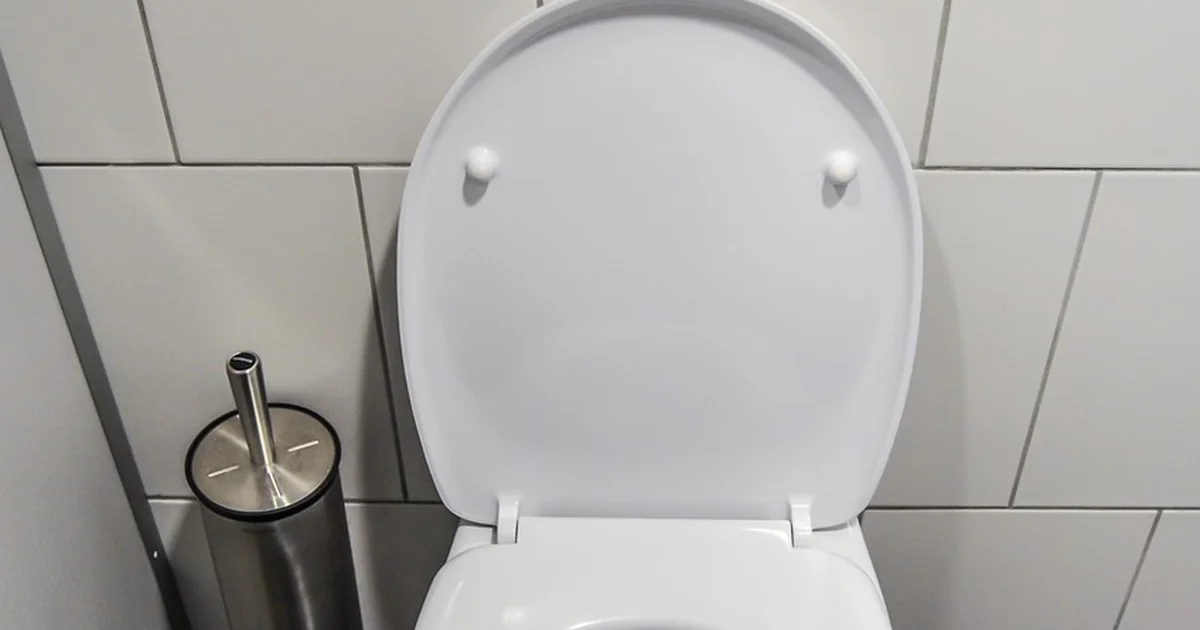
5 Common Causes of a Running Toilet
Before you start, turn off the water supply to the toilet. The shut-off valve is usually on the wall behind the toilet, near the floor. Turn it clockwise until it stops. Then flush the toilet to drain the tank. This gives you a safe, dry workspace. Now let’s look at the five most likely reasons your toilet keeps running.
1. Water Level Too High (Overflow Tube Issue)
The overflow tube is a vertical pipe inside the tank. Its job is to prevent the tank from flooding if the fill valve fails. But if the water level rises above the top of this tube, water trickles down into the bowl continuously. That constant drip is a classic sign the water level is set too high.
To check, remove the tank lid and look at the water line. It should sit about 1 inch below the top of the overflow tube. If it’s higher, you need to lower it. The adjustment method depends on your fill valve type.
Adjusting a float rod (older toilets): A float rod is a metal arm attached to a ball float. Gently bend the rod downward. This lowers the float and stops water earlier. Use pliers if needed, but be careful not to break the rod.
Adjusting a float cup (newer toilets): A float cup is a plastic cylinder that slides up and down the fill valve. Look for a plastic screw or a clip on the side. Turn the screw counterclockwise with a screwdriver, or pinch the clip and slide the cup down. Flush the toilet after each adjustment until the water stops flowing into the overflow tube.
According to the Environmental Protection Agency, a toilet that runs constantly can waste up to 200 gallons of water per day. That’s roughly 6,000 gallons per month—enough to fill a small swimming pool. Adjusting the float is often the fastest fix.
2. Worn or Dirty Flapper
The flapper is a rubber valve at the bottom of the tank. It lifts when you flush, allowing water to rush into the bowl. Then it drops back down to seal the opening. If the flapper doesn’t seal perfectly, water leaks past it into the bowl, and the fill valve keeps running to compensate.
Flappers wear out over time. Hard water minerals, chlorine, and general aging make the rubber brittle or slimy. A simple test: add a few drops of food coloring to the tank water. Wait 15 minutes without flushing. If color appears in the bowl, the flapper is leaking.
Fix: Turn off the water and drain the tank. Unhook the flapper from the ears on the overflow tube. Soak a dirty flapper in white vinegar for 20 minutes to remove mineral buildup, then rinse. If the flapper is warped, cracked, or more than two years old, replace it. Universal flappers cost under $10 at any hardware store. Make sure the chain has about 1/2 inch of slack—too tight and the flapper can’t seal; too loose and it might get caught underneath.
3. Chain Length Problems
The chain connects the flush handle to the flapper. If it’s too long, excess chain can bunch up under the flapper, preventing it from closing fully. If it’s too short, the flapper is held slightly open, causing a continuous leak. Both scenarios make the toilet keeps running after the flush.
Fix: Look at the chain inside the tank. It should have a slight droop—about 1/2 inch of slack. If it’s too long, clip off a few links with small pliers. If it’s too short, move the hook to a different hole on the lift arm, or buy a slightly longer chain. Avoid using wire or string as substitutes; they can corrode or stretch.
This is often the simplest adjustment, yet many people overlook it. Before replacing any parts, always check the chain first. It takes 30 seconds and costs nothing.
4. Faulty Fill Valve
The fill valve controls the water coming into the tank after a flush. When it works correctly, it shuts off once the water reaches the preset level. If the valve fails, water continues to flow even after the tank is full. You’ll hear a hissing or whistling sound, and water will pour into the overflow tube.

Amazon US Verified
Amazon Basics Heavy-Duty Fabric Storage Bins
Durable, collapsible organizers for closets, shelving, and living room utility.
To confirm the fill valve is the culprit, first adjust the float to the correct height. If water still runs into the overflow tube, the fill valve is likely worn. Sediment from the water supply can clog the valve, preventing it from closing.
Fix: Turn off the water supply and flush to drain the tank. Disconnect the water supply line from the bottom of the fill valve using channel-lock pliers. Unscrew the lock nut that holds the valve to the tank. Remove the old valve and insert a new one (make sure it’s compatible with your toilet model). Adjust the height so the valve sits about 1 inch below the overflow tube. Reconnect the water line, turn on the water, and test. Replacement fill valves cost $10–$20 and come with clear instructions.
You may also enjoy reading: 5 Easy Steps to Make a DIY Slug Beer Trap.
A 2022 study by the Water Research Foundation found that leaky fill valves account for nearly 25% of all toilet water waste in American homes. Replacing one is a cheap way to save money and conserve resources.
5. Overflow Tube Too Short
Sometimes the overflow tube itself is the wrong height. If it’s too short, water can spill over the top even when the float is correctly adjusted. This is less common than the other causes, but it happens, especially in older toilets or after a partial replacement.
Fix: You can’t simply lengthen the overflow tube—it’s part of the flush valve assembly. The solution is to replace the entire flush valve. This is a bigger job, but still doable for a handy homeowner.
Turn off the water and drain the tank completely. Disconnect the water supply line. Remove the two bolts that hold the tank to the bowl. Lift the tank off and set it on a towel. Unscrew the large plastic nut on the underside of the tank that holds the flush valve in place. Pull the old valve out. Install the new flush valve (make sure the gasket sits properly). Tighten the nut hand-tight plus a quarter turn with pliers. Reinstall the tank, reconnect the water, and test for leaks.
This repair takes about an hour and requires a new flush valve kit (around $15–$25). Pressure-assisted toilets are an alternative upgrade, but they are more expensive and require professional installation. For most homes, a standard gravity-fed flush valve replacement will solve the short overflow tube problem.
When to Call a Professional
Most running toilet issues can be fixed with basic tools and a trip to the hardware store. However, if you’ve checked all five causes and the toilet keeps running, there may be a hidden issue like a cracked tank, a damaged bowl fill tube, or a problem with the main water supply pressure. In those cases, a licensed plumber can diagnose the problem quickly. Also, if your toilet is more than 20 years old and has recurring issues, replacing the entire toilet might be more cost-effective than repairing it repeatedly. Modern high-efficiency toilets use 1.28 gallons per flush versus the old 3.5 gallons, saving hundreds of dollars annually.
Frequently Asked Questions
Why does my toilet keep running after I flush?
Most often, it’s due to a high water level, a worn flapper, or a chain that is too tight. Start by checking the water level relative to the overflow tube, then inspect the flapper and chain.
Can a running toilet increase my water bill?
Yes, significantly. A slow leak can waste 30–50 gallons per day. A constant run can waste 200 gallons per day. That can add $50–$100 to a monthly water bill, depending on local rates.
How do I know if the flapper needs replacing?
Perform the food coloring test. Add a few drops to the tank, wait 15 minutes without flushing, and check the bowl. If color appears, the flapper is leaking. Also look for cracks, warping, or slime that doesn’t clean off with vinegar.
Is it safe to use a toilet while it’s running?
Yes, it’s safe for sanitary use. The running water won’t cause contamination. However, the constant flow can waste water and money, so fix it as soon as possible.
Can I fix a running toilet without any tools?
Some adjustments require only your hands—like bending a float rod or adjusting a chain clip. For most repairs, you’ll need a screwdriver and pliers. A universal flapper or fill valve usually comes with the necessary hardware.
As an Amazon Associate, azuloz.com earns from qualifying purchases.