The Science Behind Turmeric’s Stubborn Mark
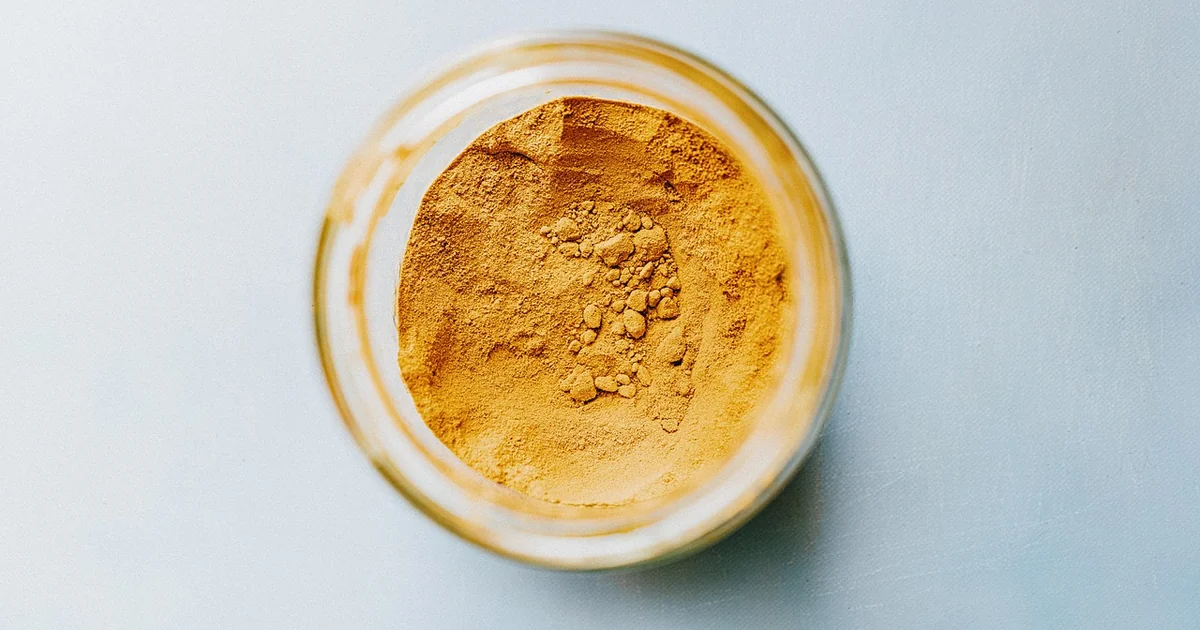
That golden spice sitting in your kitchen cabinet does more than add warmth to curries and lattes. Turmeric contains curcumin, a natural pigment so potent that it has been used for centuries as a textile dye in South Asia. A single pinch can leave a bright yellow-orange mark on almost any surface it touches. The challenge with turmeric stain removal lies in curcumin’s molecular structure. It bonds tightly with porous materials, whether cotton fibers, wooden cutting boards, or unsealed grout. Unlike water-based stains that lift easily, curcumin is oil-soluble, which means plain water often spreads the stain rather than removing it. Understanding this chemistry helps explain why certain household ingredients work better than others.
About 37 percent of home cooks who regularly use turmeric report at least one significant staining incident per month, according to informal surveys within cooking communities. The problem is common enough that entire forums exist dedicated to sharing removal strategies. The good news is that most turmeric stains respond well to the right combination of ingredients and technique. The key is acting quickly and avoiding common mistakes that set the stain permanently.
Why Standard Cleaning Methods Fall Short
Most people reach for soap and water when they see a fresh turmeric mark. This instinct often makes the problem worse. Soap alone cannot break down curcumin’s oil-soluble compounds. Instead, the water in the soap solution pushes the pigment deeper into fibers and pores. By the time you realize the stain has spread, it has already bonded more tightly with the material.
Another common error involves heat. Throwing a turmeric-stained shirt into the dryer after a single wash cycle can lock the yellow color into the fabric permanently. Heat causes curcumin to bind with protein fibers like wool and silk at the molecular level. Even cotton becomes more receptive to the pigment when exposed to high temperatures. This is why every effective turmeric stain removal method includes a strict rule: avoid heat until the stain is completely gone.
Bleach seems like an obvious solution, but it often backfires. Chlorine bleach can react with curcumin in unpredictable ways, sometimes turning the yellow stain into a darker brown or orange mark that is even harder to remove. Bleach also damages colored fabrics, creating faded patches that are worse than the original stain.
Way 1: Removing Turmeric Stains from Clothing and Table Linens
Fabric absorbs turmeric quickly, especially cotton, linen, and natural fiber blends. Synthetic materials like polyester resist staining somewhat better, but they are not immune. The approach below works for washable fabrics only. Delicate items like silk or wool require extra caution and may need professional cleaning.
Step 1: Lift Solids Without Spreading
Use the edge of a spoon or a dull knife to scrape away any visible turmeric paste, powder, or food residue. Do not rub or press down. Rubbing pushes the pigment deeper into the weave. Work from the outside of the stain toward the center to avoid expanding the affected area. Discard the removed solids immediately so they do not touch clean fabric.
Step 2: Apply a Solvent-Based Pretreatment
Curcumin dissolves in alcohol and oils, which makes rubbing alcohol an excellent first treatment. Apply a small amount of 70 percent or higher isopropyl alcohol to a clean white cloth and blot the stain. Do not pour alcohol directly onto the fabric, as this can spread the pigment. Blot from the edges inward. Let the alcohol sit for 15 to 30 minutes. During this time, the alcohol breaks down the curcumin’s molecular bonds, making it easier to wash away.
If you do not have rubbing alcohol, citrus dish soap works as an alternative. The d-limonene in citrus-based soaps is a natural solvent that targets oil-based stains. Apply a few drops directly to the stain and gently work it in with your fingertips or a soft brush. Let it rest for the same 15- to 30-minute window.
Step 3: Launder in Cold Water Only
Wash the item in the coldest water setting your machine offers. Hot water activates curcumin and encourages it to bond with fibers. Use a heavy-duty liquid laundry detergent rather than powder, as liquids penetrate fabric more effectively. Check the stain after the wash cycle completes. If any yellow remains, do not put the item in the dryer. Repeat the pretreatment and washing steps instead.
Amazon US Verified
Cascade Platinum Plus ActionPacs
Enzyme-activated pods formulated to break down burnt-on food without pre-rinsing.
Step 4: Use Laundry Bluing for Stubborn Marks
Laundry bluing is a product that counteracts yellow tones in white fabrics. It contains a tiny amount of blue pigment that optically neutralizes yellow. Add a few drops to the final rinse cycle according to the product instructions. This step works best for white cotton items like tablecloths and napkins. Test on an inconspicuous area first if your fabric is not pure white.
Some stains require three or four full treatment cycles before they disappear completely. Patience matters more than aggressive scrubbing. Aggressive scrubbing damages fabric fibers and creates thin spots that weaken the material.
Way 2: Removing Turmeric Stains from Countertops
Countertops present a different challenge because the surface is hard and non-porous or semi-porous depending on the material. Granite, quartz, laminate, and solid surface each react differently to turmeric and to cleaning agents.
Step 1: Brush Away Powder Before It Spreads
Use a dry pastry brush or a soft-bristled brush to sweep turmeric powder into a dustpan. Do not use a wet cloth at this stage. Moisture turns the powder into a paste that smears across the countertop, doubling or tripling the area you need to treat.
Step 2: Apply a Baking Soda Paste
Mix three parts baking soda with one part water to create a thick paste. Spread it over the stain in a layer about one-quarter inch thick. Let it sit for 15 minutes. Baking soda is mildly abrasive, which helps lift pigment from the surface without scratching. It also absorbs some of the oily components of curcumin.
Step 3: Scrub Gently in Circles
Dampen a non-scratch sponge and scrub the paste in small circular motions. Rinse the sponge frequently and check your progress. If the stain has faded but not disappeared, apply a fresh layer of paste and repeat. Most countertop stains lift within two applications.
Step 4: Try a Melamine Foam Sponge for Residue
A melamine foam sponge, often sold under brand names like Magic Eraser, works well on laminate and solid-surface countertops. Wet the sponge, wring it out completely, and rub the stained area gently. The foam acts as an extremely fine abrasive that removes microscopic layers of the surface along with the pigment. Use this method sparingly on glossy finishes, as it can dull the shine over time.
Avoid using melamine foam on natural stone countertops like marble or limestone. The abrasiveness can etch the surface and remove the sealant, leaving the stone vulnerable to future stains.
Way 3: Removing Turmeric Stains from Dishes and Utensils
Plastic containers, silicone spatulas, and ceramic plates all fall victim to turmeric staining. Plastic is especially prone because its surface develops microscopic scratches during normal use. These scratches trap curcumin particles and hold them tight.
Step 1: Soak in Warm Citrus Water
Fill your sink or a large bowl with warm water and add a generous squirt of citrus-based dish soap. Submerge the stained items completely and let them soak for 20 to 30 minutes. The warm water softens any dried residue while the citrus solvents begin dissolving the curcumin.
Step 2: Scrub with a Non-Scratch Sponge
After soaking, scrub each item with the abrasive side of a non-scratch sponge. Focus on any areas where yellow remains visible. Rinse with warm water and inspect under good lighting. If the stain persists, move to the next step.
Amazon US Verified
Finish Jet-Dry Rinse Aid
Accelerates drying and eliminates hard water mineral spots on glassware and cutlery.
Step 3: Apply a Baking Soda Paste for Stubborn Areas
Make a thick paste of baking soda and water and rub it onto the remaining stain using your fingers or a soft cloth. Let it sit for five minutes, then rinse. This method works particularly well on ceramic plates and glass bowls. For plastic containers, you may need to repeat the process two or three times.
Step 4: Run Through the Dishwasher
Place the items in the dishwasher and run a normal cycle using a detergent that contains oxygen bleach. Oxygen bleach, also called sodium percarbonate, releases hydrogen peroxide when mixed with water. Hydrogen peroxide breaks down curcumin through oxidation, effectively bleaching the stain without damaging the item’s color. Check the items after the cycle completes. Any remaining yellow should be faint and may disappear after one more manual treatment.
Way 4: Removing Turmeric Stains from Hands and Skin
Turmeric stains on hands are common for anyone who cooks with the spice regularly. The pigment binds to the outer layer of skin, and standard hand washing often fails to remove it completely. This is not harmful, but it can be embarrassing if you are heading out after cooking.
Step 1: Wash with Soap and a Nail Brush
Start with regular hand soap and warm water. Use a nail brush to scrub under your nails and along the creases of your palms and fingers. The mechanical action of the brush removes the top layer of stained skin cells. This alone removes about 60 percent of the visible color in most cases.
Step 2: Apply Rubbing Alcohol with a Cotton Pad
Dampen a cotton pad with rubbing alcohol and wipe the stained areas. The alcohol dissolves the curcumin on contact. You will see the yellow transfer onto the cotton pad. Repeat with fresh pads until no more color transfers. Follow up by washing your hands again with soap to remove the alcohol.
Step 3: Use a Baking Soda and Citrus Exfoliant
Mix a tablespoon of baking soda with enough lemon juice or citrus dish soap to form a paste. Rub this mixture onto your hands in circular motions for about one minute. The baking soda provides gentle abrasion while the citrus breaks down remaining pigment. Rinse thoroughly and moisturize afterward, as this treatment can be drying.
For very stubborn stains, repeat the alcohol and exfoliant steps twice per day until the color fades. Most skin stains disappear within 24 to 48 hours as the outer layer of skin naturally sheds.
You may also enjoy reading: Growing Your Own Veggies: 7 Cost Truths.
Way 5: Removing Turmeric Stains from Wooden Cutting Boards
Wood is porous and absorbs turmeric deeply. A stained cutting board is not unsafe to use, but it can transfer yellow color to other foods if you do not clean it properly. The key is drawing the pigment out of the wood rather than scrubbing it deeper.
Step 1: Create a Lemon and Salt Scrub
Cut a lemon in half and sprinkle coarse salt over the cut surface. Rub the lemon half directly onto the stained area of the cutting board. The acid in the lemon juice breaks down curcumin while the salt acts as an abrasive. Continue rubbing for two to three minutes, applying fresh salt as needed.
Step 2: Let the Board Sit in Sunlight
After scrubbing, rinse the board and place it in direct sunlight for several hours. Sunlight naturally bleaches curcumin through ultraviolet radiation. This step is surprisingly effective and requires no additional chemicals. Turn the board over halfway through to expose both sides.
Step 3: Apply a Baking Soda Paste Overnight
If sunlight does not fully remove the stain, spread a thick layer of baking soda paste over the affected area and let it sit overnight. The baking soda draws moisture and pigment out of the wood fibers. Rinse the board in the morning and oil it with food-grade mineral oil to restore moisture.
Way 6: Removing Turmeric Stains from Carpets and Rugs
Carpet fibers trap turmeric particles deep within the pile. Blotting and scraping are essential because rubbing can grind the pigment into the backing of the carpet, where it becomes nearly impossible to remove.
Step 1: Scrape and Vacuum
Use a spoon or a dull knife to lift any solid turmeric residue from the carpet. Follow up with a vacuum cleaner equipped with a crevice tool to pull loose powder from the fibers. Do not use a brush attachment at this stage, as brushing spreads the pigment.

Amazon US Verified
Active Dishwasher Machine Cleaner Tablets
Descales internal spray arms, filters, pumps, and hidden heating elements.
Step 2: Blot with Rubbing Alcohol
Dampen a clean white cloth with rubbing alcohol and blot the stain gently. Do not pour alcohol directly onto the carpet. Work from the outside of the stain toward the center. Change to a clean section of the cloth as the yellow transfers. Continue blotting until no more color comes up.
Step 3: Apply a Dish Soap Solution
Mix one teaspoon of clear dish soap with one cup of cold water. Dip a clean cloth into the solution and blot the area again. This removes any alcohol residue and lifts remaining pigment. Follow with a cloth dampened with plain water to rinse. Blot dry with a towel and let the carpet air dry completely before walking on it.
Avoid using steam cleaners or hot water extraction on turmeric stains. Heat sets the pigment, and the moisture can push it deeper into the carpet padding.
Way 7: Removing Turmeric Stains from Grout and Tile Flooring
Grout is highly porous and absorbs turmeric readily. Tile floors in kitchens are especially vulnerable because turmeric powder falls to the floor during cooking. Grout stains require a different approach because the material is sensitive to harsh chemicals.
Step 1: Apply a Hydrogen Peroxide Paste
Mix hydrogen peroxide with baking soda to create a thick paste. The hydrogen peroxide concentration should be 3 percent, which is the standard household strength. Spread the paste over the stained grout lines and let it sit for 30 minutes. Hydrogen peroxide oxidizes curcumin and lightens the stain without damaging the grout.
Step 2: Scrub with a Stiff Brush
Use a grout brush or an old toothbrush to scrub the paste into the grout lines. Apply firm pressure but avoid scrubbing so hard that you damage the grout surface. Rinse with warm water and inspect the results. Repeat the application if the stain remains visible.
Step 3: Seal the Grout After Cleaning
Once the stain is gone, apply a penetrating grout sealer to protect against future stains. Sealed grout repels liquids and pigments, making future turmeric spills much easier to clean. Most sealers require 24 hours to cure before the floor can be walked on normally.
Frequently Asked Questions About Turmeric Stain Removal
Does lemon juice really remove turmeric stains?
Yes, lemon juice works because its citric acid breaks down curcumin. It is most effective on hard surfaces like cutting boards and countertops. On fabric, lemon juice can cause lightening or discoloration, so test it on a hidden area first.
Can I use bleach on turmeric stains?
Chlorine bleach is not recommended for turmeric stains. It can react with curcumin and create darker brown or orange marks. Oxygen bleach, which is hydrogen peroxide based, is safer and more effective for most materials.
Why does turmeric stain plastic containers so badly?
Plastic develops microscopic scratches during normal use and washing. These tiny grooves trap curcumin particles. The porous nature of plastic also allows the pigment to penetrate slightly below the surface. Using glass or stainless steel containers for turmeric-heavy dishes prevents this issue entirely.
How many treatments does a turmeric stain usually need?
Most turmeric stains require two to three treatment cycles for complete removal. Fabric stains on cotton often need three full wash cycles. Hard surfaces like countertops typically clear after two applications of baking soda paste. Patience and repetition are more effective than aggressive scrubbing.
Is a turmeric stain permanent if it has been through the dryer?
Heat sets turmeric stains, making them significantly harder to remove, but not always permanent. Soaking the item in a solution of oxygen bleach and cold water for several hours before rewashing can reverse some of the damage. White fabrics respond better to this treatment than colored ones.
Turmeric stains test the patience of even experienced home cooks. The spice rewards those who understand its chemistry and respect its stubborn nature. With the right techniques and a little persistence, almost every surface in your home can be restored to its original condition. The next time you reach for that jar of golden powder, you can cook with confidence knowing exactly what to do if a spill happens.
As an Amazon Associate, azuloz.com earns from qualifying purchases.