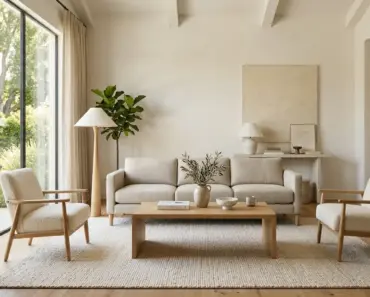
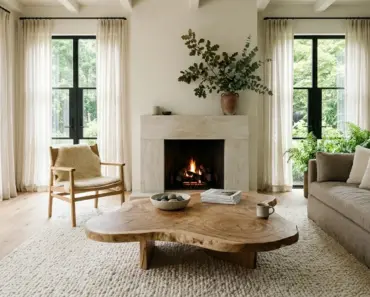
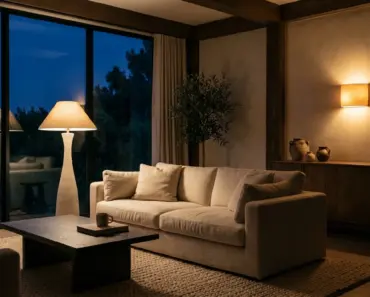
Many homeowners pour energy into updating kitchens and living rooms, yet the bedroom often gets left behind. This is a missed opportunity. The bedroom is the first space you see each morning and the last one you experience at night. It deserves thoughtful design just as much as any other room. Before chasing new trends, it helps to clear out the elements that no longer serve the space. Some common bedroom features to ditch are quietly holding your room back from feeling calm, spacious, and intentional. Below are the seven items that interior designers say should be the first to go.
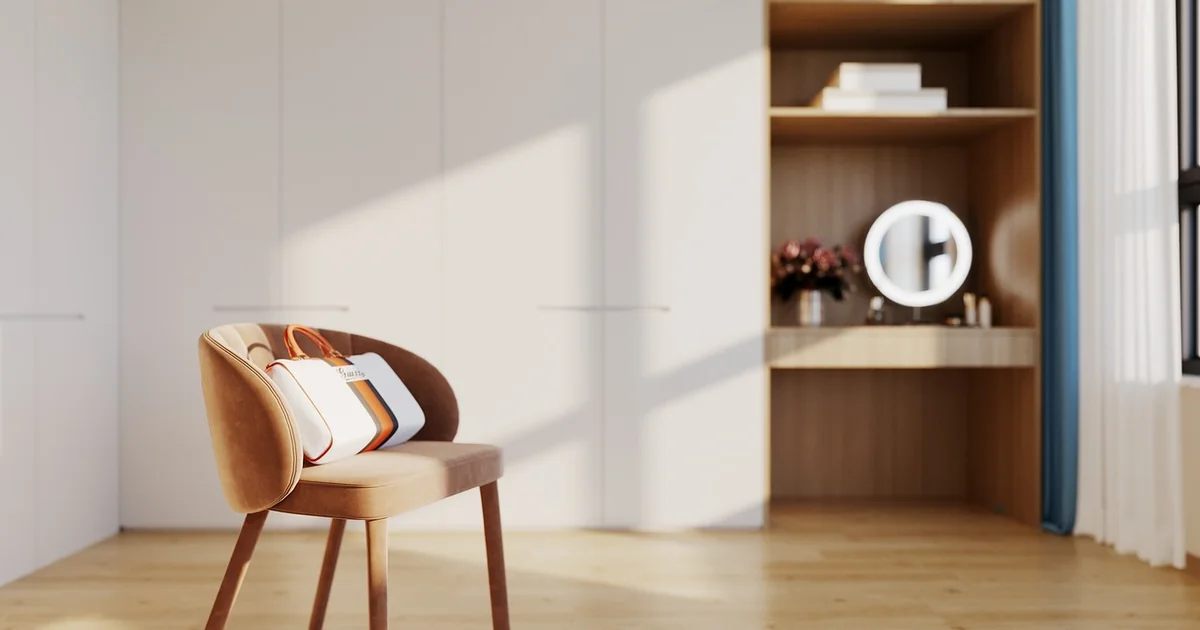
Matching Furniture Sets That Look Like a Showroom
There was a time when buying a complete bedroom set — bed frame, nightstands, and a dresser all in the same wood finish with identical hardware — felt like the smart, grown-up choice. Designers now see this as one of the biggest bedroom features to ditch. It creates a look that feels manufactured rather than personal.

Amazon US Verified
Hang-O-Matic All-in-One Picture Hanging Tool
Tape measure, sliding level, and markers in one tool for flawless gallery walls.
Interior designer Jeannine Bogart calls this the “furniture showroom suite” effect. The problem is that it suggests a single, rushed purchase rather than a space that has evolved over time. A room filled with pieces that all match down to the same knob design lacks character. It can also date a bedroom to the early 1990s, when coordinated sets were the standard.
How to Create a Collected Look Without Replacing Everything
You do not need to throw out your entire bedroom set. Keep the bed as the anchor piece. It is often the largest item and the hardest to replace. Then, introduce nightstands in a contrasting material. A hand-finished metal side table or a stone-topped vintage piece can break up the monotony. The goal is to create visual interest through contrast.
If your dresser feels too matchy, consider swapping its hardware for something unexpected. Replacing standard brass pulls with leather tabs or ceramic knobs can shift the entire feel of the piece. For a more dramatic change, Bogart suggests replacing a standalone dresser with custom-built cabinetry integrated into the room’s millwork. This adds a sense of permanence that a retail piece simply cannot match.
A Practical Scenario for Renters
If you rent and cannot install built-in cabinetry, you can still achieve a collected look. Mix your existing bed frame with a nightstand from a flea market or a vintage chair used as a side table. The key is to vary materials: wood with metal, smooth with textured, dark with light. Even adding a single sculptural lamp can shift the room away from that manufactured feel.
Small Spindly Benches at the Foot of the Bed
The foot-of-bed bench became a staple in the late 2000s. Many people bought small benches with thin, spindly legs to fill the space at the end of the bed. Interior designer Tasha Frie points out that these pieces often create what she calls “spatial friction.” They disrupt the flow of the room and add visual clutter rather than solving a problem.
In practice, these benches rarely function as intended. They become a dumping ground for laundry, bags, or shoes. Instead of providing useful seating, they just take up floor space. This is another bedroom feature to ditch if you want a cleaner, more open layout.
Better Alternatives for the Foot of the Bed
Frie recommends integrating millwork seating into built-in cabinetry units. This keeps the seating function without adding a freestanding piece that breaks the visual line of the room. If built-ins are not an option, consider a storage bench with a solid, substantial frame. A piece that sits closer to the ground with thicker legs will feel more anchored.
Another option is to leave the foot of the bed completely clear. Not every bedroom needs something there. Opening up that floor space can make the room feel larger and more restful. If you need a place to sit, a single upholstered chair in a corner may serve the purpose better than a bench that blocks the path.
Heavy Window Treatments That Block Light
Elaborate swags, jabots, and shiny synthetic drapes were a hallmark of early 2000s interior design. These treatments were often stiff, overly formal, and designed to make a statement. Today, they feel heavy and dated. They also block natural light, which is one of the most important elements for a restful bedroom.
Bogart notes that these heavy window treatments not only date a space but also feel stiff rather than airy. Natural light helps regulate circadian rhythms and can improve sleep quality. Blocking it with thick, synthetic fabric works against the purpose of the room.
What to Use Instead
The designer recommends replacing heavy drapes with simple floor-to-ceiling ripple-fold sheers paired with functional blackout linen drapery. Natural fibers like Belgian linen allow light to filter through during the day. They provide a soft, organic texture that feels both high-end and timeless. At night, you can draw the blackout layer for complete darkness.
This layered approach gives you control over light without sacrificing style. The sheers add privacy during the day while keeping the room bright. The linen panels add warmth and texture. Together, they create a window treatment that feels intentional rather than theatrical.
Under-Scaled Ceiling Lights and Boho Fixtures
Many bedrooms rely on a single flush-mount ceiling light or a small boho-style fixture. These under-scaled lights often fail to provide adequate illumination. They cast harsh shadows or create dim, uninviting pools of light. This is a subtle but powerful bedroom feature to ditch if you want a room that feels spacious and serene.
Frie points out that small ceiling fixtures can actually make a room feel smaller. They draw the eye to a low point on the ceiling and fail to emphasize the room’s height. The boho fixtures that were popular for years now feel dated in many contexts.
Upgrading Your Lighting Plan
Frie recommends moving toward indirect light sources. LED cove lighting installed along the perimeter of the ceiling creates a soft, ambient glow. Recessed wells built into the ceiling’s millwork can also provide even, diffused light. These options feel integrated into the structure of the room rather than sitting on top of it.
If you have low ceilings and cannot install recessed lights, consider wall-mounted sconces or floor lamps that direct light upward. Uplighting can make a ceiling feel higher and a room feel larger. A layered lighting plan — ambient, task, and accent — will always outperform a single overhead fixture.
A Practical Scenario for Low Ceilings
Imagine you have eight-foot ceilings and a flush-mount light that came with the apartment. You cannot cut into the ceiling. In this case, replace the flush-mount with a slim, low-profile fixture that has a warm diffuser. Then add a floor lamp with an uplight in one corner and a small reading lamp on the nightstand. The combination of three light sources will transform the room without any construction.
Flat Icy Gray Color Palettes
Cool-toned color schemes, especially flat icy grays, were once the hallmark of modern minimalism. Today, they feel clinical and cold. Bogart explains that these colors can make a bedroom feel sterile rather than restful. They lack warmth and can actually make a room feel less inviting.
This is one of the most common bedroom features to ditch if you painted your walls a cool gray within the last few years and now feel the room looks stark. The problem is not gray itself, but the flat, icy version that has no depth. It reflects light in a way that feels harsh rather than soft.
Warm Neutrals That Create a Cocoon Effect
Bogart suggests leaning into a palette of warm neutrals. Think mushroom, soft sandy tones, and earthy taupes. These colors create a cocoon effect that feels intentional and sophisticated. The key is to layer different textures within the same tonal family.
For example, pair grasscloth wallpaper on one wall with a wool carpet and velvet throw pillows. The variation in texture adds depth without introducing competing colors. This tonal layering approach creates a room that feels rich and calming. It avoids the flatness of a single cool-gray paint color.
Amazon US Verified
Peel and Stick Textured Linen Wallpaper
Removable neutral wall covering providing architectural warmth and tactile depth.
You may also enjoy reading: 35 Coastal Farmhouse Ideas to Transform Every Room.
How to Transition Without Repainting Everything
If repainting feels like too big a project, start with smaller changes. Swap out your bedding for warm, earthy tones. Add a textured throw in a sandy beige or a wool blanket in a mushroom hue. Change your curtains to a natural linen in a warm off-white. These shifts can warm up the room even if the walls stay gray. Over time, you may feel ready to repaint, but the initial changes will already make a difference.
Standalone Dressers That Break the Visual Flow
A standalone dresser can work well in many bedrooms, but it often creates a visual break that disrupts the room’s flow. The piece sticks out from the wall, collects dust on top, and can feel like an afterthought. Designers increasingly prefer built-in cabinetry that integrates with the room’s architecture.
Bogart notes that custom-built millwork adds a sense of permanence. It looks like the room was designed with that storage in mind, not like a piece of furniture was dropped in. This is another bedroom feature to ditch if you are aiming for a high-end, cohesive look.
Alternatives for Renters and Budget-Conscious Homeowners
If built-ins are not feasible, consider a dresser that sits flush against the wall and has a low profile. Avoid tall, bulky pieces that dominate the room. You can also mount a dresser mirror directly to the wall above it to create a more integrated look. Using the same finish as your bed frame can help, but mixing finishes intentionally is better than forcing a match.
Another approach is to use a low, long dresser that doubles as a media console. This keeps the piece grounded and prevents it from competing with the bed. The goal is to make the dresser feel like part of the room’s architecture, even if it is a freestanding piece.
Overly Themed Decor and Trend-Driven Accessories
Themed bedrooms — whether nautical, farmhouse, or boho — often feel dated faster than any other style. When a room leans too heavily on a single theme, it loses its timeless quality. Accessories that were trendy five years ago, like specific throw pillow patterns or wall art styles, can instantly date a space.

Amazon US Verified
Ceramic Fluted Decorative Vase Set
Modern minimalist ceramic vases perfect for shelves, consoles, and dried florals.
This bedroom feature to ditch is about mindset more than a specific item. The goal is to avoid decorating in a way that screams a particular era. A room filled with fast-fashion decor from a single trend cycle will look tired within a few years.
How to Keep a Room Timeless
Invest in foundational pieces that are neutral in style and color. Add personality through easily changeable items like throw pillows, blankets, and art. Rotate these items seasonally or when you feel the room needs a refresh. This approach keeps the room feeling current without requiring a full redesign every few years.
Choose art and accessories that reflect your personal taste rather than what is popular on social media. A single piece of original art or a handmade ceramic lamp will add more character than a dozen trendy items from a big-box store. The room should feel like it belongs to you, not to a catalog.
Frequently Asked Questions About Updating Your Bedroom
How do I mix different wood tones and materials without making the room look chaotic?
Start with one dominant wood tone, usually the bed frame. Then add one or two secondary materials that contrast but share an undertone. For example, pair a walnut bed with a light oak nightstand and a metal lamp. Keep the undertones consistent — all warm or all cool — to maintain harmony.
What are some alternatives to a foot-of-bed bench that still add function without clutter?
A storage ottoman with a solid, low profile can work if you need seating. A small upholstered stool that tucks under a console table is another option. If you want storage, consider a trunk that sits at the foot of the bed. It provides function without creating visual friction.
Why do designers say flat icy grays are outdated, and what colors should I use instead?
Flat icy grays lack warmth and depth. They reflect light in a way that feels clinical and cold. Designers recommend warm neutrals like mushroom, sandy beige, and earthy taupe. These colors create a cocoon effect that feels intentional and soothing.
How can I upgrade my bedroom lighting if I have low ceilings and cannot install recessed lights?
Use wall-mounted sconces, floor lamps with uplights, and table lamps on nightstands. A slim, low-profile ceiling fixture with a warm diffuser can replace a standard flush-mount light. Layering multiple light sources at different heights will make the room feel larger and more inviting.
What exactly makes a bedroom feel ‘collected’ rather than ‘manufactured’ in practice?
A collected room features pieces that do not all match. The bed may be wood, the nightstands metal, and the dresser a vintage find. The finishes do not coordinate perfectly, but they share a similar mood or era. This creates a sense of history and personality that a matching set cannot replicate.
Updating a bedroom does not require a full renovation. Often, removing a few outdated elements is enough to transform the space. By letting go of matching furniture sets, small benches, heavy drapes, under-scaled lights, cool gray paint, standalone dressers, and overly themed decor, you create room for a design that feels calm, personal, and restorative. The bedroom should be a sanctuary, and every item in it should earn its place.
As an Amazon Associate, azuloz.com earns from qualifying purchases.