There is something truly special about walking into your own garden with a pair of pruners and cutting a handful of blooms for the kitchen table. The best part about growing your own flowers is you get to choose varieties that look stunning and smell incredible. Not every rose bush in the nursery is suited for this purpose, though. Some grow too short, others lack fragrance, and a few simply do not last long once placed in water. Selecting the right plants makes all the difference between a disappointing display and a vase full of beauty that lasts a week or more.
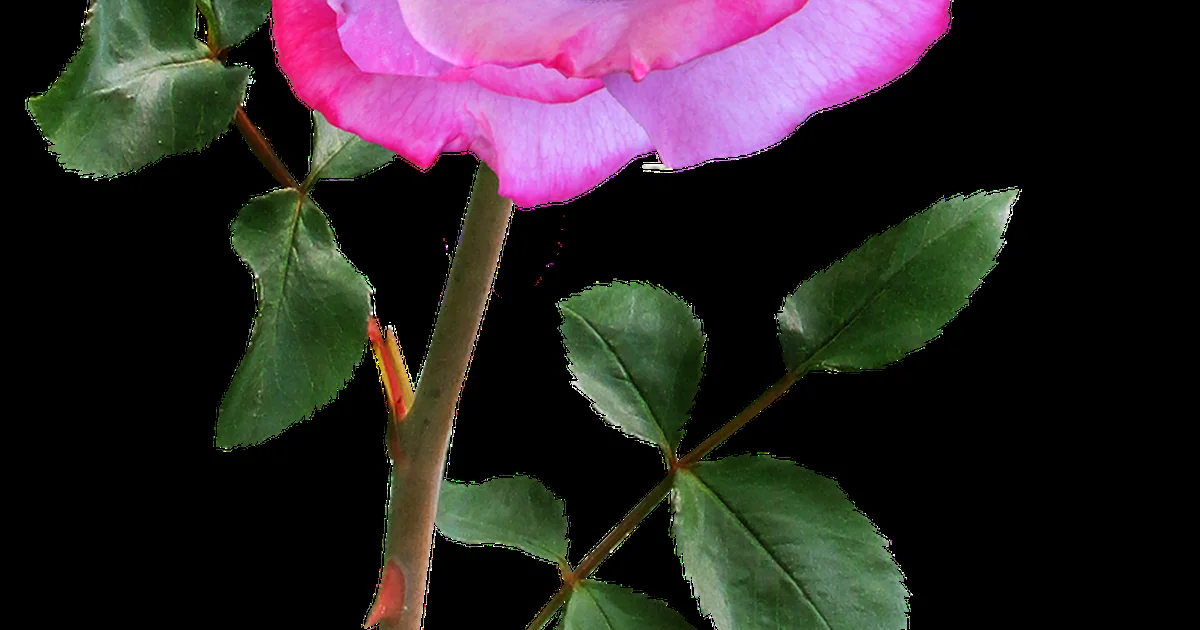
Roses have been cultivated for roughly 5,000 years, with fossil evidence showing the genus Rosa appeared on earth about 35 million years ago. That is a long history of breeding and selection. Today, over 300 species exist, and the number of cultivars runs into the tens of thousands. Among all those choices, certain varieties stand out for bouquet use.
A rose intended for cutting needs long, sturdy stems. Short stems look awkward in a tall vase and often cannot support the weight of the bloom. The flower itself should hold its shape for several days after being cut. Fragrance matters too, though not every gardener prioritizes it. Some of the most popular cutting garden roses combine all three traits: tall stems, long vase life, and a memorable scent.
Three Rose Types That Excel in a Cutting Garden
Rose breeders have developed many categories over the decades, but three groups dominate the cutting garden conversation. Understanding these categories helps you shop with confidence.
Hybrid Tea Roses
These are the classic florist roses. Hybrid teas produce one large, elegant bloom per stem on long, straight canes. The flowers are usually high-centered and unfold slowly, which makes them ideal for arrangements. Varieties in this group often have strong fragrance and come in nearly every color imaginable. If you want a rose that looks like it came from a professional flower shop, hybrid teas are your first choice.
Floribunda Roses
Floribundas grow in clusters rather than single stems. Each cluster carries several medium-sized blooms, which makes them excellent for filling out bouquets. The individual stems are shorter than hybrid teas, so they work better as accents rather than focal flowers. Many floribundas bloom more continuously through the season than hybrid teas, giving you a steady supply of material for arrangements.
Grandiflora Roses
Grandifloras combine traits from both hybrid teas and floribundas. They grow tall like hybrid teas, often reaching 5 to 6 feet, but their blooms appear in clusters like floribundas. This hybrid category offers the best of both worlds: long stems for tall vases and multiple flowers per stem for abundance. Grandifloras are a relatively recent development in rose breeding, with the first widely known cultivar appearing in the 1950s.
7 Exceptional Cutting Garden Roses to Grow
The following seven roses have earned their reputation among gardeners who grow flowers specifically for bringing indoors. Each one brings something different to the table, from color to fragrance to vase performance.
1. ‘Queen Elizabeth’
This grandiflora rose has been called the queen of the roses, and for good reason. It grows up to 6 feet tall with long, strong stems that hold elegant soft pink blooms. The flowers measure 4 to 5 inches across and open into cup shapes that last well in a vase. Florists appreciate its long vase life, and gardeners appreciate its longevity in the landscape, where it can thrive for up to 20 years.
‘Queen Elizabeth’ produces an airy, delicate fragrance rather than a heavy perfume. Its glossy green foliage stays healthy throughout the season with basic care. This rose grows best in full sun with well-drained soil and performs reliably in USDA zones 5 through 9. If you want a grandiflora that delivers abundance without demanding constant attention, this one is hard to beat.
2. ‘Heavenly Scented’
As the name suggests, fragrance is the star here. This hybrid tea rose offers a fruit-and-spice aroma that fills a room from a single stem. The blooms are bright pink and substantial, measuring about 4.5 inches across with up to 138 petals each. That many petals creates a dense, full flower that holds its shape for days after cutting.
The petals fold backward as the flower ages, forming a soft point at the center. The bushes grow to about 6 feet tall with upright habits, making them easy to cut and incorporate into arrangements. ‘Heavenly Scented’ shows excellent resistance to downy mildew and rust, two common rose diseases. Its color stays vibrant without fading, even in strong sunlight. This rose thrives in USDA zones 5 through 9.
3. ‘Iceberg’
White roses bring a sense of elegance to any arrangement, and ‘Iceberg’ delivers that in spades. This floribunda produces clusters of pure white blooms on stems that are surprisingly long for its category. Each double flower contains about 40 soft white petals in a classic rosette shape. The flowers carry a light, pleasant fragrance that complements rather than overwhelms other scents in a mixed bouquet.
‘Iceberg’ bushes can grow over 9 feet tall under good conditions, which is unusual for a floribunda. The dark green foliage creates a striking contrast against the white blooms. This rose blooms heavily in flushes throughout the growing season, giving you multiple opportunities to cut. It grows well in USDA zones 5 through 9 and adapts to a range of soil types as long as drainage is adequate.
4. ‘Double Delight’
Few roses can match the color drama of ‘Double Delight’. This hybrid tea variety opens with creamy white petals that develop rich red edges as the flower matures. Each bloom is unique because the red coloring intensifies with sun exposure and temperature. The fragrance is strong and spicy, often described as a mix of fruit and traditional rose perfume.
The stems grow long and sturdy, supporting blooms that can reach 5 inches across. ‘Double Delight’ won the All-America Rose Selections award in 1977 and has remained a favorite among cutting gardeners ever since. It performs best in full sun, where the color contrast develops most dramatically. This rose grows in USDA zones 5 through 9 and benefits from regular deadheading to encourage repeat blooming.
5. ‘Mr. Lincoln’
Deep red roses hold a special place in bouquet culture, and ‘Mr. Lincoln’ is one of the finest. This hybrid tea produces velvety crimson blooms on long, robust stems. The flowers measure up to 6 inches across with a classic high-centered form. The fragrance is famously strong, with notes of fresh rose and citrus that linger in the air.
‘Mr. Lincoln’ was introduced in 1964 and quickly became a standard for red roses in cutting gardens. The bushes grow to about 6 feet tall with good disease resistance for a hybrid tea. This rose needs full sun and rich, well-drained soil to perform at its best. It thrives in USDA zones 5 through 9. For a classic red rose that delivers on color, scent, and stem length, this variety remains a top choice after more than five decades.
6. ‘Graham Thomas’
English roses bred by David Austin have become immensely popular for cutting gardens, and ‘Graham Thomas’ leads the way among yellow varieties. This shrub rose produces large, cupped blooms in a rich amber-yellow color that stands out in any arrangement. The flowers carry a strong tea rose fragrance with hints of violet and fruit.
Stems on ‘Graham Thomas’ are long and strong enough for cutting, reaching 4 to 5 feet on established plants. The blooms are fully double with over 100 petals each, creating a rounded, cabbage-like form that opens slowly. This rose blooms in repeated flushes through the season, providing plenty of material for indoor displays. It grows well in USDA zones 5 through 9 and prefers full sun with good air circulation to prevent black spot.
7. ‘Just Joey’
‘Just Joey’ offers something different for those who appreciate unusual colors. This hybrid tea rose produces large blooms in a warm coppery-orange shade that fades gently to cream at the edges. The flowers are ruffled and full, with up to 50 petals that open to reveal a loose, informal shape. The fragrance is moderate and fruity, with notes of fresh apricot.
You may also enjoy reading: One Tasty Plant Increases Tomato Yield 20%.
The stems are long and strong enough to support the substantial blooms, which can reach 5 inches across. ‘Just Joey’ won the All-America Rose Selections award in 1972 and has remained a favorite for cutting ever since. The bushes grow to about 4 feet tall with a bushy habit and dark green foliage that resists disease well. This rose performs best in USDA zones 6 through 9 and appreciates afternoon shade in hotter climates to preserve bloom color.
Growing Tips for Cutting Garden Roses
Growing roses for cutting requires a slightly different approach than growing them for landscape display. The goal is to produce as many long, strong stems as possible rather than focusing solely on garden appearance.
Planting and Spacing
Give your roses plenty of room to grow. Crowded plants compete for nutrients and produce weaker stems. Space hybrid teas and grandifloras at least 3 feet apart. Floribundas can be slightly closer at 2.5 feet. Dig the planting hole twice as wide as the root ball and amend the soil with compost before planting. Roses need full sun, meaning at least 6 hours of direct sunlight daily.
Watering and Fertilizing
Consistent watering is crucial for producing quality cutting stems. Deep watering once or twice a week is better than frequent shallow watering. Aim to keep the soil moist but not waterlogged. Apply a balanced rose fertilizer in early spring when new growth appears, then again after each major bloom cycle. Stop fertilizing about 6 weeks before the first expected frost in your area.
Pruning for Production
Pruning for cutting gardens focuses on removing weak growth and encouraging strong new canes. In early spring, cut back the previous year’s growth by about one-third to one-half, depending on the variety. Remove any canes thinner than a pencil. Throughout the growing season, cut stems for bouquets just above a five-leaflet leaf, which encourages new flowering shoots to develop.
Harvesting Techniques
The best time to cut roses is early morning when the flowers are fully hydrated. Choose stems where the outer petals have begun to unfurl but the center is still tight. Cut at a 45-degree angle about 1 inch above a leaf junction. Immediately place the stems in warm water with flower preservative. Remove any leaves that will sit below the water line in the vase to prevent bacterial growth.
Protecting your hands and arms from thorns is essential. Long gardening gloves made from thick material save you from painful scratches. Felco pruners, which are widely recommended by professional gardeners, make clean cuts that heal quickly. Sharp blades are important because ragged cuts invite disease.
Common Problems and Solutions for Cutting Garden Roses
Even experienced gardeners face challenges when growing roses for cutting. Knowing what to expect helps you respond quickly and keep your plants productive.
Short Stems
If your roses are producing stems too short for vases, the cause is often insufficient sunlight or overcrowding. Move plants to a sunnier location or thin out neighboring plants that may be casting shade. Also check your pruning technique. Cutting too low or too high can affect stem length on the next flush of growth.
Poor Vase Life
Some rose varieties simply last longer in water than others. If your cut roses are wilting within a day or two, consider switching to varieties known for long vase life, such as ‘Queen Elizabeth’ or ‘Double Delight’. Harvesting at the wrong stage also causes early wilting. Wait until the outer petals have just started to open before cutting.
Pest and Disease Pressure
Roses attract aphids, thrips, and spider mites, all of which can damage blooms and reduce stem quality. Thrips are especially problematic because they cause buds to deform or fail to open. Regular inspection and early treatment with insecticidal soap or neem oil keeps populations under control. Black spot and powdery mildew can weaken plants over time. Choose disease-resistant varieties when possible and water at the base of the plant rather than overhead.
Designing Arrangements with Cutting Garden Roses
Once you have a steady supply of stems, arranging them becomes a joyful part of the process. Mixing different rose types creates visual interest. Use hybrid tea roses as focal points, grandifloras as secondary accents, and floribunda clusters as fillers. Adding foliage from the same garden, such as lamb’s ear or ferns, provides texture and contrast.
Change the vase water every two days and recut the stems at an angle each time to maintain water uptake. A teaspoon of sugar and a few drops of bleach in the water can extend vase life by feeding the flowers and preventing bacterial growth. Keep arrangements away from direct sunlight, heating vents, and ripening fruit, which releases ethylene gas that shortens bloom life.
Growing your own cutting garden roses transforms the way you experience flowers. Instead of buying expensive bouquets that last only a few days, you step outside and harvest exactly what you want, when you want it. The varieties listed here have proven themselves reliable, productive, and beautiful in both the garden and the vase. Start with two or three and expand as you discover which ones perform best in your climate and soil.