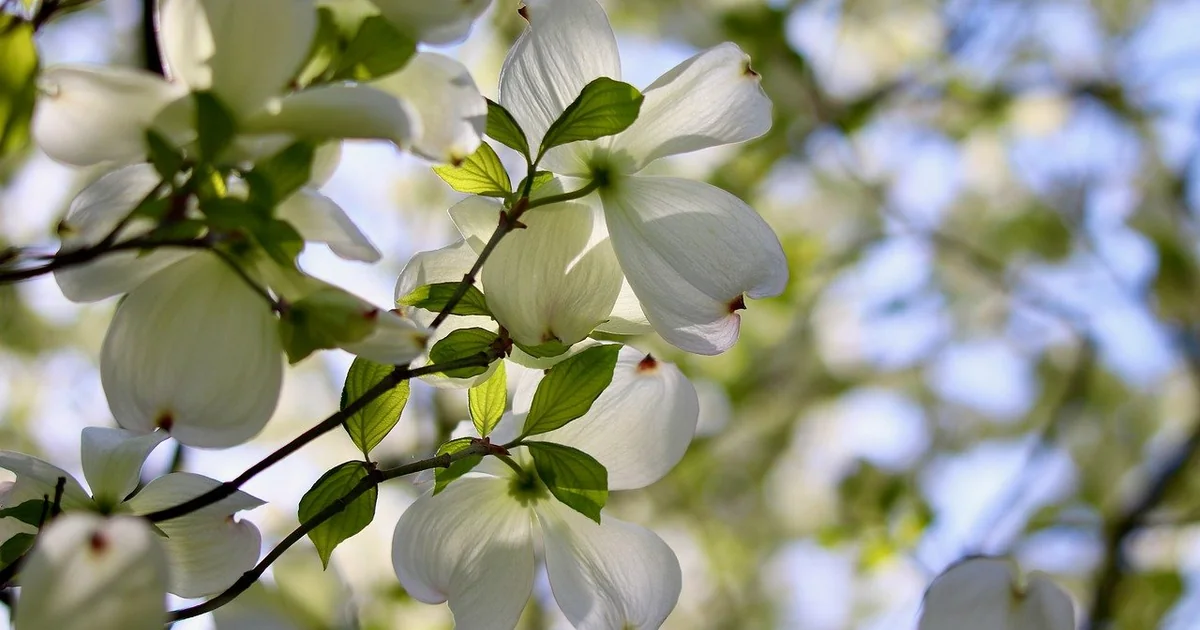
Imagine a tree that delivers a fresh performance every season. In spring, it bursts with blossoms that look like white or pink clouds. Summer brings deep green leaves and a cool, shaded spot underneath. Autumn sets those leaves ablaze in red and orange. Even winter offers a show with bright red berries clinging to bare branches. That is the dogwood tree. It works hard for its place in your yard. And the secret to enjoying this four-season spectacle lies in knowing how to plant dogwood tree correctly. These five straightforward steps will guide you from choosing a spot to watching your tree thrive for decades.
Amazon US Verified
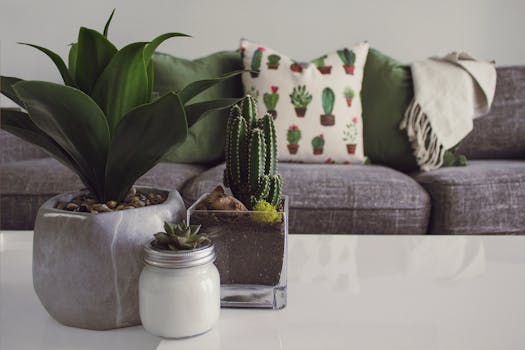
Self-Watering Planters with Drainage Aerators
Elevated reservoir design that prevents soggy roots and ensures steady hydration.
Step 1: Choose the Right Location for Your Dogwood
Dogwoods are not just any tree. In the wild, they grow as understory plants beneath taller trees. They receive dappled sunlight and protection from harsh afternoon rays. Recreate this environment in your garden. Look for a place that gets morning sun but is shaded during the hottest part of the day. A spot on the east or north side of your house often works perfectly.
Soil matters just as much. Dogwoods prefer fertile, well-draining ground with a slightly acidic pH between 6.0 and 7.0. If your soil is heavy clay, consider amending it or raising the planting bed. These trees have shallow, fibrous roots that spread out near the surface. They do not tolerate standing water. A simple soil test kit from your local garden center will tell you if you need to add sulfur to lower the pH or organic matter to improve drainage.
Amazon US Verified
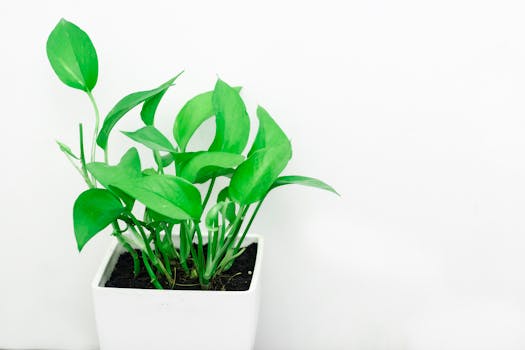
Organic Perlite Horticultural Soil Conditioner
Lightweight volcanic mineral that improves root aeration and prevents compaction.
Space is another consideration. A mature dogwood can reach 20 to 40 feet tall and spread 10 to 15 feet wide. Plant it at least 20 feet away from other trees or structures. This gives the roots room to grow and allows air to circulate around the canopy, reducing disease risk. Choose a location where you can see the tree from a window or patio. The spring blooms are worth showing off.
Step 2: Prepare the Soil and Dig the Hole
Once you have your site, it is time to get your hands dirty. Start by removing grass and weeds from a three-foot circle. Dogwoods do not like competition for water and nutrients. If you are planting a bare-root sapling, soak the roots in a bucket of water for about four hours before you dig. While the roots soak, you can prepare the planting hole.
Dig a hole that is at least one foot wider than the root system and exactly the same depth. The width gives the roots loose soil to spread into. The depth prevents the tree from sinking too low. If you dig too deep, the trunk will end up buried, which can lead to rot. For a nursery tree that has already leafed out, make the hole two to three times the width of the root ball but keep the depth equal to the height of the root ball.
Mix the soil you remove with compost or well-rotted organic matter. Dogwoods thrive in organically rich soil. Do not add fertilizer to the hole at planting time. Young trees are sensitive to chemical burns. Instead, focus on creating a loose, nutrient-rich environment. Form a small mound of this amended soil at the center of the hole. This mound will support the root system and encourage roots to grow outward and downward.
Step 3: Plant the Tree Correctly
Now comes the critical part. Place the tree on top of the mound, spreading the roots so they point downward and outward. Look for a visible soil line on the trunk. This line shows how deep the tree was growing in the nursery. The top of the root ball should sit slightly above the surrounding ground level. Never pull soil up over the root ball. The top of the root ball should be barely visible after planting.
Begin backfilling the hole with your amended soil. Fill it about two-thirds of the way, then gently press the soil down with your hands to remove air pockets. Air pockets can dry out roots or cause them to rot. Water the tree generously at this stage. Let the water settle the soil around the roots. Then fill the rest of the hole, again pressing lightly. Do not tamp the soil down with your feet. That compacts it too much for the shallow roots.
Form a water berm around the tree. A berm is a low ring of soil or mulch about five inches away from the trunk. It directs water straight to the root zone. Use leftover topsoil or a thick layer of mulch to create this ring. Water the tree again slowly until the berm fills up. This initial deep watering is essential for helping the roots make good contact with the soil.
Step 4: Provide Initial Care and Watering
Dogwoods have shallow roots that dry out quickly. For the first year, water deeply twice a week if there is no rain. During hot, dry spells, you may need to water three times a week. How do you know if your tree needs water? Check the leaves. If they look light green or begin to curl at the edges, the tree is thirsty. If leaves appear gray or droopy, you might be overwatering. Adjust accordingly.
Amazon US Verified
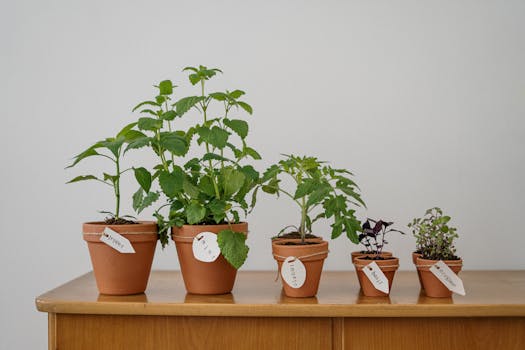
Digital 3-in-1 Soil Moisture & pH Meter
Accurate probe to test deep root zone moisture and prevent accidental overwatering.
Mulch is your best friend. Spread a two- to three-inch layer of organic mulch such as shredded bark or wood chips over the root zone. Keep the mulch a few inches away from the trunk to prevent rot. Mulch conserves moisture, keeps soil cool in summer, and protects roots from winter freeze-thaw cycles. It also adds organic matter as it decomposes, which dogwoods love.
Do not fertilize a newly planted dogwood for at least the first year. The tree needs to focus on root establishment, not leaf growth. If you feel you must feed it, use a very light application of a nitrogen-only product in early spring of the second year. Avoid high-phosphorus fertilizers, which can harm the delicate root system. Over-fertilizing is one of the most common mistakes when learning how to plant dogwood tree successfully.
You may also enjoy reading: Make 5 Quick Fake Wasp Nests With a Paper Bag.
Step 5: Maintain for Long-Term Health
After the first year, your dogwood will need less hands-on care, but a few habits will keep it thriving. Prune only to remove dead, damaged, or crossing branches. Do this in late winter while the tree is still dormant. Dogwoods bleed sap if pruned in early spring, but that is not harmful. Avoid heavy pruning. These trees have a naturally beautiful shape.
Watch for common issues like dogwood anthracnose or powdery mildew. Good air circulation and proper watering help prevent these diseases. Water at the base of the tree rather than overhead. Wet leaves encourage fungal growth. If you spot signs of trouble, consult your local extension office for advice specific to your region.
Leave some of the bright red berries on the branches through winter. Birds rely on them as a food source when other options are scarce. The berries also add winter interest to your landscape. As the tree matures, its leaves will decompose quickly beneath it, enriching the soil with organic matter. That is nature’s own fertilizer. With these steps, your dogwood will reward you with decades of changing beauty.
Frequently Asked Questions About Planting Dogwood Trees
Can I plant a dogwood tree in full sun?
Some varieties tolerate full sun, but most dogwoods prefer dappled shade. In hot climates, full sun can scorch the leaves and stress the tree. Morning sun with afternoon shade is ideal. If you must plant in a sunny spot, choose a cultivar bred for sun tolerance, such as the ‘Appalachian Spring’ dogwood.
When is the best time to plant a dogwood tree?
Spring is the best time for bare-root saplings, just before new growth begins. You can also plant in autumn, at least four to six weeks before the ground freezes. Fall planting gives the roots time to establish before winter. Container-grown dogwoods can be planted any time the ground is workable, but spring and fall are still optimal.
How fast does a dogwood tree grow?
Dogwoods are slow to moderate growers. Most species add about 12 to 24 inches of height per year under ideal conditions. They can take 10 to 15 years to reach full size. Patience is part of the reward. A well-cared-for dogwood can live 80 years or more.
Do I need to plant two dogwood trees for cross-pollination?
No, dogwoods are self-fertile. A single tree will produce flowers and fruit. However, planting two trees can increase fruit production and attract more pollinators. If you have the space, two trees spaced 20 feet apart make a stunning display.
Why are the leaves on my dogwood turning brown at the edges?
Brown leaf edges often indicate drought stress or wind damage. Dogwoods have shallow roots that dry out quickly. Check the soil moisture several inches down. If it is dry, water deeply. Leaf scorch can also occur from too much direct sun. Consider providing more shade or a windbreak if the tree is exposed.
Planting a dogwood tree is an investment in years of seasonal delight. Follow these five steps, and you will give your tree the best possible start. The first spring bloom will feel like a celebration. And every season after that will remind you why you took the time to learn how to plant dogwood tree the right way.
As an Amazon Associate, azuloz.com earns from qualifying purchases.