Wasps operate on a simple rule: avoid competition. A scouting queen looking for a place to start her colony will perform a visual sweep of the area. If she spots an existing nest, she instinctively moves on, seeking unclaimed territory. This territorial instinct is the secret behind the humble fake wasp nest. For almost no cost and in under ten minutes, a brown paper bag can be transformed into a decoy that exploits this behavior, keeping your porch, patio, or garden free from unwanted tenants. Let’s look at five quick methods to create these decoys, each using a standard paper bag as a starting point.
Why a Paper Bag Works as a Wasp Deterrent
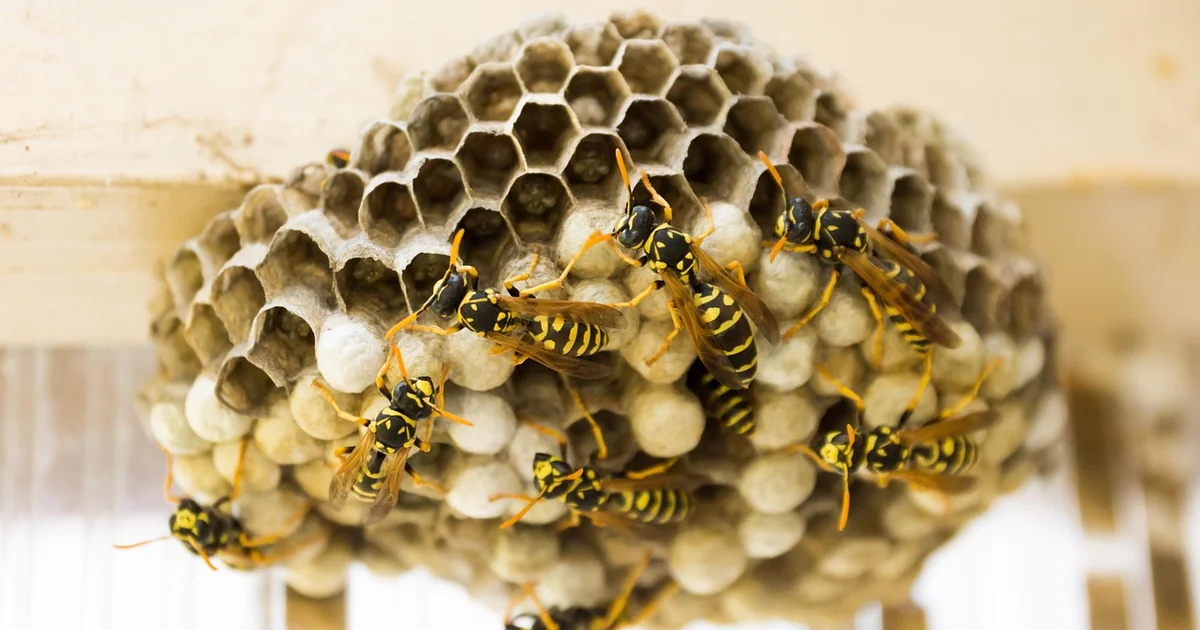
The science behind this trick is straightforward. Researchers have observed that social wasps—including yellowjackets, paper wasps, and bald-faced hornets (Dolichovespula maculata)—tend to avoid establishing new colonies within roughly 20 feet (about 6 meters) of an active nest. The risk of conflict and competition for food sources makes it not worth the effort for a foundress queen.
A fake wasp nest capitalizes on this by mimicking the visual cues of an established colony. However, this trick only works during a specific window. In early spring (typically April to May, depending on your climate), queens emerge from hibernation and begin scouting. They are the ones making the decisions. Once a colony is established, worker wasps are less deterred by a decoy. They may investigate it and eventually ignore it. Therefore, timing is not just important—it is everything. Get your decoy up in March or early April, or do not bother.
Each of these methods uses a common brown paper lunch bag as its foundation. The goal is always the same: create a grayish, papery, irregular surface that reads as “nest” from a distance. Scout wasps perform a quick visual survey, not a thorough inspection. Shape and general texture trigger the territorial response, not fine detail.
1. The Classic Stuffed Lunch Bag
Materials: Standard brown paper lunch bag, crumpled newspaper or plastic bags, twine or string.
Steps: Crumple the newspaper into a ball. Stuff it into the bag until it forms a rough oval or teardrop shape. Gather the open end of the bag and tie it securely with twine, leaving a long tail for hanging. Crinkle the entire outer surface of the bag to break up its flat, manufactured appearance.
Why it works: The resulting shape and papery texture closely resemble the outer shell of a hornet nest. From a distance, a scout wasp sees the familiar silhouette and general texture, triggering its territorial avoidance response. This is the fastest method, taking about 30 seconds. It is the perfect entry point for anyone wanting to test the fake wasp nest strategy without any investment.
2. The Grey-Toned Painted Decoy
Materials: Brown paper bag, gray spray paint or acrylic paint, newspaper for stuffing, twine.
Steps: Stuff the bag as described in Method 1. Before tying it off, lightly mist the exterior with gray spray paint. You are not aiming for a solid coat—just a mottled, weathered look. Natural wasp nests are often a faded, papery gray. Let the paint dry completely before handling. Add a few dark pencil or charcoal marks to simulate the individual paper cells visible on the outside of a real nest.
Why it works: While standard brown is acceptable, a grayish hue more accurately mimics the aged appearance of a mature nest. For wasps that are slightly more discerning, this extra step adds a layer of realism that can make the difference between a scout moving on or moving in. The pencil marks are likely unnecessary for most species, but they certainly do not hurt. This method adds about five minutes to the process but yields a noticeably more authentic-looking decoy.
3. The Twisted and Textured Nest
Materials: Paper bag, plastic grocery bags, twine.
Steps: Instead of simply stuffing the bag, twist it. Start by placing a small ball of plastic bags in the bottom. Then, twist the middle section of the bag tightly before adding more stuffing to the top. This creates a more irregular, lumpy profile. Tie it off and then aggressively scrunch the entire surface. You can even twist the tied-off top to create a “stem” that mimics the attachment point of a real nest.
Why it works: Real wasp nests are rarely perfect ovals. They have lumps, bumps, and an organic irregularity. By twisting the bag, you create a more complex three-dimensional shape that better fools the visual processing of a scouting queen. The irregular surface casts more varied shadows, enhancing the illusion. This method takes a bit more effort but produces a decoy with a highly convincing, organic silhouette.
4. The Tape-Reinforced Weatherproof Bag
Materials: Brown paper bag, clear or brown packing tape, stuffing (plastic bags work best), twine.
Steps: Stuff the bag and shape it as desired. Then, cover the entire outer surface with strips of packing tape. Overlap the tape slightly to create a smooth, waterproof shell. You can crinkle the tape as you apply it to maintain a textured look. Tie off the top and hang it.
Why it works: The biggest weakness of a paper bag decoy is moisture. Rain softens the paper, causing it to collapse and lose its shape. The lignin fibers in the kraft paper break down quickly when wet. A layer of packing tape creates a durable, waterproof barrier that can withstand several weeks of spring weather. This extends the effective lifespan of your fake wasp nest significantly, ensuring it remains convincing throughout the critical scouting period. This is an excellent option for rainy climates or for anyone who wants a set-it-and-forget-it solution.
5. The Fabric-Overlay Reusable Decoy
Materials: Paper bag (as a mold), stuffing, gray or brown fabric (an old t-shirt or felt works well), twine or string, scissors.
Steps: Stuff and shape your paper bag as usual. Drape the fabric over the stuffed bag, pulling it tight to conform to the oval shape. Tie the fabric tightly at the base with twine. Trim any excess fabric. You can leave the paper bag inside as permanent stuffing, or carefully remove it, leaving a fabric shell that you can re-stuff next season.
Why it works: This method combines the best of both worlds: the easy shaping of a paper bag with the durability of fabric. Fabric is breathable but does not disintegrate in the rain. A fabric-overlay decoy can be stored flat and reused for several seasons. This is the most sustainable option and, with a little effort, produces a very convincing, long-lasting decoy. It is the only method on this list that effectively becomes a permanent fixture of your pest control strategy.
You may also enjoy reading: Ways to Remove Stains From Tiles Without Causing Damage.
Where to Hang Your Fake Wasp Nest for Maximum Effectiveness
Placement is just as critical as construction. A fake wasp nest hidden behind a fern or tucked under a dark corner is useless. It must be visible to aerial scouts.
- Shelter: Hang the decoy under a porch eave, deck overhang, patio umbrella, or pergola beam. This protects it from rain and direct sun, extending its life.
- Visibility: Ensure the nest is out in the open. It should be easily seen from a distance. Tucking it away defeats the purpose.
- Spacing: Wasps have a territorial radius of roughly 20 feet. Hang one decoy per potential nesting zone. Do not cluster them together. Space them out to cover different areas of your property.
- Height: Hang the decoy at least 6 to 8 feet off the ground. This mimics the natural placement of many wasp nests and keeps it out of reach of children and pets.
Common Mistakes to Avoid With Your Fake Wasp Nest
Even a well-made decoy will fail if it is used incorrectly. Here are the most common pitfalls to avoid.
Hanging It Too Late
If you wait until May or June, you are likely past the scouting window. The queens have already chosen their nesting sites. The decoy will do little to deter an established colony. Get it up early or do not bother.
Placing It in a Hidden Spot
Scout wasps need to see the decoy from a distance. Tucking it behind a plant, under a dark corner, or inside a shed renders it invisible. The decoy must be out in the open to work.
Using a Bag That Is Too Small or Too Flat
A standard lunch bag is the right size. A tiny snack bag will not look convincing. Similarly, a bag that is not stuffed enough will look flat and obviously fake. Make sure your decoy has a robust, three-dimensional shape.
Forgetting to Check on It After a Storm
A paper bag decoy is vulnerable to weather. After a heavy rain or windstorm, check to see if it has collapsed or torn. Replace it as needed to ensure continuous protection throughout the spring.
Frequently Asked Questions About Fake Wasp Nests
How long does a paper bag fake wasp nest last?
A standard stuffed paper bag without reinforcement typically lasts 4 to 6 weeks before rain and wind degrade it. A tape-reinforced decoy can last an entire season. A fabric-overlay decoy can last for several years with proper storage. You should replace or refresh the decoy annually, as the visual cues can fade over time due to UV degradation.
Will a fake wasp nest work on all types of wasps?
It is most effective against social wasps that are highly territorial, such as yellowjackets (Vespula species), paper wasps (Polistes species), and bald-faced hornets. It is less likely to work on solitary wasp species like mud daubers or cicada killers, which do not form colonies and therefore have no territorial avoidance instinct.
Can I use a plastic bag instead of a paper bag?
A plastic grocery bag is not ideal. It has a shiny, smooth surface that does not resemble the papery, matte texture of a natural nest. However, you could stuff a plastic bag and wrap it in brown paper or fabric to achieve the right look and texture. The key is the visual and tactile texture, which plastic alone cannot provide.
How early in the year should I hang the decoy?
You need to hang the decoy before the queens start scouting. In most temperate climates, this means late March or early April. If you wait until May, there is a good chance a queen has already selected a nesting site on your property. Observing local conditions is your best guide. If you see wasps early, put the decoy up immediately.
What if wasps already have a nest in my yard?
A fake wasp nest is a preventative measure, not a removal tool. If a colony is already established, the decoy will do little to deter the worker wasps. You will need to remove the existing nest first, using appropriate safety measures or a professional pest control service. Once the nest is removed, hang the decoy to prevent future queens from nesting in that spot.
The fake wasp nest is a testament to the principle of working with nature. It is inexpensive, requires minimal effort, and is surprisingly effective when applied correctly. The key takeaways are simple: use a brown paper bag, mimic the texture and shape of a real nest, hang it early in the spring, and place it in a visible, sheltered location. Do these things, and you will have harnessed the wasp’s own territorial nature to protect your home.