Understanding Daffodil Classification
Every spring, gardens across the country burst into color as the first bulbs emerge from the soil. Among the earliest and most reliable performers are daffodils, which have been cultivated for centuries and now exist in thousands of registered forms. The Royal Horticultural Society recognizes 13 official divisions of daffodil varieties, each with distinct characteristics in petal shape, cup form, and bloom timing. Whether you are a seasoned gardener or a beginner, understanding these categories helps you select the right bulbs for your landscape.
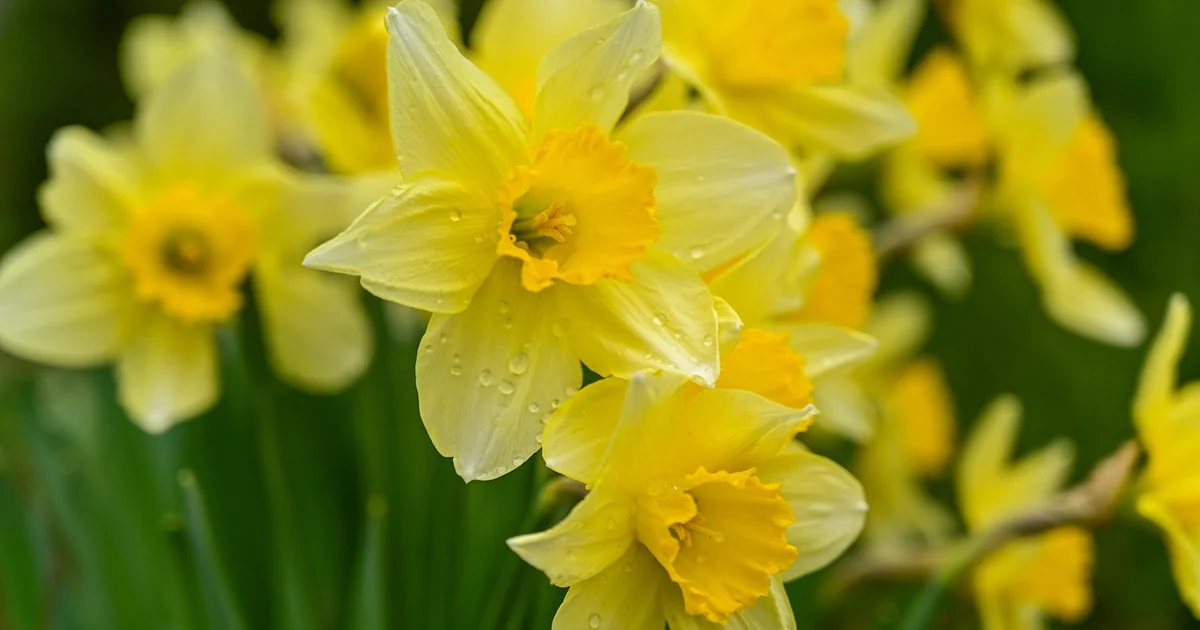
Daffodils belong to the genus Narcissus, a name that traces back to Greek mythology. Modern breeding programs have produced an astonishing range of colors, from pure white to deep orange and even pink. More than 27,000 registered cultivars exist worldwide, though only a fraction are widely available to home gardeners. The 13 divisions include trumpet daffodils, large-cupped types, small-cupped varieties, double-flowered forms, triandrus hybrids, cyclamineus hybrids, jonquilla types, tazetta hybrids, poeticus varieties, bulbocodium hybrids, split-cupped daffodils, miscellaneous types, and species wild forms.
Each division offers unique visual appeal and growing characteristics. Some bloom as early as February in mild climates, while others wait until May. By selecting a mix of early, midseason, and late-flowering daffodil varieties, you can enjoy continuous color for up to eight weeks each spring. The following list highlights 17 exceptional choices that will brighten any garden.
17 Stunning Daffodil Varieties for Your Garden
Jetfire
A showstopper when in bloom, Jetfire offers pure golden petals with a contrasting orange trumpet. This cyclamineus-type daffodil has a distinctive swept-back petal shape that gives it a windswept appearance. It blooms in early spring, often appearing when little else has emerged from winter dormancy. Jetfire reaches about 14 inches tall and performs best in zones 4 through 8. Plant it in full sun or partial shade with well-drained soil for the most vibrant color display.
Sentinel
Sentinel belongs to the pink-cup category of daffodil varieties and delivers a refined color contrast. Its ruffled cup sits against pure white petals, creating an elegant two-tone effect. This variety blooms during midspring and grows up to 16 inches tall. It thrives in zones 3 through 8 and requires full sun and well-drained soil. The cup color deepens as the flower matures, shifting from soft salmon to a richer rose tone over several days.
Thalia
Thalia is an heirloom variety that has been grown for generations. Its sweetly scented pure white blooms earned it the nickname orchid narcissus. Each stem produces two or three flowers, and the petals have a slightly reflexed shape that resembles a star. Thalia blooms from mid to late spring and reaches about 14 inches tall. It grows well in zones 4 through 8 and tolerates both full sun and partial shade. The fragrance is especially noticeable on warm afternoons.
Quail
Many different daffodils offer multiple blooms per stalk, and Quail is one of the most reliable in this category. It features clusters of two to four bright golden-yellow flowers per stem. The blooms are long-lasting and carry a pleasant fragrance. Quail flowers in midspring and reaches about 14 inches tall. It performs best in zones 5 through 9 and needs full sun with well-drained soil. The multiple flowers per stem make it an excellent choice for naturalizing in meadows or under deciduous trees.
Sorbet
Sorbet is a split-cup daffodil with striking cream, yellow, and orange blooms. The cup splits open and lies flat against the petals, creating a starfish-like appearance. This unique form makes Sorbet a conversation piece in any garden. It blooms during midspring and grows up to 16 inches tall. Sorbet thrives in zones 4 through 8 and prefers full sun with well-drained soil. The color combination resembles a creamy citrus dessert, which explains its name.
Barrett Browning
An heirloom favorite, Barrett Browning features a small orange cup surrounded by pristine white petals. This variety has been a garden staple since the 1940s because of its consistent performance year after year. It blooms from early to midspring and reaches about 16 inches tall. Barrett Browning grows well in zones 3 through 8 and needs full sun with well-drained soil. The compact cup size places it in the small-cupped division, giving it a delicate and refined look.
Jack Snipe
Jack Snipe is a classic white-and-yellow daffodil known for its fragrant blooms. Over time, this plant forms attractive clusters that expand naturally without needing division. It blooms during midspring and stays relatively short at about 10 inches tall. Jack Snipe performs well in zones 4 through 9 and requires full sun with well-drained soil. The reflexed petals and long cup give it a graceful, nodding habit that looks lovely in rock gardens or along pathways.
Sovereign
This remarkable yellow-orange daffodil lives up to its regal name. Sovereign contains large flowers featuring white petals and a striking split cup in shades of yellow and orange. The cup fragments create a ruffled, layered effect that adds texture to the garden. It blooms from mid to late spring and reaches up to 18 inches tall, making it one of the taller options in this list. Sovereign thrives in zones 3 through 8 and needs full sun with well-drained soil.
Romance
Romance is a delightful pink-cup daffodil featuring gorgeous rose-pink cups set off by elegant white petals. The cup color intensifies as the flower ages, starting as a soft blush and deepening to a richer pink. It blooms during midspring and reaches about 16 inches tall. Romance grows well in zones 4 through 8 and prefers full sun with well-drained soil. This variety pairs beautifully with blue-flowering bulbs like grape hyacinths for a complementary color scheme.
Tahiti
If you are looking for daffodils that will instantly brighten up your cut flower garden, Tahiti is a dependable choice. It features soft-yellow flowers adorned with a ruffled double cup flecked with red-orange. The double form gives each bloom a full, lush appearance similar to a gardenia. Tahiti flowers during midspring and reaches about 16 inches tall. It performs well in zones 3 through 8 and needs full sun with well-drained soil. The sturdy stems make it an excellent option for bouquets.
Canaliculatus
Canaliculatus is an adorable miniature daffodil offering stunning clusters of white and yellow fragrant flowers on each stem. Each bulb produces multiple stems, creating a carpet of color over time. This variety blooms from early to midspring and stays very short at about 6 inches tall. Canaliculatus is notably heat-tolerant and performs well in zones 6 through 10, making it a great choice for southern gardeners who struggle with other daffodil varieties. It needs full sun and well-drained soil.
Petit Four
Petit Four is an award-winning daffodil variety with white petals and a double apricot-pink cup. The cup layers create a peony-like appearance that draws attention from across the garden. Its long-lasting fragrant flowers bloom in late spring, extending the daffodil season when earlier types have finished. Petit Four reaches up to 16 inches tall and grows best in zones 3 through 8. It tolerates full sun or partial shade and prefers moist, well-drained soil. This variety has received multiple awards from the Royal Horticultural Society for its garden performance.
Hawera
Hawera is an heirloom miniature daffodil that creates a low carpet of soft yellow flowers. Each stem produces several small, nodding blooms that sway gently in the breeze. This variety is incredibly reliable and naturalizes readily, spreading into larger clumps each year. Hawera blooms in late spring and stays about 6 inches tall. It thrives in zones 4 through 8 and tolerates both full sun and partial shade with well-drained soil. The soft yellow color pairs well with blue scilla or purple violas.
You may also enjoy reading: 5 Steps to Build Your DIY Bocce Ball Court.
Cheerfulness
True to its name, Cheerfulness is an heirloom variety that contains delightful double white and yellow blooms. Each flower looks like a miniature pom-pom, with multiple layers of petals creating a full, rounded shape. The blooms carry a sweet, heady fragrance that fills the garden. Cheerfulness flowers in mid to late spring and reaches about 14 inches tall. It grows well in zones 4 through 8 and needs full sun or partial shade with well-drained soil. This variety is excellent for forcing indoors during winter.
King Alfred
King Alfred is one of the most famous daffodil varieties ever developed. Despite its name, the original King Alfred cultivar from the 1890s has been largely replaced by improved strains, but the name persists for large golden trumpet daffodils. These classic bulbs produce enormous yellow flowers with trumpets as long as the petals. King Alfred types bloom in early to midspring and reach about 18 inches tall. They perform well in zones 3 through 8 and need full sun with well-drained soil. This is the daffodil most people picture when they think of spring flowers.
Ice Follies
Ice Follies offers a dramatic color transformation as it matures. When the flowers first open, the cup is a bright yellow that gradually fades to creamy white over several days. The petals remain pure white throughout. This large-cupped daffodil blooms in early to midspring and reaches about 16 inches tall. Ice Follies is one of the most widely planted daffodil varieties in North America because of its adaptability and reliable performance. It grows in zones 3 through 9 and tolerates a range of soil conditions as long as drainage is adequate.
Amazon US Verified
Organic Perlite Horticultural Soil Conditioner
Lightweight volcanic mineral that improves root aeration and prevents compaction.
Mount Hood
Mount Hood is a pure white trumpet daffodil that has been a garden classic since the 1930s. The flowers open with a soft lemon tinge that fades to pristine white as they mature. The trumpet is long and flared, creating a elegant profile. Mount Hood blooms in midspring and reaches about 16 inches tall. It performs well in zones 3 through 8 and needs full sun with well-drained soil. This variety naturalizes beautifully and looks stunning when planted in large drifts under deciduous trees.
Frequently Asked Questions About Daffodil Varieties
How many types of daffodils exist?
Over 27,000 registered daffodil cultivars exist worldwide, though only about 200 to 300 are commonly available through garden centers and bulb catalogs. The Royal Horticultural Society organizes them into 13 official divisions based on flower shape and structure.
Which daffodil varieties bloom the earliest?
Cyclamineus hybrids like Jetfire and February Gold are among the earliest bloomers, often flowering in late winter or very early spring. Tazetta varieties such as Canaliculatus also bloom early and perform well in warmer climates.
Are there daffodil varieties that grow well in warm climates?
Yes, certain daffodil varieties tolerate heat better than others. Canaliculatus thrives in zones 6 through 10, and tazetta types generally handle warmer conditions. Paperwhite narcissus, though not technically a true daffodil, also performs well in southern gardens.
Do all daffodil varieties have a fragrance?
Not all daffodils are fragrant, but many are. Jonquilla types like Quail and tazetta hybrids tend to have the strongest scent. Thalia, Cheerfulness, and Petit Four are also known for their pleasant fragrance. Trumpet daffodils generally have a milder or absent scent.
How long do daffodil bulbs last in the ground?
With proper care, daffodil bulbs can bloom for 5 to 10 years or longer without needing replacement. They naturalize by producing offsets, which increases the size of the clump over time. Dividing the clumps every 3 to 5 years helps maintain vigorous flowering. Deadheading is not required for health, but removing spent blooms can improve the garden’s appearance.
Selecting the right mix of early, midseason, and late-flowering daffodil varieties ensures your garden stays bright from late winter through late spring. With hundreds of options across 13 divisions, there is a daffodil for every garden style, climate zone, and color preference.
As an Amazon Associate, azuloz.com earns from qualifying purchases.