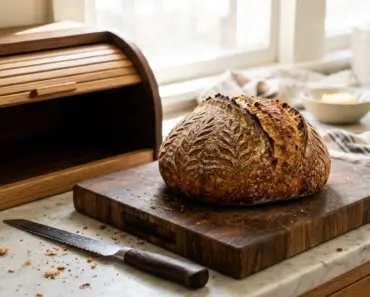
Imagine your garden bursting with golden trumpet-shaped blooms from early summer until the first frost. That is the promise of Tecoma stans, commonly known as yellow bells. This large tropical shrub delivers a dazzling display of bright yellow flowers that attract hummingbirds, bees, and butterflies. With its extreme heat and drought tolerance, yellow bells is a low-maintenance choice for gardeners in warm climates.
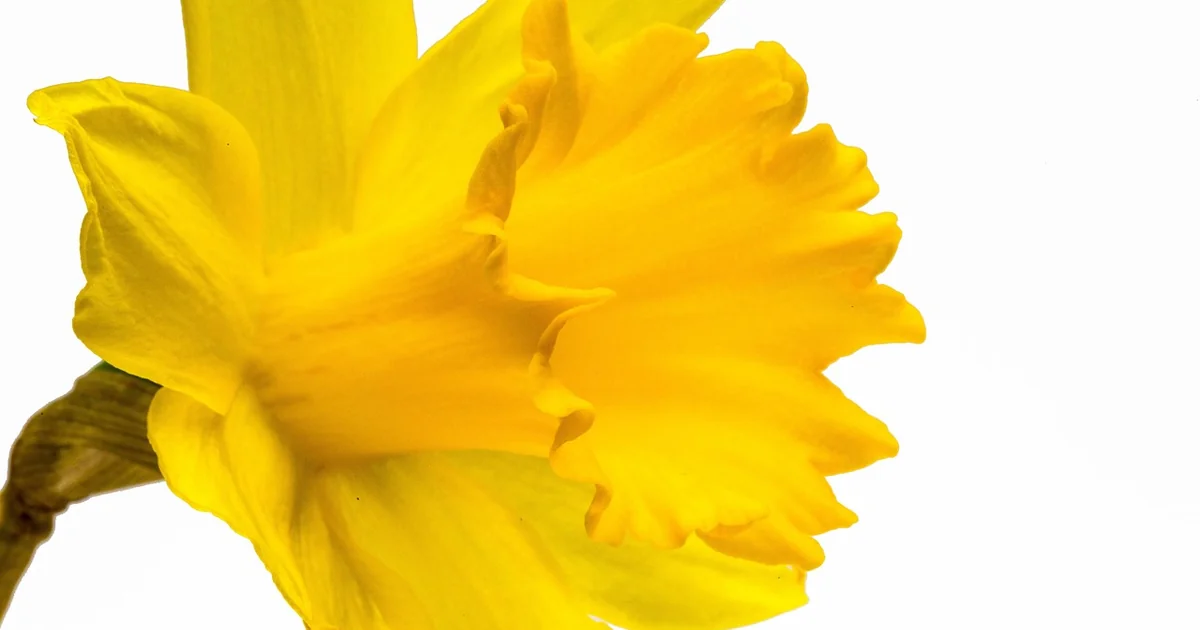
Pro Tips for Thriving Yellow Bells
1. Choose a Sunny Location with Excellent Drainage
Yellow bells crave sunlight. For the most abundant blooms, plant your shrub in a spot that receives at least six hours of direct sun each day. Full sun encourages the largest number of flowers and keeps the foliage dense and glossy. While the plant tolerates partial shade, you will notice fewer blossoms and a looser growth habit.
Equally important is soil drainage. Yellow bells are vulnerable to root rot if left in soggy ground. Before planting, test your soil by digging a small hole and filling it with water. If the water takes more than a few hours to drain, amend the soil with compost or coarse sand. Raised beds or slopes work well for improving drainage naturally. This step is critical when you grow yellow bells in heavy clay soils.
2. Plant at the Right Time and Depth
Timing matters. Set your yellow bells shrub in the ground in mid-spring, after the last frost has passed. The soil should be warm enough to encourage root growth before the summer heat arrives. Dig a hole at least twice the width of the root ball and exactly as deep as the container. Loosen the soil in the hole and mix in a generous amount of compost or aged manure to improve fertility and drainage.
Place the shrub at the same depth it was growing in the nursery pot. Backfill with the amended soil, pressing down gently to remove air pockets. Water thoroughly after planting to settle the soil. Space multiple plants about four feet apart to allow for their mature spread of 3 to 4 feet. This spacing also creates a dense hedge or privacy screen over time.
3. Feed with the Right Fertilizer at the Right Time
Yellow bells are not heavy feeders, but they benefit from targeted nutrition. At planting time, work a slow-release fertilizer with an NPK ratio of 19-5-9 into the soil at a rate of 2 cups per 100 square feet. This balanced formula supports strong root development and steady growth during the first season.
For mature plants, apply ammonium phosphate fertilizer each spring at a rate of two-thirds cup per shrub. Sprinkle it around the drip line and water it in well. Avoid over-fertilizing, which can lead to lush foliage at the expense of flowers. A single annual feeding is usually enough to keep your yellow bells blooming from June until frost.
4. Water Wisely and Mulch to Conserve Moisture
Although yellow bells are drought-tolerant once established, they need consistent moisture during their first growing season. Water deeply once or twice a week, allowing the soil to dry slightly between waterings. After the first year, you can reduce watering to every two to three weeks during dry spells. The plant’s natural resilience means it can handle periods of neglect without serious damage.
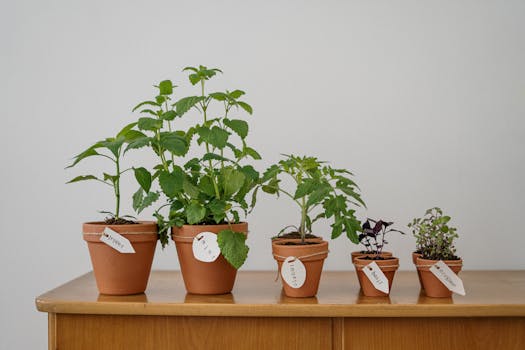
Amazon US Verified
Digital 3-in-1 Soil Moisture & pH Meter
Accurate probe to test deep root zone moisture and prevent accidental overwatering.
Apply a 2- to 3-inch layer of organic mulch around the base of the shrub, keeping it a few inches away from the stem. Mulch helps retain soil moisture, regulates temperature, and suppresses weeds. It also adds organic matter as it decomposes. Avoid piling mulch against the trunk, as this can promote rot.
5. Prune Annually for Shape and Health
Pruning is essential to keep yellow bells looking their best and to encourage vigorous new growth. The ideal time is late winter or early spring, after the danger of frost has passed but before new growth begins. Remove any dead, damaged, or crossing branches at the base. If the shrub has become leggy, you can cut it back by up to one-third to promote a bushier form.
In colder zones where the plant dies back to the ground (temperatures below 25°F), simply cut all dead stems to ground level in early spring. The shrub will regrow quickly from the roots and still bloom that same summer. For container-grown yellow bells, prune lightly after flowering to maintain a compact shape.
6. Monitor for Pests and Diseases
Yellow bells are relatively pest-resistant, but they can attract leaf skeletonizer caterpillars. These larvae chew through the leaf tissue, leaving a lacy skeleton behind. If you spot them, prune off the affected leaves or treat the plant with Bacillus thuringiensis (Bt), a biological insecticide that is safe for beneficial insects.
The most common disease issue is root rot, caused by overwatering or poorly drained soil. Prevention is the best cure: plant in well-draining soil and avoid watering too frequently. If you notice yellowing leaves or wilting despite moist soil, check the roots. Healthy roots are firm and white; rotted roots are brown and mushy. Improve drainage immediately or move the plant to a better location.
Amazon US Verified
Organic Perlite Horticultural Soil Conditioner
Lightweight volcanic mineral that improves root aeration and prevents compaction.
You may also enjoy reading: 5 Things Chefs Do First Before Chopping Onions.
7. Propagate to Expand Your Collection
You can easily increase your yellow bells stock through seeds or stem cuttings. For seeds, collect the long, bean-like pods after they turn brown and dry. Remove the papery seeds and sow them in a seed-starting mix. Keep the soil warm and moist, and germination should occur within two to three weeks.
For faster results, take 4- to 6-inch stem cuttings in late spring or early summer. Remove the lower leaves, dip the cut end in rooting hormone, and insert it into a pot filled with moist perlite or sand. Cover with a plastic bag to maintain humidity and place in bright, indirect light. Roots usually develop in four to six weeks. Once rooted, transplant each cutting into its own container and grow it out before moving to the garden.
Amazon US Verified
Self-Watering Planters with Drainage Aerators
Elevated reservoir design that prevents soggy roots and ensures steady hydration.
Frequently Asked Questions About Growing Yellow Bells
1. Are yellow bells invasive?
Yes, Florida has classified yellow bells (Tecoma stans) as invasive due to its rapid growth and ability to spread in natural areas. Check with your local extension office before planting, especially if you live in a warm, humid region. In other areas, the shrub is generally well-behaved when given proper spacing.
2. How fast do yellow bells grow?
Yellow bells are fast-growing shrubs. Under ideal conditions, they can reach their mature height of 1 to 3 feet and spread of 3 to 4 feet within two to three growing seasons. This quick growth makes them excellent for creating privacy screens or filling in garden gaps.
3. Can yellow bells survive winter?
Yellow bells are hardy in USDA zones 10 and 11. In colder zones, the plant will die back to the ground when temperatures drop below 25°F. However, the roots survive, and new growth emerges in spring. In zones 8 and 9, you can grow yellow bells as a perennial that returns each year from the roots.
4. Do yellow bells attract pollinators?
Absolutely. The trumpet-shaped flowers, especially red and orange varieties, are magnets for hummingbirds. Bees and butterflies also visit regularly. Even though the blooms have no fragrance, their vivid color and nectar draw these beneficial creatures throughout the blooming season.
5. How do I propagate yellow bells from cuttings?
Take 4- to 6-inch stem cuttings from new growth in late spring. Remove lower leaves, dip in rooting hormone, and insert into moist perlite or sand. Cover with plastic to maintain humidity and place in bright, indirect light. Roots typically form in four to six weeks. Transplant rooted cuttings into individual pots and grow them for a few months before planting outdoors.
With these seven pro tips, you can confidently grow yellow bells that thrive and reward you with months of golden blooms. Whether you plant them as a bold hedge, a container centerpiece, or a pollinator-friendly accent, these tough shrubs bring vibrant color and life to any warm-climate garden.
As an Amazon Associate, azuloz.com earns from qualifying purchases.