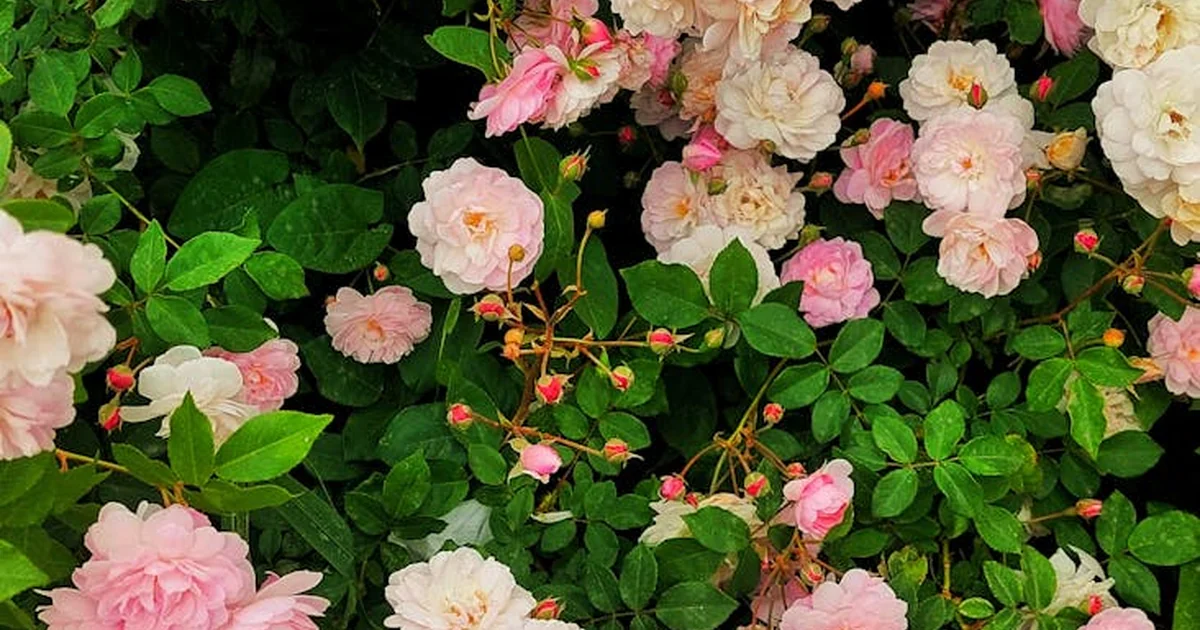
Imagine a carpet of blooms that spills over a sunny slope, softens a retaining wall, or fills a gap in your perennial border with nearly nonstop color. That is the promise of groundcover roses. These woody perennials are not a strict botanical class of their own. Instead, they are low-growing shrub roses bred to spread horizontally rather than climb or stand tall. They excel at covering ground with flowers, and they do it with a grace that many traditional groundcovers lack. They bloom for months, resist diseases well, and ask for very little in return. If you have struggled to keep other spreading plants alive or simply want a low-maintenance way to add vibrant color to your landscape, these roses offer a satisfying solution. Here are five straightforward tips for successfully growing groundcover roses in your own yard.
Tip 1: Choose the Right Site and Prep the Soil Thoroughly
The foundation of any successful planting lies in the spot you choose and the ground you prepare. Groundcover roses, like most of their relatives, are sun worshippers. They perform their best when they receive at least six hours of direct sunlight each day. More sun generally means more flowers. That said, these plants possess an impressive resistance to common rose diseases such as black spot and powdery mildew. This toughness gives them a bit of wiggle room. They can tolerate a location with partial shade, perhaps four to five hours of sun, without succumbing to the fungal issues that would plague a fussier hybrid tea rose. You might see fewer blooms in a shadier spot, but the plant will likely remain healthy and attractive.
Soil quality matters just as much as light. These roses prefer a rich, well-draining loam. They dislike having their roots sitting in soggy, waterlogged earth, which can lead to root rot. Before you dig a single hole, take a good look at your soil. Is it heavy clay that turns into concrete when dry? Is it sandy and quick to drain, lacking nutrients? The fix for both extremes is the same: organic matter. Work a generous amount of well-rotted compost, aged manure, or leaf mold into the top twelve inches of your garden bed. This amendment improves drainage in clay soils and boosts water retention in sandy ones. It also feeds the soil microbes that help your rose access nutrients. A soil pH between 6.0 and 6.5 is ideal. A simple test kit from a garden center can tell you if you need to adjust the pH with lime or sulfur.
Why Good Drainage Is Non-Negotiable
Consider this: a rose plant’s roots need oxygen as much as they need water. In compacted or poorly drained soil, the tiny air pockets between soil particles fill with water and stay that way. Roots essentially drown. A 2019 study from the University of California’s Integrated Pest Management program noted that overwatering and poor drainage are the leading causes of rose decline in home gardens, not pests or diseases. By ensuring your soil is loose and rich in organic content from the start, you prevent a host of potential problems before they ever begin. This single step is the most important investment you can make in growing groundcover roses successfully.
Tip 2: Follow the Correct Planting Method for Your Rose Type
Groundcover roses are typically sold in two forms: container-grown plants and bare-root plants. The planting technique differs slightly for each, and getting it right sets the stage for robust growth.
Planting Container-Grown Roses
These are the roses you find at garden centers in pots, often already blooming. They offer the easiest path for the home gardener. Start by digging a hole that is a little wider than the pot but the same depth. You do not want to plant the rose deeper than it was growing in its container. Slide the plant out of its nursery pot. If the roots are circling the root ball, gently tease them apart with your fingers. This encourages them to spread outward into the surrounding soil instead of continuing to spiral. Place the rose in the hole, ensuring the top of the root ball is level with the surrounding ground. Backfill the hole with the soil you removed, mixed with a handful of compost. Press down firmly with your hands to eliminate air pockets. Then, water the area deeply and slowly. A thorough soaking right after planting settles the soil around the roots.
When you are planting multiple groundcover roses to create a drift of color, spacing is critical. A general rule is to set them about four feet apart. However, always check the plant tag for the specific mature width of that variety. Some compact cultivars may only need three feet, while more vigorous spreaders might require five feet. Proper spacing allows for good air circulation, which further reduces the risk of fungal diseases. It also gives each plant enough room to develop its natural mounded, spreading shape.
Planting Bare-Root Roses
Bare-root roses are dormant plants sold without soil around their roots, usually in late winter or early spring. They are often less expensive than container plants and offer a wider variety of cultivars. Plant them as soon as the ground is workable and the last hard frost has passed. Begin by soaking the roots in a bucket of warm water for a couple of hours. This rehydrates them after their time in storage. While the roots soak, dig a hole that is about twice as wide as the root spread and slightly deeper. In the center of the hole, create a small cone of soil. Place the rose on top of this cone, spreading the roots down and around it. This technique helps the roots establish in a natural, outward direction. A critical detail for bare-root roses is the graft union — the swollen knot where the top variety is joined to the rootstock. In most climates, you should position this graft union about one inch below the soil surface. Backfill the hole with amended soil, firm it gently, and water deeply.
Tip 3: Water Smartly to Encourage Deep Roots
Watering seems simple, but the method you use has a huge impact on the long-term health of your roses. The golden rule for growing groundcover roses is to water deeply and infrequently, always at the base of the plant. A deep soaking once or twice a week, depending on rainfall and temperature, encourages roots to grow deep into the soil. Shallow, frequent sprinklings produce a shallow root system that is vulnerable to drought and heat stress. How much water is enough? Aim to moisten the soil to a depth of at least eight to ten inches. A slow trickle from a garden hose left at the base of the plant for fifteen to twenty minutes usually does the trick. Soaker hoses or drip irrigation systems are excellent tools for this task because they deliver water directly to the root zone without wetting the foliage.
Avoid the Number One Cause of Rose Disease
Overhead watering, where you spray water over the entire plant with a sprinkler, is the fastest way to invite trouble. Wet leaves, especially if they stay damp overnight, create a perfect breeding ground for fungal spores like black spot and powdery mildew. These diseases disfigure the leaves and weaken the plant over time. By keeping the water on the soil and off the leaves, you dramatically reduce the risk. This practice is so effective that many professional rose growers consider it the single most important cultural practice for disease prevention. Continue this deep watering schedule regularly until the first hard frost of autumn arrives. Consistent moisture through the growing season keeps the blooms coming.
You may also enjoy reading: 7 Best Twin Mattresses The Spruce Tested.
Tip 4: Mulch and Manage Weeds Without Harming Your Roses
Here is a reality check about groundcover roses: they do not form a dense, impenetrable mat like creeping phlox or ajuga. Their growth habit is more open and airy. While this gives them a lovely, natural look and allows them to weave around neighboring plants without smothering them, it also means they leave plenty of gaps for weeds to pop through. A two- to three-inch layer of organic mulch is your best defense. Spread shredded bark, wood chips, pine straw, or composted leaf mold around the base of each plant. This mulch layer blocks sunlight from reaching weed seeds, preventing them from germinating. It also helps regulate soil temperature, keeping roots cooler in summer and warmer in winter. As the mulch breaks down over time, it adds more organic matter to the soil, feeding your roses naturally.
Apply mulch carefully. Do not pile it up against the main stems or canes of the rose. Leave a few inches of bare soil around the base of the plant. Piling mulch against the stems, a practice sometimes called “volcano mulching,” can trap moisture against the bark and lead to rot or disease. Keep the mulch layer even and pull it back from the crown. If weeds do manage to push through, pull them by hand while they are small. A sharp hoe can also work, but be careful not to damage the shallow roots of the rose. A little bit of regular weeding effort early in the season saves you from a much bigger chore later.
Tip 5: Prune Lightly and Feed Only When Needed
One of the greatest joys of groundcover roses is how little they demand in terms of pruning and feeding. Unlike hybrid tea roses that require precise cuts and constant deadheading, groundcover varieties are far more forgiving. Deadheading — the removal of spent flowers — is not necessary. These roses are often self-cleaning, meaning they drop their old petals naturally and keep producing new blooms without your help. However, a light pruning once a year in early spring is beneficial. As new growth begins to emerge, take a pair of clean, sharp pruners and remove any dead, damaged, or crossing canes. You can also trim back the tips of the longest shoots to encourage a bushier, more compact shape. This annual tidy-up keeps the plants looking fresh and prevents them from becoming too leggy.
Feeding Strategy for Continuous Blooms
Groundcover roses are not heavy feeders. Over-fertilizing can actually harm them, leading to excessive leafy growth at the expense of flowers and making them more attractive to pests like aphids. A light feeding program works best. Apply a balanced, controlled-release fertilizer formulated for roses once in early spring, just as the leaves begin to unfurl. If your soil is naturally rich or you amended it well with compost at planting time, one feeding may be enough for the entire season. If you notice the plants looking a bit pale or if the blooms slow down in midsummer, you can give them a second light feeding in early summer. Always follow the dosage instructions on the fertilizer package. More is not better. For roses growing in containers, the nutrients leach out faster with each watering. Potted groundcover roses will benefit from a slow-release fertilizer mixed into the potting soil at planting time, followed by a diluted liquid fertilizer every four to six weeks during the growing season.
Overwintering Your Groundcover Roses
Hardy in USDA Zones 5 through 10, these roses can handle a fair amount of cold. But winter can still be tough on them, especially in the colder end of their range. A little preparation in late fall helps them survive and thrive the following spring. After the first hard frost, apply a fresh layer of mulch around the base of the plants. A thick layer, about four to six inches, of straw, shredded leaves, or pine bark insulates the roots from freezing and thawing cycles. In very windy locations, consider erecting a simple windbreak. A piece of burlap stapled to a few wooden stakes placed on the windward side of the planting can prevent winter winds from drying out and damaging the canes. Do not prune in the fall. The old canes and foliage provide some protection. Wait until spring to do your cleanup and pruning. With this minimal effort, your groundcover roses will return year after year, expanding their colorful presence in your garden.
These five tips — site preparation, proper planting, smart watering, mulching, and minimal pruning and feeding — form a simple, reliable framework for success. Growing groundcover roses does not require a master gardener’s certificate or a chemistry degree. It requires understanding a few basic principles and then letting the plant do what it does best. These low-growing shrub roses are generous partners in the garden. They ask for a sunny spot, decent soil, and a drink now and then. In return, they give you months of flowers that spill over edges, fill empty spaces, and bring a soft, romantic feel to any landscape. They are courteous neighbors to other plants, resistant to many common rose ailments, and forgiving of the occasional mistake. If you have a patch of sun and a desire for easy, long-lasting color, give groundcover roses a try.