For the self-sufficient gardener or homeowner, tackling weeds can be a daunting task. Every year, it seems, they seem to multiply and grow with an alarming speed, threatening to engulf our gardens and lawns. The good news is that there are effective DIY weed killers that can help us regain control without breaking the bank or harming the environment.
Why Choose DIY Weed Killers?
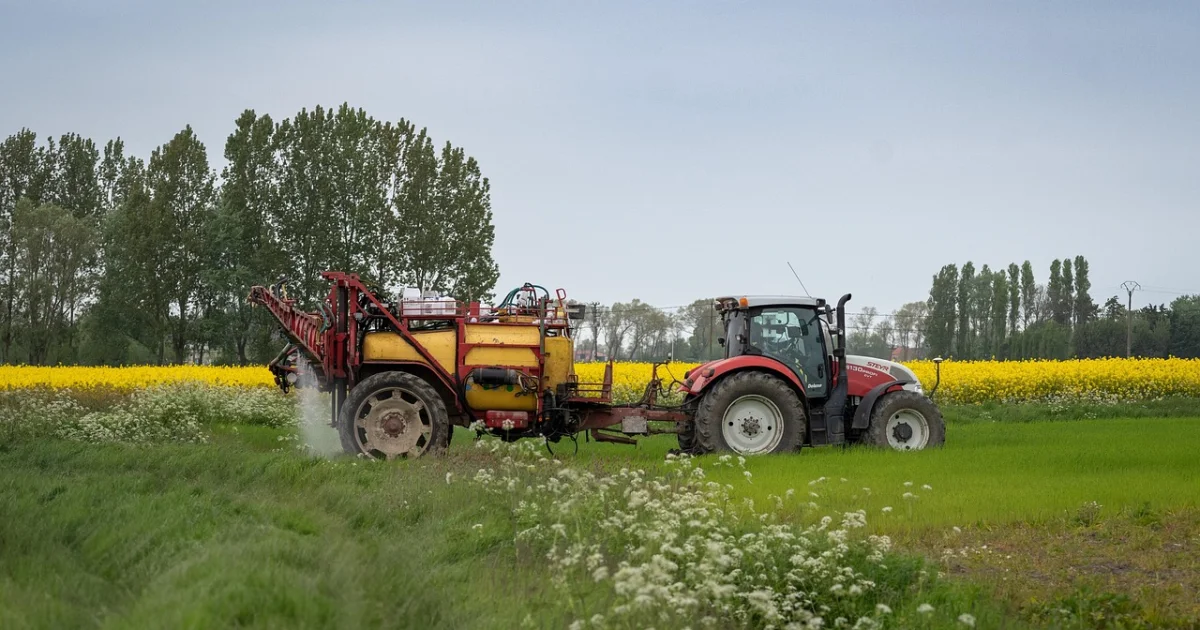
When it comes to weed control, many of us turn to chemical-based products, which can be detrimental to the environment and our health. These harsh chemicals can contaminate soil, waterways, and even affect local wildlife. On the other hand, DIY weed killers offer a more eco-friendly and cost-effective solution. Not only can they be made from readily available household items, but they also allow us to take control of our gardening and lawn maintenance without relying on commercial products.
The Top 3 Most Effective DIY Weed Killers
1. Vinegar-Based Weed Killer
Acetic acid, the main active ingredient in vinegar, is a natural herbicide that can effectively kill weeds without harming the environment. To make this DIY weed killer, mix 1 cup of white vinegar with 1 gallon of water. Spray the solution directly onto the weeds, making sure to saturate the leaves and stems. The acetic acid will break down the cell walls of the weeds, causing them to wither and die. This method is particularly effective for small weeds and weeds that are in the early stages of growth.
One of the reasons vinegar-based weed killers work so well is that they disrupt the pH balance of the soil, making it unfavorable for weeds to grow. Additionally, vinegar can also kill weeds by damaging their cell membranes, causing them to dehydrate and die. This process is quick and efficient, with results visible within a few days.
2. Boiling Water Weed Killer
Boiling water is another effective DIY weed killer that’s easy to prepare and use. Fill a kettle or pot with water and bring it to a boil. Carefully pour the boiling water over the weeds, making sure to scald the leaves and stems. This method is particularly effective for weeds that are growing in cracks and crevices, as the boiling water can penetrate deep into the soil and kill the roots.
Boiling water works by killing weeds through a process called desiccation. The hot water damages the cell membranes of the weeds, causing them to lose water and wither away. This method is also effective for killing weeds that are resistant to vinegar or other herbicides.
3. Salt-Based Weed Killer
Salt-based weed killers are a popular DIY option for killing weeds, particularly those that are difficult to eradicate. To make this DIY weed killer, mix 1 cup of salt with 1 gallon of water. Spray the solution directly onto the weeds, making sure to saturate the leaves and stems. The salt will dehydrate the weeds, causing them to die. This method is particularly effective for weeds that are growing in areas with poor drainage, as the salt can help to break down the soil and reduce the weed’s ability to absorb water.
One of the reasons salt-based weed killers work so well is that they disrupt the soil’s osmotic balance, making it difficult for weeds to absorb water. This leads to a process called desiccation, where the weeds dry out and die. This method is also effective for killing weeds that are growing in areas with poor soil quality.
Comparing the Cost-Effectiveness of Each Method
When it comes to cost-effectiveness, each of these DIY weed killers has its own advantages. Vinegar-based weed killers are the most cost-effective, as vinegar is a readily available household item. Boiling water weed killers are also inexpensive, as water is free and easily accessible. Salt-based weed killers are more expensive, as salt can be costly, especially in large quantities.
However, when you consider the environmental impact and long-term benefits of each method, the cost-effectiveness of these DIY weed killers becomes even more apparent. By using natural ingredients and avoiding chemical-based products, we can reduce our carbon footprint and create a healthier environment for our gardens and lawns.
You may also enjoy reading: 7 Surprising Reasons Your Hydrangea Leaves Are Turning Yellow and How to Ditch Rusty….
Highlighting the Environmental Impact of DIY Weed Control
One of the biggest benefits of DIY weed killers is their environmental impact. By using natural ingredients and avoiding chemical-based products, we can reduce our carbon footprint and create a healthier environment for our gardens and lawns. Not only do these DIY weed killers eliminate the need for harsh chemicals, but they also promote sustainable gardening practices and reduce waste.
Additionally, by using DIY weed killers, we can also promote biodiversity in our gardens and lawns. By creating a balanced ecosystem, we can encourage beneficial insects and microorganisms to thrive, which in turn helps to control weed growth and promote overall plant health.
Common Questions and Concerns
What if I Don’t Have Access to Vinegar or Salt?
While vinegar and salt are the primary ingredients in these DIY weed killers, there are alternative options available. For vinegar, you can substitute it with lemon juice or citrus-based cleaners. For salt, you can use Epsom salt or sea salt as a substitute. Keep in mind that these alternatives may not be as effective, but they can still provide decent results.
How Do I Determine Which DIY Weed Killer is Best for My Specific Weed Type?
When it comes to determining which DIY weed killer is best for your specific weed type, it’s essential to consider the type of weed, its size, and its growth habits. For small weeds, vinegar-based weed killers are effective. For larger weeds or weeds that are growing in cracks and crevices, boiling water weed killers are the way to go. For weeds that are resistant to other herbicides, salt-based weed killers are the most effective option.
Why Does Boiling Water Work on Some Weeds but Not Others?
Boiling water works on some weeds but not others due to the type of cell walls present in the weed. Some weeds have thick, waxy cell walls that are resistant to boiling water, while others have thinner cell walls that are easily damaged. Additionally, the temperature of the boiling water can also affect its effectiveness. If the water is too hot, it can damage surrounding plants and soil, reducing its effectiveness.
What if These Methods Damage My Lawn?
One of the biggest concerns about DIY weed killers is the potential damage to surrounding plants and soil. However, when used properly, these DIY weed killers are generally safe and non-toxic. Vinegar-based weed killers, for example, are safe for use around flowers, shrubs, and other plants. Boiling water weed killers can damage surrounding plants if the water is too hot, so be sure to test the temperature before applying it to your lawn. Salt-based weed killers can also damage surrounding plants if used in excess, so be sure to follow the instructions carefully.