Unlocking the Mystery: Why Your Hydrangea Leaves Are Turning Yellow (and How to Fix It)
Watching hydrangeas and azaleas slowly lose their vibrant green hue, with yellowing leaves appearing like a creeping sadness, is a common source of worry for plant parents. It’s a disheartening sight, and understandably triggers a desire to quickly remedy the situation. While the old remedy of burying rusty nails in the soil persists as a folk tale, the real culprit is often much simpler – and more treatable – than you might think. Let’s delve into the surprising reasons behind hydrangea leaf yellowing and, more importantly, how to effectively restore your beloved plants to their full, flourishing glory.
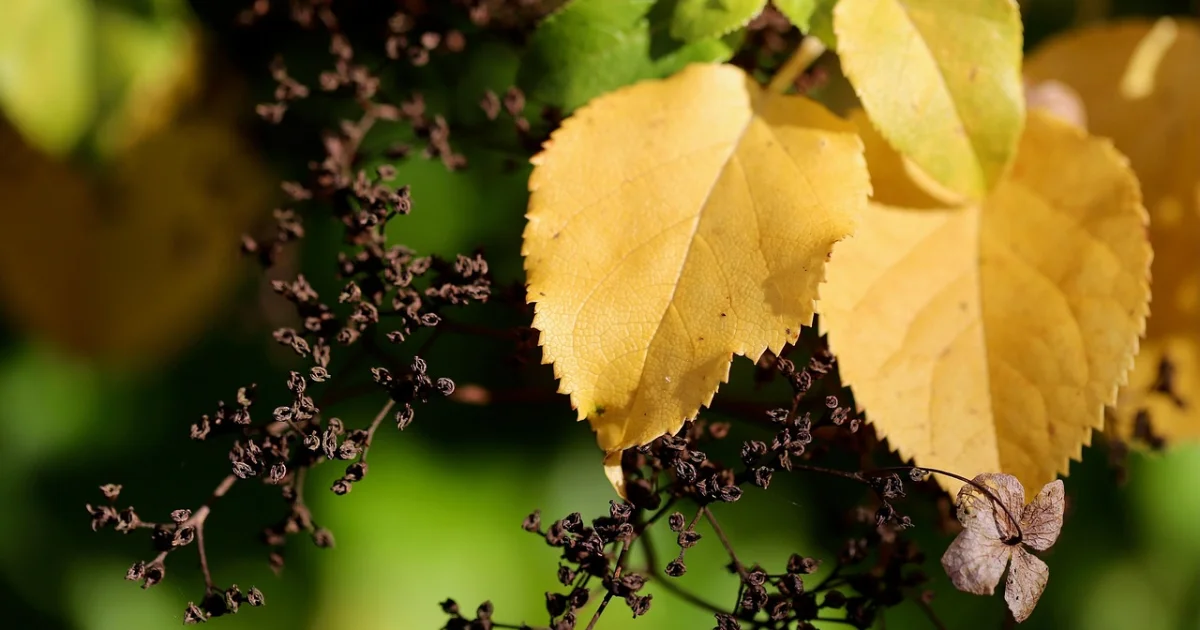
The yellowing of hydrangea leaves, specifically the interveinal chlorosis – that’s the medical term for yellowing between the veins – signals a distress call from the plant. It’s essentially its way of saying, “I’m hungry!” and desperately needs a boost of essential nutrients. But it’s not simply a lack of any nutrients; it’s overwhelmingly a lack of iron, a critical component in the plant’s ability to produce chlorophyll, the pigment responsible for its lush green color. Let’s unpack this further and discover what’s truly going on and what you can do to bring your hydrangeas back to life.
The Root of the Problem: Soil pH and Iron Availability
The key to understanding why your hydrangeas are turning yellow lies primarily in the soil’s pH level. Hydrangeas and azaleas are notoriously sensitive to soil acidity, thriving best when the pH sits comfortably between 4.5 and 6. This isn’t a casual preference; it’s a fundamental requirement for these plants to effectively absorb essential nutrients. When the soil pH drifts too high—becoming alkaline—it creates a significant obstacle that prevents roots from accessing even the iron present in the soil.
Think of it like a locked door. The iron is there, available and ready to be absorbed, but the alkaline soil acts as a barrier, blocking the roots’ ability to unlock and utilize it. Even if the soil is rich in iron, the plant simply cannot absorb it in an alkaline environment. This is why you’ll often see yellowing leaves on the newer growth – it’s the first to be affected when the plant’s iron supply is compromised. The older leaves might remain green longer, providing a misleading impression of overall health. Bigleaf hydrangeas ( Hydrangea macrophylla), in particular, are known for their susceptibility to this condition, often referred to as “bigleaf chlorosis.” They’re particularly vulnerable to the effects of low iron availability.
The rusty nail remedy, while stemming from a desire to provide a readily available source of iron, actually exacerbates the problem. Rust contains iron, yes, but it’s present in a form that’s difficult for the plant’s roots to process effectively. The soil pH then further neutralizes much of that iron before the roots even have a chance to utilize it. It’s a well-intentioned but ultimately inefficient solution. It’s akin to providing a key to a locked door—it’s present, but it doesn’t open the door.
Beyond the Myth: Diagnosing the Root Cause
Before reaching for any quick fixes, it’s crucial to accurately diagnose the underlying cause of the yellowing leaves. While iron deficiency is the most common culprit, other factors can contribute, though they are less frequently the primary driver. Let’s look at some other possibilities:
1. Overwatering: The Silent Threat
Overwatering is a surprisingly frequent cause of yellowing leaves, not just in hydrangeas but in many plants. Excess moisture can suffocate the roots, preventing them from absorbing oxygen and nutrients, including iron. When the roots can’t breathe, they become less efficient at transporting essential elements throughout the plant. Symptoms of overwatering often include soggy soil, yellowing leaves (sometimes with brown spots), and a general decline in plant vigor. Ensure your hydrangea is planted in well-draining soil and allow the top inch or two to dry out between waterings.
2. Nutrient Imbalances (Other Than Iron)
While iron deficiency is the most common problem, a lack of other essential nutrients – like manganese or magnesium – can also contribute to yellowing. These nutrients play supporting roles in chlorophyll production and overall plant health. However, addressing an iron deficiency is almost always the first and most impactful step.
3. Root Rot: A Serious Concern
Root rot, often caused by fungal pathogens, can severely compromise a hydrangea’s ability to absorb water and nutrients. This can manifest as yellowing leaves, wilting stems, and a generally weakened plant. It’s often difficult to detect early on, but carefully examining the roots (after gently digging around the plant) can reveal signs of decay – dark, mushy roots instead of firm, white roots. Proper drainage and avoiding overwatering are crucial for preventing root rot.
The Solution: Delivering Iron Effectively
Once you’ve confirmed that iron deficiency is the primary cause, the next step is to provide the plant with a readily available form of iron. Simply adding rusty nails to the soil won’t cut it. Instead, opt for a liquid iron supplement specifically formulated for acid-loving plants like hydrangeas and azaleas. These products contain chelated iron, which means the iron is bound to an organic molecule that prevents it from being locked up by the alkaline soil. This allows the plant to actually absorb and utilize the iron effectively.
Here are a few options to consider:
- Liquid Iron Chelates: These are highly recommended as they are easily absorbed by the plant. Look for products specifically labeled for hydrangeas or acid-loving plants.
- Soil Drench with Acidic Solution: A diluted solution of vinegar (white vinegar is fine) can help lower the soil pH. However, be cautious and test the soil regularly to avoid over-acidifying.
Follow the product instructions carefully when applying iron supplements. Typically, you’ll want to apply the solution directly to the soil around the base of the plant, avoiding direct contact with the leaves. Applying an iron supplement in the spring, before new growth emerges, is a good starting point. Observe the leaves closely for any signs of improvement within a few weeks.
You may also enjoy reading: 11 Essential Tips for Buying, Planting, Growing, and Caring for Trees the Right Way Every….
Proactive Prevention: Maintaining Optimal Soil Conditions
Beyond treating existing symptoms, proactive soil management is key to preventing hydrangea leaf yellowing in the first place. Here are some crucial steps to take:
1. Soil Testing: The Cornerstone of Success
The single most effective step you can take is to test your soil’s pH level. A simple soil pH test kit (like the Sonkir 3-in-1 Soil pH Tester mentioned earlier) will provide you with accurate readings, allowing you to identify any imbalances and make informed adjustments. Don’t guess—know your soil! A pH reading above 7 indicates alkaline soil, while a reading below 6 indicates acidic soil.
2. Amending the Soil: Creating the Ideal Environment
If your soil pH is too high, you can gradually lower it by incorporating organic matter such as peat moss, composted pine needles, or oak leaves. These materials naturally acidify the soil over time. Incorporate these amendments into the planting area when preparing the soil for planting or during the fall.
3. Proper Watering Techniques: Avoiding Overwatering
Water deeply but infrequently, allowing the soil to dry out slightly between waterings. This encourages deep root growth, making the plant more resilient to nutrient deficiencies. Avoid overhead watering, which can promote fungal diseases. Instead, water at the base of the plant.
4. Mulching: Conserving Moisture and Regulating Soil Temperature
Applying a layer of organic mulch around the base of the hydrangea helps conserve moisture, regulate soil temperature, and suppress weed growth. This creates a healthier environment for the plant’s roots.
Bringing Your Hydrangeas Back to Life: A Patient Approach
Restoring yellowing hydrangea leaves takes time and patience. Don’t expect overnight miracles. Consistent monitoring of your plants and adjustments to your soil management practices are key. If the yellowing persists despite your efforts, it’s possible that other underlying factors are at play.
Remember, hydrangeas are remarkably forgiving plants. With a little understanding of their needs and a proactive approach to soil management, you can ensure that your hydrangeas thrive, producing spectacular blooms and adding beauty to your garden for years to come. And while the rusty nail legend might hold a kernel of truth, a scientifically informed approach to iron supplementation is undoubtedly the most effective way to banish yellow leaves and unlock your hydrangeas’ full potential.