
The Secret Weapon Against Watery Eyes and Ruined Eye Makeup
Let’s be honest, battling watery eyes is a frustratingly familiar experience for many of us. I’ve spent years wrestling with this issue – a persistent stream of tears that seems to materialize at the most inconvenient moments, always threatening to dissolve my carefully crafted eye makeup. It’s a constant battle against the elements, a frustrating dance with the weather, and a heartbreaking sight for those of us who love a bold, beautiful eye look. But after countless attempts and consultations with a leading eye specialist, Dr. Elizabeth Hawkes, I’ve finally cracked the code. It’s not about eliminating watery eyes entirely (that’s often impossible), but about significantly minimizing their impact on your makeup and regaining control over your eye aesthetic. This isn’t just about preventing eyeliner smudges; it’s about understanding the why behind the tears and implementing targeted strategies to protect your precious eye makeup.
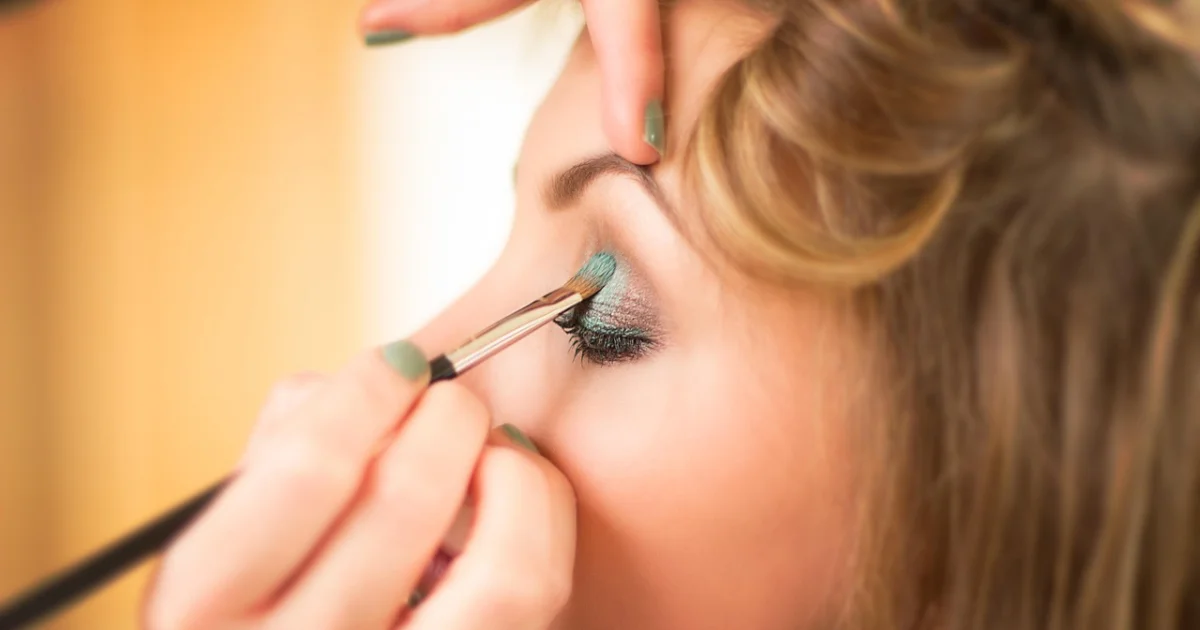
Watery eyes are a surprisingly common complaint, affecting an estimated 20-30% of the population at some point in their lives. While it might seem like a minor annoyance, persistent watery eyes can significantly detract from your makeup application and even lead to discomfort. The good news is that with a little knowledge and the right approach, you can drastically reduce the chances of your carefully applied eyeshadow and eyeliner being washed away by a rogue tear. This article is dedicated to providing you with 11 expert-approved tricks to stop watery eyes from ruining your makeup, offering a comprehensive guide to understanding the causes and implementing effective solutions.
11 Expert-Approved Tricks to Stop Watery Eyes from Ruining Your Makeup
Now that we’ve explored the underlying causes, let’s move on to the practical solutions. These 11 expert-approved tricks will help you minimize the impact of watery eyes on your makeup and maintain a flawless look.
1. Lid Hygiene: The Foundation of a Healthy Eye
Dr. Hawkes emphasizes the importance of proper lid hygiene. “Much like a thorough skincare routine and ensuring your skin is in a healthy condition to create a good base for makeup, proper cleansing and care of the eye is key here,” she states. Daily cleaning of your eyelids between your lashes is crucial, especially if you have blepharitis. Use a gentle eyelid cleanser or warm compress to loosen debris and bacteria. This helps to keep the meibomian glands clear and functioning properly. This is a non-negotiable step for preventing eyeliner irritation and promoting healthy tear production.

Amazon US Verified
CeraVe Hydrating Facial Cleanser
Non-foaming lotion with hyaluronic acid and ceramides that cleanses without stripping.
2. Warm Compresses: Unclogging the Glands
Applying warm compresses to your eyelids for 10-15 minutes, 2-3 times a day, can help to melt the blocked oils in the meibomian glands. This is a simple yet incredibly effective treatment for blepharitis and can significantly improve tear film stability. You can use a clean washcloth soaked in warm water or a commercially available warm compress designed for eyelids.
3. Artificial Tears: Immediate Relief and Lubrication
Lubricating eye drops can provide immediate relief from watery eyes and help to stabilize the tear film. Choose preservative-free artificial tears for frequent use. They’ll hydrate the eyes and prevent overcompensation with excessive tears. Experiment with different brands to find one that works best for you. Dr. Hawkes recommends looking for drops containing hyaluronic acid, which helps to retain moisture.
4. Avoid Waterline Eyeliner: A Critical Prevention
As Dr. Hawkes points out, applying eyeliner directly on the waterline is a major irritant for those with blepharitis. The eyeliner directly blocks the meibomian glands, exacerbating the problem. Stick to eyeliner pencils or gel liners that are applied above the waterline. If you’re using liquid eyeliner, be extremely careful to avoid getting it near your eyes.
5. Cream Eyeshadows: A Gentle Alternative
Cream eyeshadows are generally a better choice than powder eyeshadows for those prone to watery eyes. They tend to be more hydrating and less likely to irritate the eyelids. Powder eyeshadows can create a dry, cakey texture that further exacerbates dryness and irritation. Replace your cream eyeshadows every 12-18 months to ensure freshness and optimal performance.
6. Powder Eyeshadow Replacement: Fresher is Better
Just like cream eyeshadows, powder eyeshadows degrade over time. Replace your powder eyeshadows every 1-2 years to prevent them from becoming dry and clumpy, which can irritate the eyelids. Store your eyeshadows in a cool, dark place to prolong their shelf life.
You may also enjoy reading: 9 Frugal Fashion Faux Pas to Buy This Spring the Anti-Trend Way.
7. Mascara Matters: Choose Wisely
Mascara can also contribute to watery eyes if it contains irritating ingredients or if it’s applied too heavily. Replace your mascara every 3-6 months to prevent bacterial buildup. Look for mascaras that are ophthalmologist-tested and formulated for sensitive eyes.
8. Minimize Exposure to Irritants: A Protective Shield
Identify and minimize your exposure to potential irritants, such as smoke, wind, and allergens. Wear sunglasses outdoors to protect your eyes from the sun and wind. Use a humidifier in dry environments to add moisture to the air.
Amazon US Verified
La Roche-Posay Anthelios Melt-In Sunscreen SPF 60
Broad-spectrum fast-absorbing face and body sun protection leaving zero white cast.
9. Blotting Papers: Quick Fixes
Keep blotting papers on hand to quickly absorb excess oil and moisture from your eyelids. This can help to prevent makeup from smudging and create a smoother base for your eye makeup. Gently blot the area between your lashes, avoiding excessive rubbing.
10. Color Correcting: Concealing the Issue
If your eyeliner has smudged, use a color-correcting concealer to neutralize the discoloration and create a seamless finish. A peach or salmon-toned concealer can effectively cover up blue or purple shadows caused by eyeliner smudging. Apply the concealer with a small brush and blend well.
11. Clinique’s Eye Safety Promise: A Reliable Choice
As Dr. Hawkes suggests, “Clinique has a brilliant ‘eye safety promise’ as the products undergo rigorous testing on how they affect the ocular surface, which not many brands do.” Clinique’s commitment to eye safety testing provides peace of mind, knowing that their products are formulated to minimize irritation and discomfort. Many other brands are starting to follow suit, but Clinique remains a reliable choice for sensitive eyes.
As an Amazon Associate, azuloz.com earns from qualifying purchases.