Feeling Overwhelmed by Gardening? Discover the ‘Set It and Forget It’ Hardy Geranium
Life feels a little chaotic, doesn’t it? Between work, family, and everything in between, the idea of tackling a complex landscaping project can feel utterly daunting. But what if I told you there’s a plant that practically takes care of itself, transforming your garden into a beautiful, thriving space with minimal effort? Hardy geraniums, often called cranesbills, are the answer. They’re incredibly resilient, prolific bloomers, and remarkably low-maintenance – a true gift for the busy gardener. And April is the perfect time to get them established. Let’s delve into why this unassuming perennial deserves a prominent place in your garden this year.
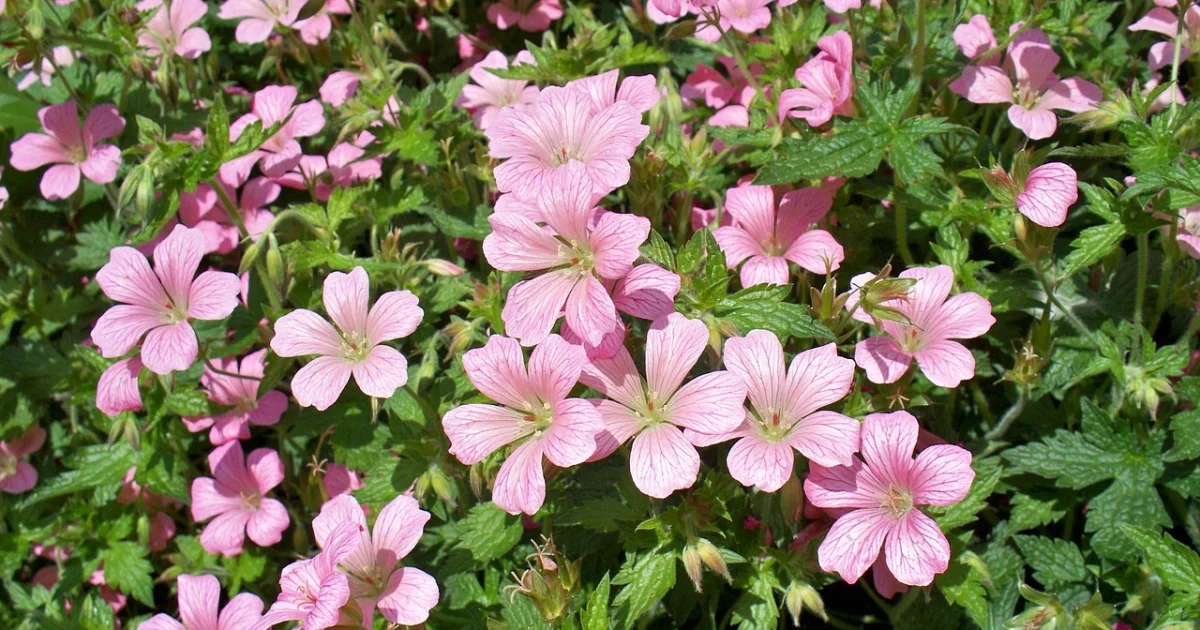
1. The ‘Set It and Forget It’ Appeal: Why Hardy Geraniums Are So Low-Maintenance
The phrase “set it and forget it” gets thrown around a lot, and when it comes to hardy geraniums, it’s remarkably accurate. Unlike many other perennials that demand constant attention – regular watering, fertilizing, and pruning – these plants are incredibly tolerant of neglect. They thrive in dry spells, resisting the urge to constantly monitor soil moisture. This isn’t to say they don’t appreciate a little water during prolonged droughts, but they’re certainly not fussy about it. In fact, many gardeners find that less watering leads to even more vigorous growth and abundant flowering. Studies have shown that plants stressed by overwatering actually divert energy away from root development and flower production, essentially sacrificing bloom power for survival. Hardy geraniums, on the other hand, are built to endure, showcasing their robust nature and enduring blooms.
Amazon US Verified
Digital 3-in-1 Soil Moisture & pH Meter
Accurate probe to test deep root zone moisture and prevent accidental overwatering.
2. Weed Control Champions: A Natural Ground Cover Solution
One of the most compelling reasons to plant hardy geraniums is their natural ability to act as a vigorous ground cover. Their dense foliage quickly spreads outwards, effectively smothering weeds and preventing them from establishing themselves. This is particularly valuable in areas where weed control is a constant battle. Traditional weed control methods – herbicides, manual weeding – can be time-consuming and environmentally concerning. Hardy geraniums offer a sustainable, organic alternative, transforming bare patches of earth into a lush, weed-free expanse. Research published in the HortScience journal demonstrated that dense ground covers like geraniums can reduce weed seed germination by up to 80% compared to sparsely planted areas. This isn’t just about aesthetics; it’s about creating a healthier, more balanced ecosystem in your garden.
3. Pollinator Magnet: Attracting Bees, Butterflies, and More
Beyond their weed-suppressing abilities and low-maintenance nature, hardy geraniums are a haven for pollinators. Their vibrant, long-lasting flowers – available in shades of violet, pink, blue, and white – are a feast for bees, butterflies, and other beneficial insects. Creating a pollinator-friendly garden is more important now than ever, as populations of these vital creatures are declining. A 2022 report by the Xerces Society for Invertebrate Conservation highlighted the crucial role of native wildflowers and perennials in supporting pollinator populations. Hardy geraniums, being native to Europe, provide a valuable food source and habitat for these essential creatures. Planting them strategically around your garden – especially near seating areas – will not only beautify your space but also contribute to the health of the local ecosystem. The specific nectar profiles of different geranium varieties also attract a wider range of pollinators; for example, Geranium psilostemon tends to attract a greater diversity of bee species than some of the more common cultivars.
4. Extended Blooming Season: Months of Colorful Delight
Unlike many other flowering perennials that have a short window of bloom, hardy geraniums are renowned for their extended flowering season. They typically start blooming in May and continue to flower sporadically throughout the summer and even into the fall, providing a continuous display of color. This longevity is a huge advantage for gardeners who want to enjoy beautiful blooms for as long as possible. The secret lies in their ability to produce numerous small flowers over an extended period, rather than relying on a single, spectacular flush. Furthermore, some cultivars are bred to continue flowering even after the initial blooms have faded, offering a sustained visual impact. The ‘Anne’s Fancy’ geranium, for example, is particularly noted for its late-season blooms, often extending into October in milder climates.
5. Easy Division: Doubling Your Geranium Supply
April is the ideal time to divide hardy geraniums, allowing you to create more plants to spread throughout your garden. As the plants mature, they often form dense clumps that become increasingly congested. Dividing them rejuvenates the plants, promoting vigorous new growth and preventing them from becoming overcrowded. The process is remarkably simple: in April, lift the entire clump with a garden fork, carefully teasing apart the root mass into smaller sections, each containing several stems and roots. Replant these new divisions immediately, ensuring the roots are well-covered and the plants are watered thoroughly. According to horticultural expert, David Austin, dividing geraniums annually can increase your yield by up to 50%, creating a denser, more impressive display. This is a fantastic opportunity to expand your garden without purchasing new plants, saving you money and reducing your environmental footprint.
You may also enjoy reading: 11 Insanely Cheap Costco Deals You Need to Know About This Week, Starting with a 65-Inch….
6. Regional Planting Considerations: Adapting to Your Climate
While hardy geraniums are generally adaptable, it’s essential to consider your specific climate and growing conditions. In cooler regions (USDA zones 4-6), they thrive in moist, well-drained soil and benefit from some afternoon shade, particularly during the hottest part of the summer. In warmer regions (USDA zones 7-8), they can tolerate full sun, but may appreciate some protection from the intense afternoon heat. Furthermore, soil pH plays a crucial role in their success. Hardy geraniums prefer slightly acidic to neutral soil (pH 6.0-7.0). If your soil is particularly alkaline, you can amend it with organic matter, such as compost or peat moss, to lower the pH. The ‘Wilhelmina’ geranium cultivar, known for its exceptionally vibrant pink flowers, is particularly well-suited for drier climates, showcasing a remarkable tolerance for drought conditions.
7. Southern Strategies: Dappled Shade and Soil Expertise
For gardeners in the southern United States, where summer heat can be intense, dappled shade is paramount when planting hardy geraniums. While many geranium varieties thrive in full sun, prolonged exposure to the afternoon sun can scorch their leaves, leading to reduced flowering. Creating a shaded microclimate – perhaps by planting them beneath a tree or incorporating a trellis to provide partial cover – can significantly improve their performance. Additionally, pay close attention to soil drainage. Heavy clay soils can impede root growth and lead to root rot. Improving drainage by amending the soil with organic matter or creating raised beds can be incredibly beneficial. The USDA Plant Hardiness Zone Map indicates that geraniums are most reliable in zones 4-8, however, with thoughtful placement and soil management, they can flourish in a wider range of climates. Remember, the key is to mimic the conditions they’d naturally thrive in – cool, moist soil and some protection from the harshest sunlight.
Amazon US Verified
Organic Perlite Horticultural Soil Conditioner
Lightweight volcanic mineral that improves root aeration and prevents compaction.
Planting hardy geraniums in April is an investment in a beautiful, low-maintenance garden that will reward you with months of vibrant color and a thriving ecosystem. It’s a simple act that can transform your outdoor space, offering a tranquil retreat from the stresses of daily life. So, ditch the overwhelm and embrace the ‘set it and forget it’ charm of this remarkable perennial – your garden (and your sanity) will thank you for it.
As an Amazon Associate, azuloz.com earns from qualifying purchases.