Every gardener who has watched a tomato plant collapse under its own weight knows the sinking feeling that follows. You water, you weed, you wait for those first red fruits, and then a summer storm flattens everything. The sprawling nature of tomato plants demands a support system, but choosing between stakes and cages can feel surprisingly complicated. Both methods have passionate advocates and frustrating failure stories. This guide cuts through the confusion with three essential tips to help you decide which approach suits your garden, your schedule, and your harvest goals.
Tip 1: Understand the Core Difference in Maintenance Commitment
The first and most critical factor in the staking vs caging tomatoes debate is the time you can realistically dedicate to plant care. These two support systems demand vastly different levels of ongoing attention. Choosing the wrong one for your lifestyle leads to neglected plants and disappointing yields.
The Staking Workload: A Weekly Ritual
Staking a single tomato plant sounds simple. You drive a sturdy 6-to-8-foot wooden or metal stake into the ground and tie the main stem to it. The challenge arrives as the plant grows. Indeterminate varieties send out new shoots constantly. You must tie these stems to the stake every few days. Miss a week, and the plant becomes a tangled mess. Branches break under their own fruit weight. The structure collapses.
Staking also demands regular pruning. You remove suckers that form between the main stem and branches. This pruning keeps the plant manageable on a single stake. Without it, you end up with multiple thick stems competing for space. The plant becomes too heavy for the stake to support. For a gardener with a busy schedule who can only tend the plot on weekends, staking creates a constant source of anxiety. One vacation week in July can undo months of careful work.
The Caging Advantage: Set It and Forget It
Caging offers a nearly maintenance-free alternative. A heavy-duty cage surrounds the plant, providing a circular support structure. The tomato plant grows up and through the openings naturally. Stems weave in and out of the wire without any tying from you. Pruning becomes optional rather than essential. The cage contains the plant’s sprawling habit without constant intervention.
Imagine a gardener who works full time and has young children. This person has maybe thirty minutes on a Saturday morning for garden chores. Staking would create a recurring obligation that quickly becomes overwhelming. Caging allows that gardener to water, mulch, and harvest without wrestling with stems and twine. The plant supports itself. This hands-off approach is the single biggest reason many experienced gardeners prefer cages for their main tomato patch.
The Cost of Neglect in Each System
What happens if you fall behind on staking? The plant sprawls across the ground. Fruits rest on damp soil, inviting rot and pest damage. Branches snap under the weight of developing tomatoes. The plant channels energy into healing broken stems instead of producing fruit. A single missed week of tying can reduce your harvest by roughly 30 to 40 percent according to experienced growers who track their yields.
Amazon US Verified
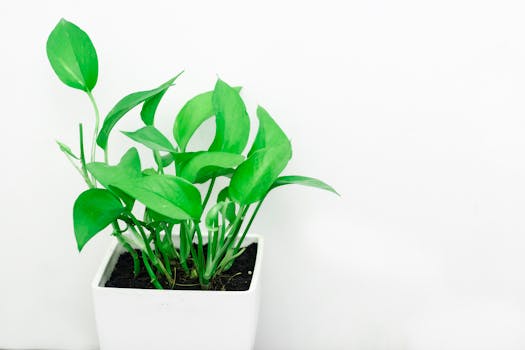
Organic Perlite Horticultural Soil Conditioner
Lightweight volcanic mineral that improves root aeration and prevents compaction.
What happens if you ignore a caged plant? The stems may grow outside the cage, but you can weave them back through in a few minutes. The plant continues producing. The foliage remains healthy. The fruits stay off the ground. The margin for error is much wider with cages. This resilience makes caging the clear winner for anyone who cannot guarantee weekly maintenance.
Tip 2: Match the Support to Your Tomato Variety
Not all tomatoes grow the same way. The staking vs caging tomatoes decision depends heavily on whether you are growing determinate or indeterminate varieties. Using the wrong support for your chosen type creates unnecessary problems.
Determinate Tomatoes: The Bush-Type Solution
Determinate tomatoes grow to a fixed height, usually 3 to 4 feet, and produce all their fruit within a few weeks. These plants are often called bush tomatoes. They stop growing once the top bud sets fruit. This compact habit makes them easier to manage with either stakes or cages.
For determinate varieties, a simple stake can work well. The plant does not keep growing taller, so you only need to tie it a few times. The shorter stature means the stake does not need to be as tall. A 4-foot stake driven 12 inches into the ground provides adequate support. This approach works especially well for container gardeners who cannot accommodate a large cage on a balcony or patio.
However, even determinate plants benefit from cages. A cage provides 360-degree support for multiple stems. The plant fills the cage with foliage and fruit. Harvesting is easy because you can reach through the wire openings. The cage also protects the plant from wind damage better than a single stake can.
Indeterminate Tomatoes: The Tall-Growing Challenge
Indeterminate tomatoes are the vining varieties that keep growing until frost kills them. These plants can reach 8 to 10 feet tall in a single season. They produce fruit continuously from mid-summer until autumn. Popular heirlooms like Brandywine, Cherokee Purple, and Sungold fall into this category.
Staking indeterminate tomatoes is a full-season commitment. You must keep tying the ever-lengthening stem to the stake every few days. The stake must be at least 7 to 8 feet tall, with 18 inches driven into the ground for stability. Even then, a heavy plant can pull the stake over in a strong wind. Many gardeners who stake indeterminates use a Florida weave system with multiple stakes and twine, which provides more stability but requires even more setup and maintenance.
Cages are the superior choice for indeterminate tomatoes. A cage that is at least 5 feet tall and 2 feet wide gives the plant room to grow upward and outward. The plant naturally climbs through the cage structure. You do not need to tie anything. The cage supports multiple stems, which means more fruiting branches and potentially higher yields. The foliage stays dense, protecting the fruit from sunscald.
A Hybrid Approach: Combining Stakes and Cages
Some gardeners combine both methods for extra stability. They place a heavy-duty cage over the plant at planting time. Then they drive two 6-foot stakes into the ground on opposite sides of the cage. They tie the cage to the stakes with garden twine or zip ties. This setup prevents the cage from tipping over when the plant becomes heavy with fruit in late summer.
This hybrid approach works well for gardeners who have experienced cage collapse in previous seasons. The stakes provide anchor points that keep the cage upright. The cage provides the broad support structure that stakes alone cannot offer. The combination gives you the best of both worlds: the low maintenance of caging with the stability of staking.
Tip 3: Evaluate Your Space and Harvest Goals
The third tip in the staking vs caging tomatoes guide focuses on practical considerations like garden size, container use, and your desired yield. These factors often determine which system fits your unique situation.
Small Spaces and Container Gardening
Gardeners with limited space face a specific challenge. A large tomato cage takes up significant room in a raised bed or container. The cage footprint of roughly 2 feet in diameter can crowd out neighboring plants. In a small raised bed that measures 4 feet by 4 feet, you might only fit two caged tomatoes comfortably.
Staking allows for closer spacing. You can plant staked tomatoes 18 to 24 inches apart in a row. This tighter spacing works well for gardeners who want to maximize production from a small area. The vertical growth habit of staked plants also leaves more ground space for low-growing crops like basil or lettuce beneath the tomatoes.
Amazon US Verified
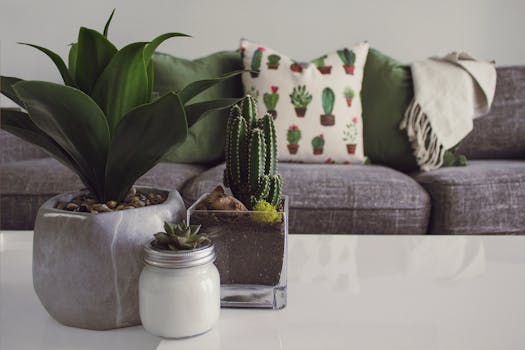
Self-Watering Planters with Drainage Aerators
Elevated reservoir design that prevents soggy roots and ensures steady hydration.
For container gardening specifically, the single stake method shines. A large cage is often too bulky for a 5-gallon pot. The cage may tip over easily because the pot does not provide enough weight at the base. A single 5-foot stake driven into the pot, combined with a determinate tomato variety, creates a manageable container plant. You can move the pot to follow the sun or bring it indoors if frost threatens.
You may also enjoy reading: 5 Reasons Your Monstera Is Turning Brown.
Yield Considerations: Which System Produces More Fruit?
Gardeners who prioritize maximum harvest often prefer cages. The reason is simple: cages allow the plant to grow multiple stems naturally. Each stem produces flowers and fruit. A caged indeterminate tomato can have 4 to 6 main stems growing through the wire. A staked plant is usually pruned to 1 or 2 main stems. More stems generally mean more fruit.
Studies and grower observations suggest that caged plants can produce 20 to 30 percent more tomatoes than staked plants of the same variety. The dense foliage on caged plants also protects fruit from sunscald, which can ruin 10 to 15 percent of fruits on staked plants in hot climates. Sunscald appears as pale, leathery patches on the side of the fruit facing the sun. These patches become papery and prone to rot. The shaded interior of a cage prevents this damage.
However, staking has one yield advantage: the fruits are often larger. When you prune a plant to a single stem, all the plant’s energy goes into fewer fruits. Each individual tomato may be bigger than those from a caged plant. If you are growing for a county fair competition where size matters, staking might give you an edge. For the home cook who wants a steady supply of salad tomatoes all summer, the higher total weight from a caged plant is more valuable.
Sunlight Exposure and Fruit Quality
Sunlight affects more than just sunscald risk. The quality of the fruit depends on the balance between light exposure and foliage cover. Staked plants often have fruit clusters exposed to direct sun. This exposure can cause uneven ripening. The side facing the sun ripens faster than the shaded side. You end up with fruits that are soft on one side and hard on the other.
Caged plants maintain a natural canopy of leaves. The fruit develops inside this canopy, receiving dappled light rather than direct sun. This gentle light exposure promotes even ripening. The fruits develop deeper color and more consistent texture. The foliage also keeps the fruit cooler on hot days, reducing the risk of heat stress that can make tomatoes mealy.
End-of-Season Cleanup and Storage
The practicalities of cleanup and storage often tip the balance for gardeners. Stakes are easy to pull from the ground at the end of the season. You wipe them down, bundle them together, and store them in a shed or garage. They take up almost no space. The dried tomato vines go into the compost pile or yard waste bin.
Cages are bulky. A 5-foot-tall wire cage does not collapse flat. You need significant storage space. Some gardeners leave cages in the garden over winter, but this exposes them to rust and weather damage. Others stack cages outside, but they take up room and can become tangled together.
There is a clever solution for end-of-season cleanup with cages. When the plant dies in autumn, simply leave it in place. Let the dried vine remain inside the cage through winter. In spring, pull the entire dried plant out of the cage in one piece. The roots and stems come out together, leaving the cage clean and ready for the new season. This method saves time and eliminates the need to untangle dead vines from the wire.
Making Your Final Decision: A Practical Framework
After considering these three tips, you can make an informed choice. Here is a simple decision framework based on your specific circumstances.
Choose staking if you have limited garden space, plan to grow determinate varieties, enjoy the hands-on process of pruning and tying, want to maximize individual fruit size, or are growing in containers. Staking requires more time each week but gives you precise control over plant shape and spacing.
Choose caging if you have a busy schedule and cannot commit to weekly maintenance, grow indeterminate varieties, want the highest total yield from each plant, struggle with sunscald in your climate, or prefer a hands-off approach to gardening. Caging requires a larger initial investment in quality materials but saves hours of labor over the growing season.
Choose a hybrid approach if you have experienced cage collapse before, grow in a windy location, want the stability of stakes with the ease of cages, or have the space and budget for both materials. The combination system gives you redundancy and peace of mind.
Whichever system you choose, invest in quality materials. A flimsy $5 cone cage from a big-box store will crumple under the weight of a mature plant. A heavy-duty welded wire cage costs more but lasts for a decade or more. A treated wooden stake resists rot and can be reused for many seasons. The upfront cost pays for itself in reduced frustration and increased harvests.
The staking vs caging tomatoes decision does not have to be permanent. Many gardeners use both methods in different parts of their garden. Stake the determinate varieties in containers on the patio. Cage the indeterminate heirlooms in the main vegetable bed. Experiment with both to see which fits your gardening style. The right support system is the one that gets you the best harvest with the least stress.
As an Amazon Associate, azuloz.com earns from qualifying purchases.