Walk through any well-tended neighborhood in midsummer, and you will notice them. Those enormous, cloud-like clusters of white blossoms floating above deep green foliage. While pink and blue hydrangeas have long dominated garden centers, white hydrangea varieties are quietly becoming the preferred choice for landscape designers and home gardeners alike. The reason is simple: white blooms offer a crisp, clean contrast that no other color can match.
Why White Hydrangeas Deserve a Place in Your Landscape
White hydrangeas bring something unique to the garden. Unlike their blue and pink relatives, their flower color does not depend on soil pH. This means you get consistent, reliable white blooms season after season without worrying about soil amendments or aluminum sulfate.
The visual impact of white flowers against dark green foliage is hard to beat. These shrubs create a cooling effect in the landscape, especially during the heat of summer. They also serve as a neutral backdrop that pairs well with any color scheme, from bold reds and purples to soft pastels.
Another advantage is their versatility in floral arrangements. White hydrangea blooms are a favorite for bridal bouquets and home flower arrangements. The large flower heads hold up well when cut, and they dry beautifully for long-lasting displays.
White hydrangeas also offer something that colored varieties cannot: a natural progression of hues as the season advances. Many white varieties emerge with a soft green tint, shift to pure white, and then fade to pink or bronze in autumn. This three-stage color show gives you months of evolving interest from a single shrub.
5 Stunning White Hydrangea Varieties to Consider
Here are five exceptional white hydrangea shrubs that will elevate your landscape. Each offers unique characteristics in terms of bloom size, growth habit, and garden performance. Whether you have a sprawling suburban yard or a compact city plot, one of these varieties will fit your space.
1. ‘White Wedding’ – Oversized Panicles for Dramatic Impact
‘White Wedding’ is a panicle hydrangea (Hydrangea paniculata) bred specifically for its exceptionally large white flower clusters. The cone-shaped panicles can reach impressive sizes, creating a dramatic focal point in any garden bed. This variety was developed by Proven Winners and has quickly become a top seller at nurseries across the country.
This shrub grows to about four to six feet tall and three to five feet wide, making it a substantial presence in the landscape. The sturdy stems hold the blooms well, so you rarely need staking. ‘White Wedding’ blooms on new wood, which simplifies pruning. You can cut it back in late winter or early spring without worrying about losing flowers.
The flowers emerge with a hint of green in early summer, transition to pure white, and eventually fade to soft pink as autumn approaches. This color progression adds weeks of visual interest to your garden. For the best flower production, plant ‘White Wedding’ in a location that receives at least six hours of direct sunlight each day.
Imagine planting this shrub near a patio or deck where you entertain guests. The oversized white blooms create a natural focal point that draws the eye and softens hardscape edges. The flowers also make excellent cut stems for indoor vases, often lasting a week or more in fresh water.
2. ‘Annabelle’ – The Classic Smooth Hydrangea
‘Annabelle’ is a smooth hydrangea (Hydrangea arborescens) that has been a garden staple for decades. Its rounded flower clusters can reach up to twelve inches across, creating what looks like giant snowballs floating above the foliage. This variety was originally discovered growing wild in the forests of Illinois in the 1960s and was later introduced to the horticulture trade by the University of Illinois.
One of the most reliable bloomers in the hydrangea world, ‘Annabelle’ flowers continuously from June through September. It thrives in partial shade but can handle more sun with adequate moisture. The shrub reaches about three to five feet tall and wide, making it a medium-sized addition to any garden bed.
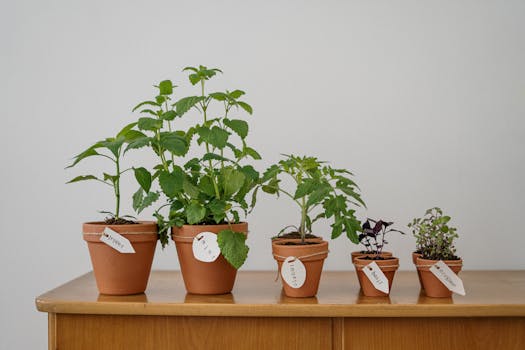
Amazon US Verified
Digital 3-in-1 Soil Moisture & pH Meter
Accurate probe to test deep root zone moisture and prevent accidental overwatering.
The main drawback of ‘Annabelle’ is its relatively weak stems. The enormous flower heads can cause the branches to droop, especially after a heavy rain. Planting in groups allows the shrubs to support each other, or you can use discreet stakes to keep the blooms upright. Some gardeners use a metal support ring around the base of the plant to keep the stems contained and upright.
‘Annabelle’ blooms on new wood, so you can prune it hard in early spring. This actually encourages larger flowers, as the plant puts all its energy into fewer, bigger blooms. If you leave it unpruned, you will get more flowers, but they will be smaller in diameter.
3. ‘Incrediball’ – Big Blooms Without the Flop
‘Incrediball’ is an improved smooth hydrangea that addresses the main weakness of ‘Annabelle’. It produces even denser, more rounded flower clusters, but with stems that are significantly thicker and stronger. You will not need to stake this plant, even when the blooms are fully saturated with rain.
The individual flower clusters contain more florets than ‘Annabelle’, giving them a fuller, more substantial appearance. Each bloom head can reach twelve inches across, and the stems hold them upright even after heavy summer storms. This variety was developed by Dr. Thomas Ranney at North Carolina State University and introduced through the breeding program there.
‘Incrediball’ grows to about four to five feet tall and wide. Like ‘Annabelle’, it blooms on new wood and can be pruned in early spring. The flowers start with a greenish tint, turn pure white, and eventually fade to pale green again as they age. The green phase is actually quite attractive and adds a subtle, sophisticated note to the garden.
This variety is an excellent choice for anyone who loves the look of ‘Annabelle’ but wants a more self-supporting plant. It works well as a specimen shrub or in mass plantings. For a gardener dealing with heavy clay soil, ‘Incrediball’ is surprisingly tolerant as long as the drainage is adequate and the soil is amended with organic matter.
Amazon US Verified
Organic Perlite Horticultural Soil Conditioner
Lightweight volcanic mineral that improves root aeration and prevents compaction.
4. ‘Snow Queen’ – Oakleaf Beauty with Fall Color
‘Snow Queen’ is an oakleaf hydrangea (Hydrangea quercifolia), named for its lobed leaves that resemble those of oak trees. This is one of the few hydrangea species native to North America, specifically the southeastern United States. In fact, Hydrangea quercifolia was designated the official state wildflower of Alabama in 1999, a testament to its regional significance.
The long, conical panicles of white flowers appear in early summer and gradually turn pink as autumn approaches. But the show does not end there. The oak-shaped foliage develops brilliant shades of red, orange, and burgundy in fall, giving you a second season of ornamental interest that lasts for weeks.
‘Snow Queen’ grows to about four to six feet tall and wide. It is hardy to USDA zone 5 and tolerates both full sun and partial shade, though afternoon shade is beneficial in hotter climates. The exfoliating bark on mature stems adds winter interest to the landscape, peeling away in thin strips to reveal lighter inner bark.
Unlike panicle and smooth hydrangeas, oakleaf hydrangeas bloom on old wood. This means you should prune them immediately after flowering, not in spring. Cutting them back at the wrong time will remove next season’s flower buds. If you are designing a moon garden with all white flowers for evening enjoyment, ‘Snow Queen’ is an outstanding choice because its large white panicles remain visible even in low light.
You may also enjoy reading: 7 Best Pop Canopies of 2026 Reviewed.
5. ‘Gatsby Gal’ – Compact Oakleaf for Smaller Spaces
‘Gatsby Gal’ is a newer oakleaf hydrangea variety that offers all the beauty of ‘Snow Queen’ in a slightly more compact package. It reaches about six feet tall and wide, making it a better fit for smaller yards or tighter garden beds. This variety is part of the Gatsby series developed by Proven Winners.
The oversized pyramidal panicles of white flowers sit on very strong stems that hold their weight without support. Like other oakleaf hydrangeas, the blooms transition to pink in fall, and the foliage turns rich shades of red and purple. The fall color display on ‘Gatsby Gal’ is particularly vivid, often lasting three to four weeks before the leaves drop.
Amazon US Verified
Self-Watering Planters with Drainage Aerators
Elevated reservoir design that prevents soggy roots and ensures steady hydration.
‘Gatsby Gal’ blooms on old wood, so the same pruning rules apply. Cut it back after flowering if needed, but avoid spring pruning. This variety is hardy to zone 5 and performs well in partial shade. It also has good resistance to powdery mildew, a common issue with oakleaf hydrangeas in humid climates.
For gardeners who want the oakleaf look but have limited space, ‘Gatsby Gal’ is an excellent choice. It provides the same dramatic flower display and fall color as larger varieties but fits more comfortably into modern residential landscapes. Consider using it as a foundation planting near the house, where its summer blooms and autumn color can be appreciated up close.
How to Keep White Hydrangea Blooms Looking Their Best
White hydrangeas naturally change color as their flowers age. The progression from green to white to pink is part of their charm. But if you want to extend the crisp white phase, a few simple strategies can help.
First, provide consistent moisture. Hydrangeas are thirsty plants, and drought stress causes flowers to fade and brown more quickly. Water deeply during dry spells, especially when the plant is in bloom. A layer of mulch around the base helps retain soil moisture and keeps roots cool. Aim for about one inch of water per week during the growing season.
Second, choose the right planting location. Panicle hydrangeas like ‘White Wedding’ need full sun for best flowering. Oakleaf varieties like ‘Snow Queen’ and ‘Gatsby Gal’ can handle partial shade. Smooth hydrangeas like ‘Annabelle’ and ‘Incrediball’ prefer morning sun with afternoon shade. Getting the light conditions right from the start will save you frustration later.
Third, avoid overhead watering. Wetting the flower heads can cause them to become heavy and droop, and it can also promote fungal diseases that turn white blooms brown. Water at the base of the plant instead. Drip irrigation or a soaker hose works wonderfully for hydrangeas.
Fourth, deadhead spent blooms if you want a tidy appearance. Removing faded flowers encourages the plant to put energy into new growth rather than seed production. For smooth and panicle hydrangeas, you can cut the spent blooms off at any point during the season. For oakleaf hydrangeas, deadhead after flowering but before the new buds form for next year.
Frequently Asked Questions About White Hydrangeas
Do white hydrangeas need full sun or shade?
The answer depends on the variety. Panicle hydrangeas like ‘White Wedding’ perform best in full sun, which means at least six hours of direct sunlight daily. Oakleaf hydrangeas like ‘Snow Queen’ and ‘Gatsby Gal’ can tolerate full sun in cooler climates but prefer partial shade in hotter regions. Smooth hydrangeas like ‘Annabelle’ and ‘Incrediball’ do well with morning sun and afternoon shade. Getting the light conditions right is the single most important factor for abundant blooms.
Why do some white hydrangea blooms turn pink?
This is a natural aging process, not a response to soil pH. Unlike blue and pink hydrangeas, white varieties do not change color based on soil acidity. The transition from white to pink happens as the flowers mature and is influenced by temperature, sunlight exposure, and the specific genetics of the variety. Some white hydrangeas also emerge with a green tint before turning pure white. This color shift is part of the plant’s natural life cycle and cannot be prevented or reversed.
Which white hydrangea variety is best for small gardens?
For compact spaces, ‘Gatsby Gal’ is an excellent choice at about six feet tall and wide. ‘White Wedding’ is also manageable at four to six feet tall. If you want something even smaller, consider ‘Wedding Gown’, a bigleaf hydrangea that stays under three feet tall. For container gardening, ‘White Wedding’ performs well in large pots as long as it receives adequate water and sunlight. Always check the mature size of any variety before planting to ensure it fits your space.
How do I keep white hydrangea blooms from turning brown?
Brown blooms are usually a sign of stress. The most common causes are insufficient water, too much direct afternoon sun, or fungal diseases. Water deeply during dry periods, provide afternoon shade in hot climates, and avoid wetting the flowers when you irrigate. Good air circulation around the plant also helps prevent fungal issues. If you notice browning on only a few blooms, remove them to keep the shrub looking tidy. Healthy, well-cared-for plants produce the longest-lasting white flowers.
Do white hydrangeas bloom on old wood or new wood?
It depends on the type. Panicle hydrangeas like ‘White Wedding’ and smooth hydrangeas like ‘Annabelle’ and ‘Incrediball’ bloom on new wood, meaning they produce flowers on the current season’s growth. Oakleaf hydrangeas like ‘Snow Queen’ and ‘Gatsby Gal’ bloom on old wood, meaning flower buds form the previous year. This distinction is crucial for pruning at the right time. Pruning an oakleaf hydrangea in spring will remove its flower buds for that year, while pruning a panicle hydrangea in spring actually encourages more blooms.
White hydrangeas offer a versatile, low-maintenance option for gardeners who want dramatic blooms without the fuss of pH management. Whether you choose the oversized panicles of ‘White Wedding’, the reliable snowballs of ‘Annabelle’, the sturdy stems of ‘Incrediball’, or the multi-season interest of the oakleaf varieties, these shrubs will reward you with years of stunning white flowers that brighten every corner of your landscape.
As an Amazon Associate, azuloz.com earns from qualifying purchases.