Why Shade Gardens Get an Unfair Reputation
Walk through any neighborhood in early summer and you will notice something. The sunny borders burst with color while shady corners sit bare or spindly. Most gardeners look at those bare patches and assume the shade itself is the problem. The truth is more specific. A sun-loving plant placed in dim light does not adapt gracefully. It stretches toward whatever weak rays reach it, grows thin and leggy, and eventually gives up after a season or two of struggle. The failure is not the location. It is the match between plant and place.
There are dozens of plants that actually prefer low light over direct sun. They evolved on forest floors and along north-facing slopes where full sunlight rarely reaches. Put them in a bright border and they will scorch. Put them in the dark corner where nothing else grows and they will settle in as though they finally found home. The best low-maintenance shade perennials return year after year without prompting. They fill space gradually. They ask for very little beyond the right starting spot. None of them need coddling. A few actively resent too much attention.
The seven plants below cover a range of shade depths, soil types, and climate zones. Whether you face dry soil under a mature tree, a damp north-facing bed, or a spot that gets only dappled morning light, at least two or three of these will fit your situation. Every one of them qualifies as a true low-maintenance shade perennial — plant it once, water it through its first season, and then mostly leave it alone.
1. Hosta — The Reliable Foliage Anchor
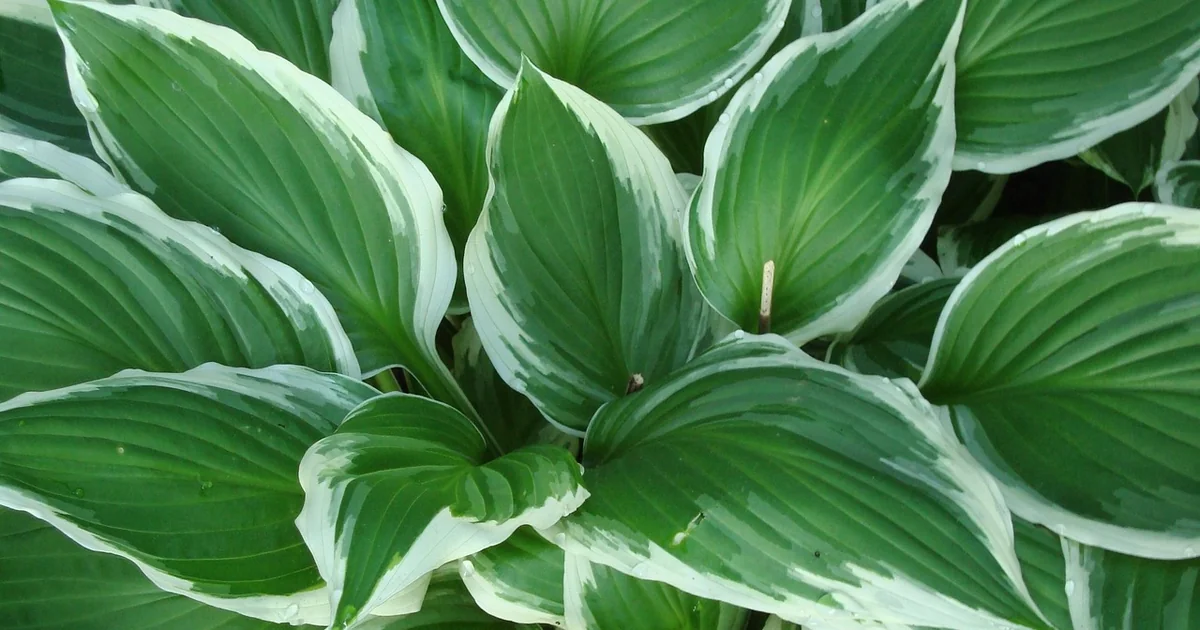
Hostas make up a far broader category than most gardeners realize. Some varieties form tight little mounds that stay under a foot wide. Others produce leaves the size of dinner plates with a texture almost like seersucker. The color range runs from deep blue-green that looks almost metallic to bright gold to near-white with dark green edges. You could fill an entire shaded border with hostas alone and still have remarkable variety in form and hue.
Part shade to full shade suits them best. Dense dry shade under a large tree is the one situation where hostas genuinely struggle. They need consistent moisture, especially during their first year in the ground. Once established, they are remarkably self-sufficient. The plants come back larger every spring and you will eventually need to divide them when the center of the clump starts to look bare. Beyond that occasional task, hostas mostly want to be ignored.
Slug Management Without the Headache
Slugs are the one recurring issue with hostas. The damage shows up as irregular holes in the leaves, usually worse in wet springs. The simplest answer is early intervention. Apply slug control pellets around the emerging shoots before the leaves unfurl. A single application in early spring often prevents the worst of the damage. Do not wait until the holes appear. By then the slugs have already established their feeding pattern and you will be playing catch-up all season.
Dividing Hostas for More Plants
Every three to five years your hosta clumps will benefit from division. Dig up the entire root mass in early spring just as the shoots break the surface or in early autumn when the soil is still warm. Cut the clump into sections with a sharp spade, making sure each piece has at least three growing points. Replant the divisions at the same depth they were growing before and water them well. This is not a chore you must do every year, but when you do it you get free plants for other shady spots.
2. Astilbe — Color Where Color Seems Impossible
Most plants that tolerate shade do not give you much in the way of flowers. The shade garden tends to be a study in greens and textures. That is a perfectly valid aesthetic, but it can feel subdued after a while. Astilbe breaks that pattern entirely. It produces feathery plumes in white, soft pink, deep rose, red, and lavender. The plumes hold their shape as they dry, so the visual interest extends several weeks past the actual bloom period.
Moisture is the single non-negotiable requirement for astilbe. Dry shade under large trees is not a suitable spot. The plants will dwindle and eventually fail if they cannot count on consistent soil moisture. Give them a reasonably damp location with partial to full shade and they become some of the most rewarding plants in the garden. Divide the clumps every three to four years when you notice the flowering thinning out. Replant the outer sections of the clump, which are the most vigorous, and discard the tired center.
Companion Planting with Astilbe
Astilbe pairs beautifully with ferns and hostas because the three plants share similar moisture requirements. The fern fronds provide a fine-textured backdrop. The hosta leaves offer broad contrasting forms. The astilbe plumes rise above both and add the vertical color that the other two cannot provide. This combination works well in a north-facing bed or alongside a shaded water feature where the soil stays naturally damp.
3. Bleeding Heart — The Early Season Specialist
Shade beds often look barren from late winter through mid-spring. The trees have leafed out enough to block light but most shade perennials have not yet broken dormancy. Bleeding heart fills that exact window. It emerges early, grows quickly, and produces arching stems lined with pendant heart-shaped flowers that do not resemble anything else in the garden. The flowers come in pink and white combinations or pure white, depending on the variety.
By midsummer the foliage yellows and the plant slips into dormancy until the following spring. This die-back can leave a gap in the border. Plan for it by planting hostas or ferns around the bleeding heart. Those later-emerging plants will fill the empty space just as the bleeding heart retreats. Give bleeding heart part shade and consistent moisture during its active growth period. After the first season it handles itself with minimal attention.
The Dicentra Confusion
Gardeners sometimes confuse the old-fashioned bleeding heart with the fringed bleeding heart. The old-fashioned type grows taller, reaches about two to three feet, and goes fully dormant by summer. The fringed variety stays smaller, blooms longer into the season, and often holds its foliage through the summer. Both are excellent plants. Check the botanical name before buying if you have a preference for the taller early-blooming form versus the longer-blooming shorter one.
4. Hellebore — Winter Blooms When Nothing Else Moves
Hellebores flower in late winter to early spring, a period when most perennials are still completely dormant. The bloom colors range from pure white and soft pink to deep plum, near-black, and chartreuse. The flowers nod downward, which makes them look modest from above, but lifting a bloom to see its face reveals intricate markings and layered petals that rival any rose.
The foliage stays evergreen in most climates. Those leathery dark green leaves provide year-round structure in the shade garden. Drainage is the critical factor. Hellebores will rot at the crown if the soil stays waterlogged around their base. Amend heavy clay with compost or coarse grit before planting to ensure the water moves through. Once established, hellebores are remarkably long-lived. They self-seed gently over time, gradually filling the area around their planting spot with new seedlings that may show slightly different flower colors than the parent plant.
Patience in the First Two Years
Hellebores grow slowly during their first season or two in the ground. Gardeners occasionally worry that the plant has failed because it does not seem to enlarge. This is normal. The root system takes time to establish. By the third year the plant will begin to bulk up and produce a more substantial display of flowers. After that point the clump will expand steadily and self-seeding will begin. Hellebores are a lesson in patience that pays off in the long run.
5. Fern — Texture and Structure in Deep Shade
Ferns are the workhorses of the deep shade garden. They ask for almost nothing and deliver a consistent show of finely divided fronds from spring until frost. There are dozens of species suited to different conditions, from the tall ostrich fern that reaches three to four feet to the delicate maidenhair fern that stays under a foot. The key is matching the fern type to your specific soil moisture level.
Most ferns prefer consistent moisture but some, like the autumn fern and the Christmas fern, tolerate drier conditions once established. These two species are excellent choices for dry shade under trees where watering feels like a losing battle. Plant them in spring, water them through their first summer, and by the second year they will be self-sufficient. Ferns do not flower, but the texture they provide is arguably more valuable in deep shade than short-lived blooms would be.
Cleaning Ferns in Spring
Japanese painted ferns and other deciduous varieties die back completely in winter. Leave the dead fronds in place until early spring. They provide some protection to the crown during cold weather. Cut them down to ground level just before the new fiddleheads emerge. Evergreen ferns like the autumn fern hold their fronds through winter. Trim away any fronds that look battered by wind or cold in early spring to make room for the new growth.
You may also enjoy reading: 3 Tips: Staking vs Caging Tomatoes – Choose Right Harvest.
6. Coral Bells — Foliage Color in the Shadows
Coral bells offer foliage colors that most shade plants cannot produce. The leaves come in shades of deep burgundy, bright lime green, caramel orange, silver, and near-black. The plants form low mounds of rounded or lobed leaves that stay attractive from spring through fall. Small bell-shaped flowers rise on thin stems in late spring and early summer, but the foliage is the main event.
Part shade is ideal for most coral bells. Deep full shade will cause the foliage colors to fade toward green because the plant produces less of the pigments that create the dramatic hues. Give them at least a few hours of dappled light or morning sun for the best color expression. Well-drained soil is important. Coral bells will rot in heavy wet soil, especially during winter. If your shade garden has clay soil, plant them in a slightly raised bed or amend the planting area with grit and compost.
The Heaving Problem and How to Solve It
Coral bells have shallow root systems that tend to heave out of the ground during freeze-thaw cycles in winter. This is the most common reason gardeners lose them. The solution is simple. Cover the crown with an inch or two of compost or shredded bark in late autumn. The mulch holds the plant steady through temperature swings. Remove the excess in early spring to expose the crown again. This small seasonal task dramatically improves the survival rate of coral beds in colder climates.
7. Lungwort — Spotted Leaves and Early Flowers
Lungwort produces some of the most unusual foliage in the shade garden. The leaves are spotted or splashed with silvery white against a deep green background. The pattern looks almost painted on by hand. Small clusters of flowers appear in early spring, often before the new foliage fully emerges. The flowers start pink and shift to blue as they age, so a single plant can show both colors at once.
Moisture is important for lungwort during its active growth period in spring and early summer. Once the weather heats up the plant can tolerate some dryness, but it looks best with consistent moisture. Part shade to full shade works well. The plants spread slowly by rhizomes and will form a tidy ground cover over several years without becoming aggressive. The main maintenance task is cutting back the old leaves after flowering to encourage fresh growth. New leaves emerge brighter and better spotted than the tired ones they replace.
Cutting Back at the Right Time
Wait until the flowers have finished and the leaf edges start to look ragged. This usually happens in early to midsummer. Shear the whole plant back to about two inches above the soil line. Water it well after cutting and new leaves will appear within two weeks. These fresh leaves will carry the plant through the rest of the growing season with much better appearance than if you left the old foliage in place. This is honestly the only regular chore lungwort requires.
Frequently Asked Questions About Low-Maintenance Shade Perennials
Can these plants survive under a large tree with dense shade and dry soil?
Some can and some cannot. Hostas and astilbe struggle in dry shade because they need consistent moisture. Ferns, specifically autumn fern and Christmas fern, tolerate dry conditions once mature. Hellebores also handle dry shade reasonably well if the soil has decent drainage. Bleeding heart will not last long under a tree where the roots suck up all the water. The best approach is to water deeply during the first two years for any plant placed in a dry shady spot, and choose the more drought-tolerant species for those locations.
How often should I water shade perennials after they are established?
Most established shade perennials need water only during extended dry periods. The general rule is about one inch of water per week from rainfall or irrigation during the growing season. Check the soil by pushing your finger about two inches into the ground near the plant. If it feels dry at that depth, water deeply. If it feels moist, wait a few days and check again. Overwatering in shade can lead to root rot because the soil stays wet longer than it would in a sunny location.
Do low-maintenance shade perennials need fertilizer?
Most do not need regular fertilizer if the soil has reasonable organic matter. A single application of compost spread around the plants in early spring provides enough nutrients for the entire growing season. Avoid high-nitrogen fertilizers because they encourage soft leafy growth that slugs and diseases attack. If your plants look pale or grow slowly, top-dress with an inch of well-rotted compost in spring and again in autumn.
How do I prevent weeds in a shade garden without disturbing the perennials?
Apply a two-to-three-inch layer of shredded bark or leaf mold over the soil between your plants. This blocks light from reaching weed seeds and keeps the soil cool and moist. Replenish the mulch each spring. The key is to avoid using landscape fabric under the mulch because it prevents the perennials from spreading naturally and makes future division difficult. Hand-pull any weeds that manage to push through the mulch. The task takes only a few minutes each week once the garden is established.
Will these perennials spread and take over the garden bed?
None of the plants listed here are invasive in the aggressive sense. Hostas and ferns will expand their clumps over time, but the spread is slow and easy to control by dividing every few years. Lungwort spreads by rhizomes but at a gentle pace that stays within bounds. Hellebores self-seed, and the seedlings are easy to remove if they appear where you do not want them. Bleeding heart stays in a tidy clump and does not wander. Astilbe and coral bells both maintain a well-behaved clump form. None of them require constant policing.
The shade garden does not need to be a constant battle. It simply needs the right plants placed in the right conditions. Choose from these seven low-maintenance shade perennials and you will have a bed that fills in on its own, returns reliably every year, and demands very little of your time. Plant them once, water them through their first season, and then let them do what they do best — growing steadily in the spots where sun-loving plants would never survive.