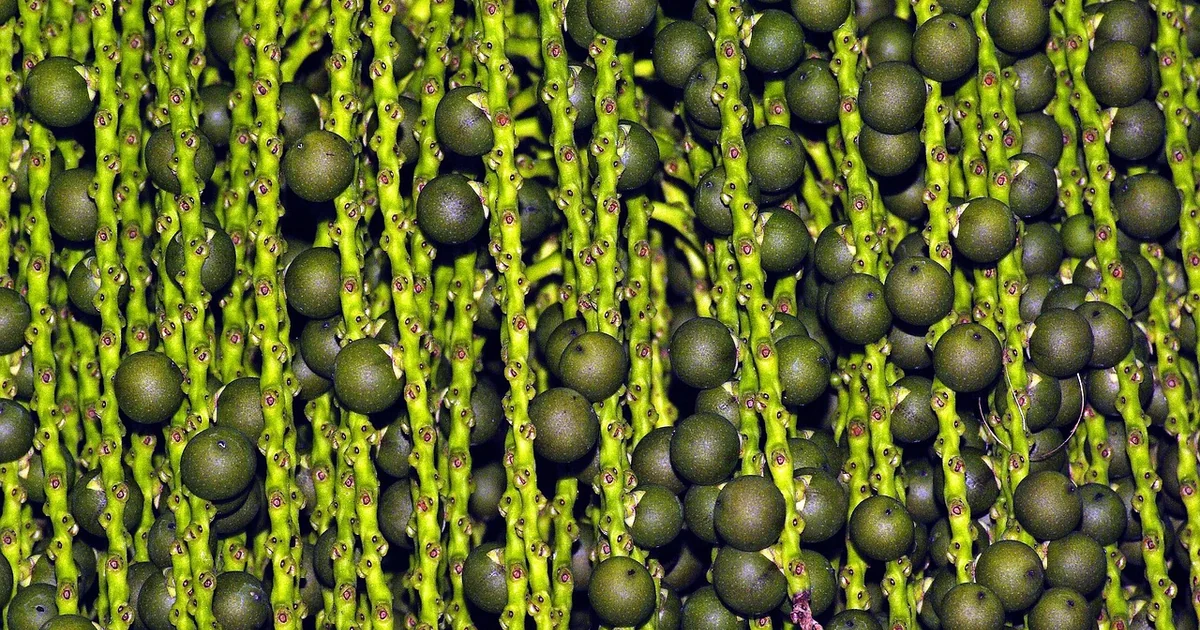
Imagine a houseplant that looks like it just stepped out of a tropical rainforest, with fronds that resemble the tail of a fish. That is the fishtail palm, a unique and striking plant that can transform any room or garden into a lush paradise. However, this beauty comes with a specific set of needs that many new owners overlook. Let’s unpack the five secrets to successfully planting, growing, and caring for this botanical wonder, ensuring it thrives under your watch.
Secret One: Mastering the Light and Location for Fishtail Palm Care
The number one reason fishtail palms fail indoors is a lack of sufficient light. These trees are not low-light plants despite their reputation for being resilient. They evolved under the bright, dappled canopy of tropical forests. Recreating that specific lighting condition is the first secret to success.
Why Indoor Light Often Falls Short
A standard living room window simply cannot compete with the sun. A fishtail palm placed ten feet away from a window receives drastically less light than it needs. This leads to slow, leggy growth and a gradual decline over months. The plant may survive, but it will not flourish. For optimal fishtail palm care, you must place it in the brightest spot you have, ideally a south- or west-facing window.
The Perfect Outdoor Placement
Outdoors, the strategy shifts. Direct, scorching afternoon sun can burn the leaves. The ideal outdoor location mimics the plant’s natural habitat. Plant your fishtail palm where it receives direct morning sunlight for about four to six hours, followed by bright, indirect light or light shade during the hottest part of the afternoon. A spot near a taller, deciduous tree that filters the midday sun works perfectly.
A Specific Metric for Success
Here is a concrete fact that many guides skip: a fishtail palm needs a minimum of 400 to 800 foot-candles of light for most of the day to maintain its health indoors. A typical living room with a single window might only provide 50 to 150 foot-candles. If you cannot provide this, consider supplementing with a full-spectrum grow light for at least 12 hours daily. This single adjustment can prevent the slow decline that frustrates so many indoor palm owners.
Secret Two: The Watering and Soil Balance
Overwatering is the silent killer of the fishtail palm. These plants have a very specific relationship with moisture. They dislike constantly wet feet, yet they cannot tolerate complete drought for extended periods. Finding this middle ground is the second secret.
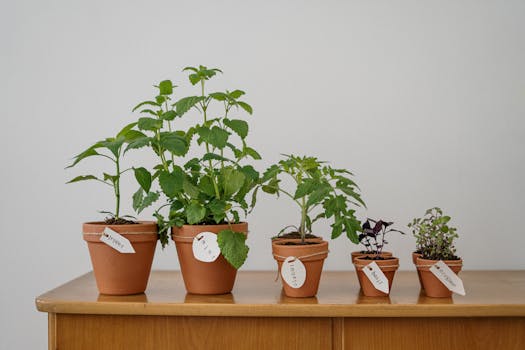
Amazon US Verified
Digital 3-in-1 Soil Moisture & pH Meter
Accurate probe to test deep root zone moisture and prevent accidental overwatering.
The “Dry Finger” Test is Non-Negotiable
Do not water on a schedule. Instead, use your finger. Insert it about one to two inches into the soil. If the soil feels dry at that depth, it is time to water. If it feels even slightly damp, wait another two to three days and check again. This simple habit prevents the root rot that plagues so many indoor palms.
Choosing the Correct Soil Mix
Standard potting soil holds too much moisture. It compacts over time, suffocating the roots. For proper fishtail palm care, you need a mix that drains rapidly. A commercial cactus or palm potting mix is a good starting point. For an even better blend, mix two parts of that cactus mix with one part coarse sand or perlite. This creates air pockets that allow water to flow through quickly, preventing soggy conditions.
Amazon US Verified
Organic Perlite Horticultural Soil Conditioner
Lightweight volcanic mineral that improves root aeration and prevents compaction.
A Step-by-Step Watering Routine
- Water deeply until water runs out of the drainage holes.
- Discard any water that collects in the saucer after 30 minutes. Never let the pot sit in standing water.
- During the winter months or in cooler rooms, reduce watering frequency. The plant’s growth slows, so it needs less moisture.
- If you notice the leaf tips turning brown and crispy, it may be a sign of underwatering or low humidity, not a need for more frequent watering.
Secret Three: Humidity and Temperature – The Tropical Duo
This secret is often the most challenging for indoor growers. Fishtail palms are humidity lovers. They require an environment that feels like a warm, misty morning year-round. Our homes, especially during winter with heating systems running, become arid deserts for these tropical plants.
The 50% Humidity Threshold
For your palm to truly thrive, the ambient humidity must be at least 50%. Most homes hover around 30% to 40% in dry seasons. A reading below 40% will cause the leaf edges to turn brown and crispy, a condition called leaf tip burn. This is not a disease; it is a cry for more moisture in the air.
Practical Humidity Solutions
Misting the leaves provides only temporary relief. A more effective method is to group plants together. As they transpire, they create a microclimate of higher humidity around themselves. The most reliable solution is a humidifier placed nearby. Alternatively, set the pot on a tray filled with pebbles and water. The water evaporates around the plant, raising local humidity. Just ensure the pot’s bottom is not sitting directly in the water.
Amazon US Verified
Self-Watering Planters with Drainage Aerators
Elevated reservoir design that prevents soggy roots and ensures steady hydration.
Temperature Stability is Key
Fishtail palms prefer a steady temperature between 65°F and 85°F (18°C to 29°C). They are highly sensitive to cold drafts and sudden temperature swings. Do not place your palm near an air conditioning vent, a drafty window in winter, or a heat register. A sudden drop below 60°F (15°C) can cause leaf damage and shock the plant.
Secret Four: Fertilization and Repotting – Fueling Growth
These palms are not heavy feeders, but they do benefit from regular nutrition during their active growing months. The secret here is to feed them consistently but gently. Over-fertilizing can burn the roots and cause salt build-up in the soil.
The Right Fertilizer Formula
Use a fertilizer specifically formulated for palm trees. These blends contain a higher ratio of potassium and magnesium, which are crucial for preventing yellowing fronds and promoting strong, green growth. Look for a slow-release granular formula or a liquid fertilizer with an N-P-K ratio like 8-2-12 or similar. Apply it once a month during the spring and summer after you have watered the plant. Never apply fertilizer to dry soil, as this can damage the roots.
When and How to Repot
Fishtail palms prefer to be slightly root-bound. Do not rush to repot. You will know it is time when you see roots circling the top of the soil or growing out of the drainage holes. This usually happens every two to three years. When repotting, choose a container that is only one to two inches wider in diameter than the current one. A pot that is too large holds excess moisture, leading to root rot.
You may also enjoy reading: Make 5 Quick Fake Wasp Nests With a Paper Bag.
A Step-by-Step Repotting Guide
- Water the palm thoroughly one day before repotting to reduce transplant shock.
- Gently slide the plant out of its current pot. If it is stuck, tap the sides of the pot.
- Loosen the outer roots gently with your fingers. Do not break the main root ball.
- Place fresh, well-draining soil mix in the bottom of the new pot.
- Position the palm at the same depth it was in the old pot. Burying the trunk can cause rot.
- Fill around the sides with fresh soil, pressing down gently to remove air pockets.
- Water thoroughly and place it back in its bright spot.
Secret Five: Propagation, Pruning, and Problem-Solving
The final secret is understanding the plant’s lifecycle and how to manage its growth. Many owners are intimidated by pruning or propagation, but these are straightforward tasks that keep your palm healthy and allow you to share it with friends.
How to Propagate Through Division
Many varieties of fishtail palm are clump-forming. They produce offshoots, or “suckers,” at the base. These can be separated to create new plants. This is the most reliable propagation method for home growers. Here is how to do it safely.
- Put on a pair of thick gardening gloves. The sap and leaves contain calcium oxalate crystals that can irritate skin.
- Carefully remove the parent plant from its pot.
- Gently shake off excess soil to expose the root system.
- Identify a sucker that has its own set of roots. Use a clean, sharp knife or snips to separate it from the main root ball.
- Pot the division in a small container with well-draining soil.
- Water it lightly and place it in a warm, bright location with indirect light. Keep the soil slightly moist for the first few weeks as it establishes.
Pruning for Health and Size Control
Fishtail palms do not require heavy pruning. Their natural shape is part of their appeal. However, you should remove dead or yellowing fronds. Use clean, sharp bypass pruners to cut the frond as close to the trunk as possible without damaging the bark. If your palm is getting too tall for your space, you can prune the top fronds to control its height. This will not kill the plant but will stop it from growing upward.
Identifying and Solving Common Problems
Most issues with fishtail palms are environmental. Do not reach for pesticides unless you are certain of a pest problem.
- Yellowing leaves: This almost always means low humidity. Increase the moisture around the plant.
- Limp, drooping leaves: This signals overwatering or root rot. Stop watering immediately and check the roots. If they are mushy and brown, repot with fresh, dry soil and reduce watering frequency.
- Brown leaf tips: This can be caused by low humidity, inconsistent watering, or salt build-up from fertilizer. Leach the soil by watering deeply until water runs out of the drainage holes several times. This flushes out excess salts.
- Pests: While uncommon, spider mites or scale can appear on stressed plants. Wipe leaves with a damp cloth or use insecticidal soap.
Frequently Asked Questions About Fishtail Palm Care
Is the fishtail palm toxic to pets?
Yes, all parts of the fishtail palm contain calcium oxalate crystals. These are toxic to dogs, cats, and humans if ingested. Symptoms include oral irritation, drooling, vomiting, and difficulty swallowing. Keep this plant out of reach of curious pets and children.
Can I grow a fishtail palm outdoors in a cold climate?
Fishtail palms are hardy only in USDA Zones 9 through 11. They cannot tolerate frost. In cooler climates, you can grow them in a large container and move them indoors during the winter months. They will need a bright, warm indoor spot to survive the cold season.
Why are the leaves on my fishtail palm turning brown?
Brown leaf tips or edges are most commonly caused by low humidity. The dry air in heated or air-conditioned homes pulls moisture from the leaf cells, causing them to die back. It can also be a sign of inconsistent watering or salt build-up from fertilizer. Increase humidity and review your watering routine.
How fast does a fishtail palm grow?
Under ideal conditions, a fishtail palm is considered a moderate to fast grower. Indoors, it will grow more slowly, typically adding a few new fronds per year. Outdoors in its preferred zones, it can grow several feet per year, eventually reaching heights of 20 feet or more, depending on the species.
Do I need to prune my fishtail palm?
Pruning is not necessary for the health of the plant. You only need to remove dead or damaged fronds. If the palm is growing too tall for your indoor space, you can trim the top fronds to control its height. Use clean, sharp shears to make clean cuts.
Mastering these five secrets transforms the experience of owning a fishtail palm from a struggle into a rewarding journey. With the right light, careful watering, high humidity, gentle feeding, and a little bit of propagation know-how, you can enjoy this magnificent tropical tree for years to come.
As an Amazon Associate, azuloz.com earns from qualifying purchases.