Choosing new countertops is a significant decision for any homeowner, impacting both the aesthetics and functionality of a kitchen or bathroom. Two of the most popular materials on the market are quartz and granite, each boasting distinct qualities that appeal to different tastes and needs. Understanding the nuances of quartz vs granite is key to making an informed choice. This guide will delve into the key differences between these two countertop contenders, highlighting their strengths and weaknesses to help you determine which is the better fit for your home.
Composition: What Are They Made Of?
At their core, quartz and granite are fundamentally different materials. Understanding their composition provides insight into their durability, appearance, and overall cost. Quartz vs granite begins with a look at their constituent parts.
Quartz: Engineered for Uniformity
Quartz countertops are an engineered stone product, a composite material created by combining approximately 90-95% ground quartz crystals with 5-10% resins, polymers, and pigments. These components are thoroughly mixed and then pressed and cured under high pressure and heat. The resin component isn’t merely a binding agent; it contributes to the countertop’s stain resistance and overall durability. This manufacturing process results in a remarkably consistent appearance. While quartz is often designed to mimic the look of natural stone, it can also be manufactured in a wide array of colors and patterns that wouldn’t be found in nature. For instance, a homeowner might choose a quartz countertop with subtle veining in shades of gray and white to complement a modern kitchen, or opt for a bolder, patterned quartz that resembles marble or granite.
Granite: A Natural Stone Sensation
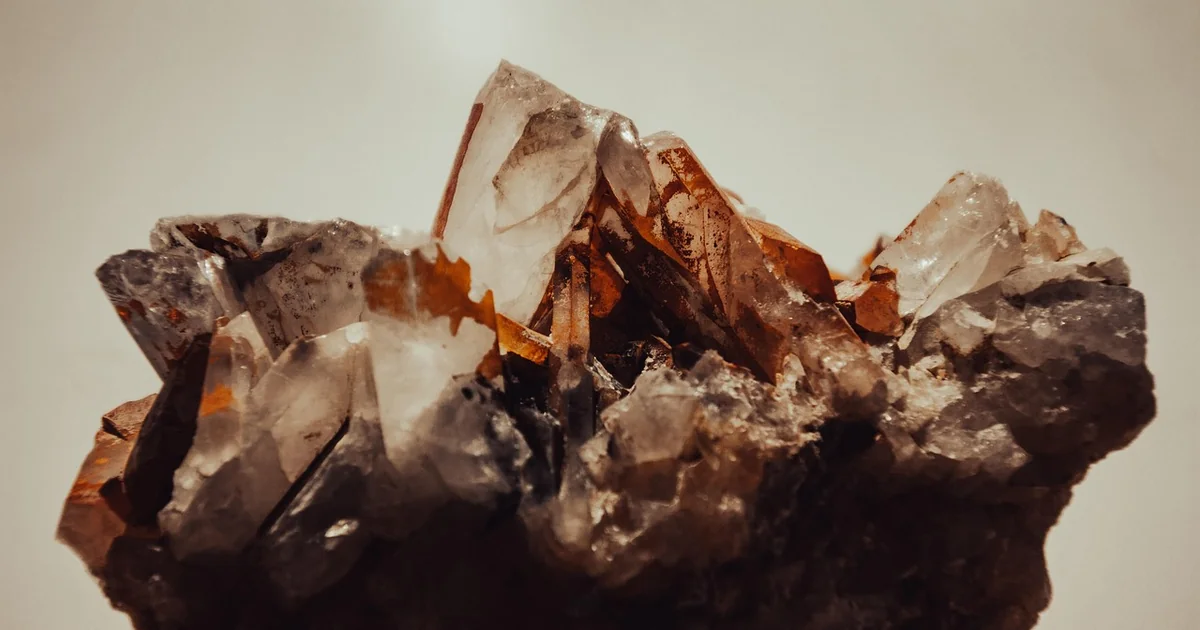
Granite, in contrast, is a naturally occurring stone quarried from the earth. Each slab is unique, formed over millions of years from molten rock that cooled and crystallized. The mineral composition of granite varies depending on the source, but it typically includes minerals like quartz, feldspar, mica, and amphibole. These minerals create the characteristic speckling and veining that make granite so visually distinctive. Popular granite colors range from deep blacks and browns to vibrant reds, greens, and grays. The inherent variability in granite means that no two slabs are exactly alike, offering a truly one-of-a-kind countertop surface. The presence of mica, a mineral that reflects light, often gives granite a subtle shimmer.
Appearance: Uniform vs. Unique
The visual appeal of a countertop is a primary consideration for many homeowners. As mentioned earlier, this is where the key differences between quartz vs granite become readily apparent.
Quartz: Consistent and Contemporary
Quartz countertops excel in providing a uniform and consistent appearance. The engineered nature of the material allows for precise color matching and pattern replication. This consistency can be particularly appealing in contemporary or minimalist designs where a clean, sleek look is desired. Quartz is also available in a vast range of colors and patterns, from solid colors to those that closely mimic natural stones like marble and granite. This versatility makes it easy to find a quartz countertop that complements any kitchen or bathroom décor. For example, a homeowner renovating a small apartment might choose a light gray quartz with subtle veining to create an illusion of spaciousness. High-end quartz options can even incorporate metallic flecks or designs for a luxurious touch.
Granite: Naturally Varied and Characterful
Granite’s strength lies in its unique and natural appearance. The intricate veining and speckling found in granite are a result of the stone’s geological history, making each slab a truly one-of-a-kind work of art. This inherent variation adds character and depth to a space, creating a warm and inviting atmosphere. Unlike quartz, granite patterns are never duplicated, ensuring a truly unique countertop for every home. A homeowner seeking a traditional or rustic aesthetic might opt for a granite with rich, earthy tones and prominent veining. The natural variations in granite can also add visual interest and hide minor imperfections.
Cost: Budget Considerations
The cost of countertops can vary significantly depending on the material, style, and complexity of the installation. Understanding the price differences between quartz vs granite is crucial for staying within budget.
Quartz: Mid-Range Investment
Quartz countertops generally fall into the mid-range price category. The cost typically ranges from $50 to $75 per square foot for materials alone, with installation adding another $10 to $30 per square foot. More luxurious quartz options, featuring unique colors, patterns, or edge treatments, can reach prices of $200 per square foot or more. The price of quartz can fluctuate based on the manufacturer, color, and availability. However, due to its consistent production and widespread availability, quartz is often a more budget-friendly option compared to some types of granite.
Granite: Variable Pricing
Granite countertop costs can vary widely depending on the type of granite, its origin, and the complexity of the fabrication. Expect to pay $40 to $100 per square foot for materials, with installation adding a similar amount. Exotic or rare granite varieties, such as those with unusual colors or patterns, can command significantly higher prices. The cost of granite is also influenced by transportation expenses, as most granite is sourced from quarries overseas. Tariffs and shipping costs can add to the overall expense. For instance, a homeowner looking for a specific type of granite, like Calcutta Gold, might encounter a higher price point due to its limited availability and demand.
Environmental Impact: A Closer Look
Increasingly, homeowners are considering the environmental impact of their purchasing decisions. When comparing quartz vs granite, it’s important to consider the environmental implications of each material.
Quartz: Sustainable Sourcing
Quartz countertops have a relatively positive environmental footprint compared to some other countertop materials. Because quartz is manufactured from stone byproducts – primarily quartz sand – the production process doesn’t require extensive quarrying. This reduces the environmental disruption associated with extracting raw materials from the earth. However, the manufacturing process does involve the use of energy and chemicals. While radon emissions from both granite and engineered stone have been a concern in the past, recent studies indicate that they are typically within acceptable levels and do not pose a significant health risk. The Environmental Protection Agency states that radiation from granite countertops is unlikely to increase annual radiation doses above normal, natural background levels.
Granite: Quarrying Concerns
Granite, being a natural stone, requires quarrying, which can have a significant environmental impact. Quarrying activities can lead to habitat destruction, soil erosion, and water pollution. Furthermore, the transportation of granite from quarries often involves long distances, contributing to carbon emissions. However, granite is a natural material and does not contain volatile organic compounds (VOCs) that can off-gas into the air. While quarrying has environmental consequences, the use of locally sourced granite can help mitigate these impacts. Responsible quarrying practices, such as land reclamation and water conservation, can also minimize the environmental footprint of granite production.
DIY Suitability: Professional Installation Recommended
While some DIY enthusiasts might be tempted to tackle countertop installation themselves, both quartz and granite are generally best left to professionals. The weight and size of these materials make them challenging to handle and maneuver. Quartz vs granite presents similar hurdles for home installers.
You may also enjoy reading: 7 Reasons Bigger Plants Are a Better Investment.
Quartz: Heavy and Precise
Quartz slabs are heavy, typically weighing around 90 pounds for a 36-inch countertop. Precise cutting and installation are essential to ensure a seamless and durable countertop. Improper installation can lead to cracks, chips, and other damage. The resin component of quartz also makes it difficult to cut with standard tools. Professional fabricators have the specialized equipment and expertise to handle quartz safely and install it correctly. Attempting a DIY installation of quartz countertops is not recommended unless you have extensive experience working with stone.
Granite: Demanding Expertise
Granite is even heavier than quartz, with larger slabs weighing upwards of 200 pounds. The irregular nature of granite also makes it more challenging to cut and fit. Professional installation is highly recommended to ensure a proper fit and prevent damage. The installation process involves precise measurements, specialized tools, and a thorough understanding of stone fabrication techniques. Improper installation can lead to costly repairs and a compromised countertop surface. Given the weight and complexity, a DIY granite countertop installation is generally not feasible for most homeowners.
Maintenance: Cleaning and Care
Maintaining countertops is essential for preserving their appearance and longevity. Understanding the maintenance requirements of quartz vs granite is crucial for long-term care.
Quartz: Low Maintenance Champion
Quartz countertops are known for their low maintenance requirements. The non-porous surface of engineered quartz prevents liquids and stains from penetrating the material. This means that quartz does not require sealing, unlike granite. Cleaning quartz is simple – typically, a mild soap and water solution is all that’s needed. Avoid using harsh chemicals or abrasive cleaners, as these can damage the surface. While quartz is highly stain-resistant, it’s still advisable to wipe up spills promptly. Regular cleaning will help maintain the countertop’s pristine appearance for years to come.
Granite: Sealing is Essential
Granite is a porous stone, meaning it has tiny openings that can absorb liquids and stains. To protect granite from staining, it requires periodic sealing. The frequency of sealing depends on the type of granite and the amount of use. Typically, granite countertops should be sealed every 1-3 years. Sealing involves applying a penetrating sealant that fills the pores of the stone, preventing liquids from penetrating. After sealing, the countertop needs to be cleaned with a granite-specific cleaner. Avoid using acidic cleaners, as they can damage the sealant. While sealing is necessary, it’s a relatively straightforward process that can be done at home with the right products and instructions. Regular resealing will help maintain the granite’s natural beauty and protect it from stains.
Durability: Resisting Scratches and Heat
Durability is a key factor to consider when choosing countertops. Both quartz and granite are durable materials, but they have different strengths and weaknesses in terms of resistance to scratches and heat. Comparing quartz vs granite in terms of durability offers further clarity.
Quartz: Excellent Scratch Resistance
Quartz countertops are highly resistant to scratches and chipping. The engineered composition makes them very hard and durable. However, quartz is not completely scratch-proof. While it can withstand everyday wear and tear, it can be scratched by sharp objects like knives or metal tools. Quartz is also heat-resistant to a certain extent, but prolonged exposure to high temperatures can cause damage. Using trivets and hot pads is recommended to protect quartz countertops from heat. For instance, placing a hot pot directly on a quartz countertop can cause discoloration or even cracking. Despite these limitations, quartz is generally considered to be a very durable countertop material.
Granite: Superior Heat Resistance
Granite excels in heat resistance. Its natural stone composition allows it to withstand much higher temperatures than quartz. Placing a hot pot directly on a granite countertop is generally safe, although using a trivet is still recommended to prevent thermal shock. Granite is also highly resistant to scratches and chipping, although it can be scratched by abrasive materials. The durability of granite depends on the type of granite, with harder varieties being more resistant to scratches. For example, a homeowner who frequently works with hot cookware or enjoys cooking on the stovetop might prefer granite for its superior heat resistance. The inherent thermal mass of granite also helps to regulate temperature, which can be beneficial in a busy kitchen.
Ultimately, the choice between quartz and granite depends on individual preferences, budget, and lifestyle. Quartz vs granite presents distinct advantages and disadvantages. By carefully considering these factors, homeowners can make an informed decision and select the countertop material that best suits their needs.
7 Countertop Winners: A Quick Recap
- Quartz: Consistent and Contemporary: Offers uniform appearance, wide range of colors and patterns, low maintenance, and excellent stain resistance.
- Granite: Naturally Varied and Characterful: Provides a unique and one-of-a-kind aesthetic, superior heat resistance, and a natural stone feel.
- Quartz: Mid-Range Investment: Typically costs between $50 to $75 per square foot for materials, with installation adding $10 to $30 per square foot.
- Granite: Variable Pricing: Ranges from $40 to $100 per square foot for materials, with installation adding a similar amount. Exotic varieties can be significantly more expensive.
- Quartz: Low Maintenance Champion: Does not require sealing and is easy to clean with soap and water.
- Granite: Sealing is Essential: Requires periodic sealing (every 1-3 years) to protect against stains.
- Quartz: Excellent Scratch Resistance: Very hard and durable, but can be scratched by sharp objects.