After a demanding workweek, few experiences restore the spirit quite like stepping onto a private outdoor platform where the chaos of daily life fades into a backdrop of rustling leaves and warm sunlight. Yet many homeowners glance at their wooden platforms and see only weathered boards, mismatched patio chairs, and glaring exposure to neighboring windows rather than the sanctuary that could exist. Transforming this underutilized square footage into a genuine retreat requires more than a cursory power wash or a single potted plant. Strategic deck upgrade ideas bridge the gap between basic backyard construction and immersive outdoor living, addressing specific pain points such as harsh afternoon solar exposure, undefined social spaces that leave guests wandering awkwardly, and the persistent “fishbowl” feeling of suburban exposure. By approaching the deck as an extension of your interior architecture rather than an afterthought, you create a cohesive environment that invites actual usage rather than occasional, reluctant visits.

Seven Transformative Approaches to Outdoor Living
Multi-Level Design: Structural Deck Upgrade Ideas for Space Maximization
The single-plane deck suffers from what landscape architects term the “parking lot effect,” where guests cluster in one amorphous mass because the space lacks natural boundaries or conversational nooks. Adding a secondary level, dropped twelve to eighteen inches below the main platform, instantly creates visual separation without the expense of expanding your foundation footprint. This tiered approach, rooted in Italian Renaissance garden design principles, allows you to designate distinct zones—perhaps an upper dining area adjacent to the kitchen door while the lower tier accommodates loungers and a fire pit. Wide transitional steps, minimum thirty-six inches across, serve dual purposes as amphitheater-style seating when entertaining larger groups. When selecting materials for this project, consider using contrasting deck boards between levels—such as warm cedar for the upper tier and cool gray composite for the lower—to enhance the visual distinction without requiring physical railings that would obstruct sightlines. Construction requires careful attention to load-bearing capacity; consult a structural engineer if attaching heavy stone veneer or masonry to the secondary framing. For DIY enthusiasts, floating deck systems using pre-cast concrete piers can support these lower tiers without extensive excavation, provided local building codes permit such foundations. Imagine hosting a summer graduation celebration where teenagers occupy the sunken level near lawn games while adults converse on the upper tier near the grill station—natural traffic flow prevents the congestion that plagues single-level designs.
Pergola Integration: Architectural Deck Upgrade Ideas for Climate Control
Unrelenting solar exposure transforms wooden decking into heat islands that radiate upward at temperatures exceeding one hundred twenty degrees Fahrenheit, rendering the space unusable during peak afternoon hours. The pergola, a structure dating back to ancient Egyptian gardens where they supported grape vines, provides partial shade while maintaining airflow—unlike solid patio covers that trap heat and block natural light. Modern engineering allows for attached pergolas secured directly to your home’s fascia board or freestanding units that create destination spots within larger yards. When designing beam spacing, position rafters twelve to sixteen inches apart to create dappled shade patterns that shift throughout the day, providing protection during harsh midday sun while allowing warming light during morning coffee hours. Consider integrating retractable shade cloth systems with UV-blocking ratings of ninety percent or higher; these canopies deploy during July heat waves but retract to reveal open sky during September’s milder evenings. For permanent solutions, train deciduous vines such as wisteria or climbing hydrangea across the lattice—the dense foliage blocks summer sun while bare winter branches permit desired warmth and light. The psychological impact is measurable; studies in biophilic design indicate that dappled light patterns reduce stress hormones more effectively than full shade or direct sun exposure. Picture yourself reading beneath this filtered canopy at three in the afternoon, comfortable despite the August heat that typically drives everyone indoors.
Living Privacy Screens: Botanical Solutions for Seclusion
Urban and suburban decks frequently suffer from what designers call “exposure anxiety”—the uncomfortable sensation of being observed by neighbors in second-story windows or by passersby on adjacent streets. While wooden privacy screens solve this problem visually, they create fortress-like environments that contradict the open-air purpose of outdoor living. Strategic plant barriers offer superior solutions for seclusion, integrating your platform with the surrounding landscape while filtering rather than blocking views. Bamboo varieties such as Bambusa multiplex ‘Alphonse Karr’ grow rapidly to twelve feet yet remain non-invasive when contained in planters, creating dense green walls within a single growing season. For year-round coverage, consider espaliered evergreen trees such as Japanese yew or holly trained against railings—these horizontal growing patterns occupy minimal floor space while providing four-foot-high visual shields. Container gardening allows for strategic placement: position “thriller” plants like tall ornamental grasses (Miscanthus sinensis or Calamagrostis) in back, “filler” plants like coleus or impatiens in middle rows, and “spiller” varieties like sweet potato vine cascading over pot edges. This layering technique adds depth and draws the eye outward rather than upward toward neighboring windows. Additionally, research published in the Journal of Environmental Psychology demonstrates that viewing green plants reduces cortisol levels by approximately fifteen percent compared to viewing built structures. Rather than staring at your neighbor’s garage wall, your gaze travels along a living tapestry of texture and color, transforming the psychological experience of your outdoor space from exposed platform to secluded garden room.
Curated Beverage Stations: Functional Solutions for Entertaining
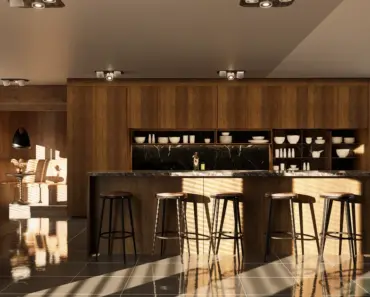
Perhaps no frustration ruins outdoor gatherings more thoroughly than the host’s repeated disappearance into the kitchen to fetch ice, refill pitchers, or hunt for bottle openers while guests linger unattended. Centralizing beverage service through dedicated outdoor bar installations ranks among the most practical deck upgrade ideas for those who entertain regularly. These stations need not resemble full outdoor kitchens costing tens of thousands; rather, focus on weatherproof storage and efficient workflow. Repurposed potting benches constructed from cedar or teak provide excellent foundations, offering open shelving for glassware and sealed cabinets for mixers that require protection from humidity. Marine-grade polymer cabinets, originally developed for yacht interiors, resist warping and mildew better than traditional wood in humid climates. For the serving surface, poured concrete countertops offer durability and can be tinted to complement your decking material—ensure the slab includes a slight pitch for drainage and install a small prep sink if plumbing access permits. Galvanized steel tubs recessed into the countertop keep beverages chilled without condensation damaging the surface below. Critical to the design is the “work triangle” concept adapted from indoor kitchen design: position the station within four to nine feet of the primary cooking area while maintaining clear pathways for guest circulation. During a Fourth of July barbecue, this configuration allows guests to refill lemonades or craft cocktails without tracking charcoal dust through your kitchen, while you remain present in the conversation rather than playing server.
Textile Layering: Comfort-Focused Softscaping Approaches
Hard wooden or composite surfaces, while practical for durability, often create acoustically harsh environments where sound bounces uncomfortably and seating feels institutional rather than inviting. The evolution of outdoor textile technology has revolutionized softscaping possibilities, making fabric-based solutions viable long-term investments rather than seasonal afterthoughts. Solution-dyed acrylic fabrics, such as those pioneered by Sunbrella, resist UV degradation at the molecular level—the color permeates the fiber rather than sitting on the surface, resulting in textiles that maintain vibrancy for five to seven years even in direct sun. Low-pile polypropylene rugs provide underfoot comfort without trapping moisture against deck boards; look for varieties with PVC backing that prevent slipping while allowing evaporation. When selecting cushions, prioritize quick-dry foam cores wrapped in water-resistant batting—these allow afternoon showers to drain rapidly rather than creating soggy seating for evening gatherings. Outdoor curtains hung from pergola beams or cable systems serve multiple functions: they buffer wind gusts that extinguish candles and chill guests, provide adjustable privacy panels, and add vertical softness that balances the horizontal lines of decking. Imagine a breezy autumn evening that would typically send everyone indoors; instead, sheer outdoor drapery panels filter the wind while weighted blankets stored in weatherproof benches provide warmth, extending your usable season by several months.
You may also enjoy reading: 7 Common Perennials You Should Plant in May for Summer Blooms.
Transition Pathways: Connective Elements for Landscape Flow
Decks often exist as isolated islands within larger landscapes, creating awkward transitions that result in trampled grass, muddy tracks, and confusion about entry points. Integrating winding wooden walkways between the deck and key garden destinations—such as fire pits, swimming pools, or vegetable gardens—solves these circulation problems while encouraging exploration. Landscape psychology research indicates that curved pathways trigger curiosity and discovery responses in the brain, making the journey between spaces as enjoyable as the destination itself. Construct these paths using the same decking material as your main platform for visual continuity, but install them with quarter-inch spacing between boards to allow for drainage and slight ground movement. For stability, set boards on compacted gravel beds with paver stone footings at six-foot intervals rather than pouring concrete, which heaves during freeze-thaw cycles. Maintain a minimum width of thirty-six inches to accommodate two people walking abreast or wheelbarrow traffic for gardening tasks. Solar-powered LED path lighting recessed into the boards or mounted on low bollards ensures safe navigation after dark while avoiding the harsh glare of overhead floodlights. Consider the experience of hosting a garden wedding: guests arrive at the gate and are guided naturally toward the deck via a meandering boardwalk that passes through your perennial borders, arriving at the gathering space with a sense of journey and anticipation rather than abrupt arrival.
Surface Restoration: Protective Maintenance for Longevity
Even the most beautifully designed deck structure fails to provide peaceful escape if the surface itself presents splinters, gray oxidation, or fungal growth that suggests neglect. Wood decks exposed to the elements undergo photodegradation—a chemical breakdown caused by UV radiation that destroys lignin and leaves behind loose cellulose fibers, creating that familiar weathered gray appearance. Addressing this through restaining represents essential maintenance among deck upgrade ideas, protecting your investment while restoring aesthetic warmth. Before application, test moisture content with a pinless meter; readings must fall below fifteen percent to ensure proper stain adhesion, which typically requires three consecutive dry days following pressure washing. For heavily grayed wood, apply an oxalic acid-based brightener to restore the pH balance and open pores before sanding to sixty or eighty grit—excessive fine sanding above one hundred twenty grit actually closes pores and prevents penetration. Choose between film-forming solid stains that obscure grain but provide five years of protection in harsh climates, or penetrating semi-transparent oils that show wood character but require reapplication every two to three years. Application technique matters significantly: use synthetic brushes for water-based stains to avoid brush marks, and maintain a wet edge to prevent lap lines that create uneven coloration. Picture your cedar deck shifting from a weathered battleship gray back to warm honey tones, the surface smooth against bare feet, protected against the mold and rot that claim improperly maintained structures within seven to ten years.
Transforming your outdoor platform into a genuine sanctuary requires viewing the project as holistic ecosystem design rather than a collection of separate purchases. When multi-level architecture, botanical screening, climate control structures, and textural comforts work in concert, the deck transcends its utilitarian origins to become the family’s preferred room—one that just happens to lack walls.