If you’ve been itching to get your hands in the garden, the good news is that May is the perfect time to get planting. Most USDA zones are safe from the threat of frost this month, meaning that many perennials (and even some annuals) can, and should, be planted now. “The month of May represents my preferred planting time for perennials because it marks the period when soil temperatures become suitable but summer heat has yet to arrive,” says Tammy Sons, founder and CEO of TN Nursery, a family-owned full-service nursery based in Altamont, Tennessee and shipping nationwide. Here are some of the most common perennials you should plant this month to ensure a successful first growing season.
Why May is Prime Time for Planting Perennials
For many gardeners, May holds a special significance. It’s a transitional month, bridging the last vestiges of spring’s cool embrace with the promise of summer’s warmth. This period offers a sweet spot for planting perennials, a crucial time for establishing these long-lived plants.
“May is my go-to month for planting perennials,” explains Tammy Sons. “It’s the sweet spot where the soil has warmed up enough for roots to establish, but the intense heat of summer hasn’t set in. This gives new plants a fantastic head start.”
The arrival of warmer temperatures, often accompanied by consistent moisture, creates ideal conditions for root development. Soil temperatures typically rise above 50°F (10°C) in most regions by mid-May, a critical threshold for many perennial species. This allows roots to penetrate the soil and begin absorbing nutrients, building a strong foundation for future growth.
Furthermore, planting in May allows perennials to benefit from the extended daylight hours of late spring. Increased sunlight fuels photosynthesis, enabling robust growth and healthy foliage. This early boost contributes significantly to the plant’s overall vitality and resilience.
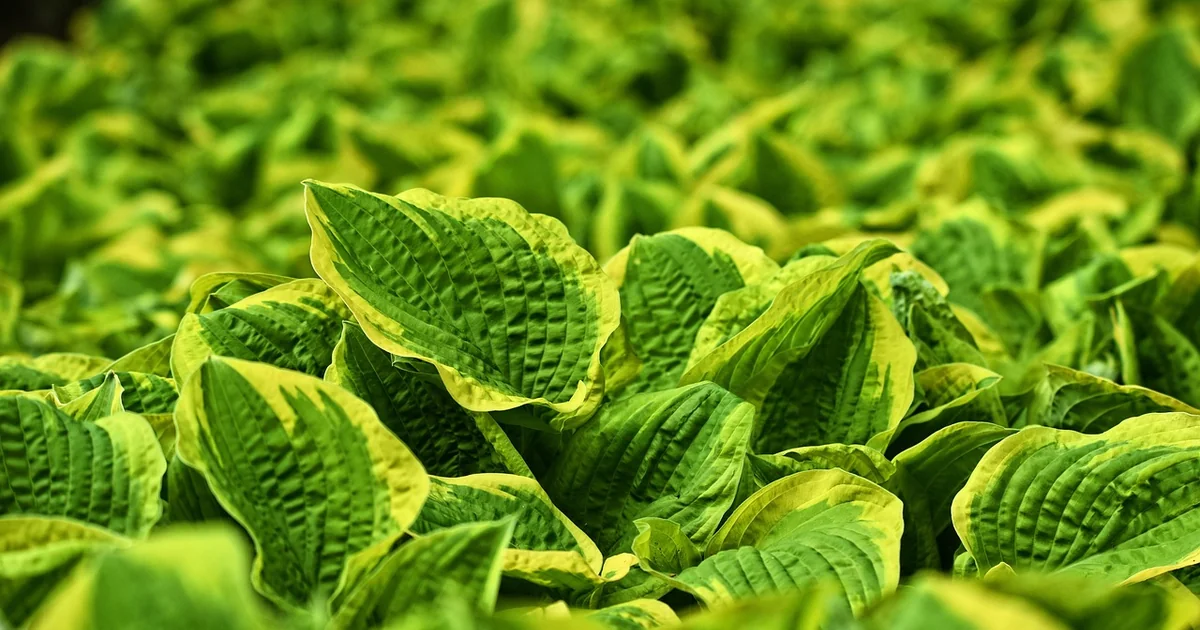
1. Hostas: Lush Foliage for Shady Gardens
A shade garden staple, hostas are among the most popular and well-known perennials around. They’re low maintenance, versatile, and offer luscious foliage from late spring to mid-fall. Unlike many other plants, hostas thrive in partial to full shade, making them perfect for areas where direct sunlight is limited.
Planting hostas in May is ideal because their foliage begins to emerge around this time. This allows them to acclimate to their surroundings and establish a strong root system before the heat of summer arrives. Hostas prefer moist, well-drained soil rich in organic matter. Mulching around the base of the plant helps retain moisture and suppress weeds. They are relatively slow-growing, but reliable and long-lived.
2. Bleeding Hearts: Delicate Blooms in Spring
Bleeding heart is another perennial shade garden favorite. Unlike hostas, spring is the bleeding heart’s time to shine, often blooming in the mid to late spring. These plants are known for their unique heart-shaped flowers, which dangle gracefully from arching stems.
Once the threat of frost in your area has passed, it’s time to plant your bleeding hearts in the ground to give them the best chance of survival throughout the summer. These plants prefer moist, humus-rich soil and thrive in partial shade. They are relatively sensitive to drought, so consistent watering is essential, especially during dry spells. While their foliage only begins to emerge in May, this month is the best time to plant them in the garden.
3. Creeping Phlox: A Groundcover Delight
Creeping phlox is a gorgeous creeping groundcover known for its delicate flowers and foliage. It is sensitive to high heat, so it’s essential to establish this perennial before temperatures in your area start to increase. This plant forms a dense mat, effectively suppressing weeds and preventing soil erosion.
After planting, ensure you keep this plant well-watered throughout its first summer to help it withstand the high temperatures and establish successfully in the garden. Creeping phlox thrives in full sun to partial shade and prefers well-drained soil. It’s a relatively low-maintenance option, but regular trimming can help maintain its shape and prevent it from becoming too invasive.
4. Columbine: Mild Temperatures are Key
Columbine is best planted when temperatures are still mild but the threat of frost has passed. These charming plants boast vibrant, spurred flowers that come in a variety of colors. They add a touch of whimsy to any garden setting.
For many, this means that May is the best time for planting. Columbines prefer well-drained soil and partial shade. They are fairly drought-tolerant once established, but regular watering is beneficial during dry periods. Columbines are also attractive to pollinators, making them a valuable addition to any wildlife-friendly garden. Alternatively, this perennial can be planted in the early fall for those in warmer southern climates in preparation for the following year.
5. Hellebore: Early Bloomers for Winter Interest
Hellebore is an early spring bloomer, meaning plants will likely already be in bloom in May. Nevertheless, May is the ideal time to get these shade-loving perennials in the ground for many hardiness zones, since new plants should be established before the summer heat. These hardy plants offer a welcome burst of color in late winter and early spring, providing much-needed cheer after a long winter.
Planting hellebores in May allows them to establish a strong root system before the summer heat arrives. They thrive in partial to full shade and prefer moist, well-drained soil. Hellebores are incredibly low-maintenance and require minimal care once established. They are also deer-resistant, making them a great choice for gardens where deer are a problem.
You may also enjoy reading: 7 Dreamy Color Planting Palettes to Transform Your Modern Garden into a Vibrant Oasis.
6. Shasta Daisies: Long-Lasting Blooms and Classic Charm
If you’re hoping to add a classic, cheerful touch to your garden, consider Shasta daisies. These iconic perennials are known for their large, white petals and sunny yellow centers. They are a beloved choice for cottage gardens and borders.
If you’re hoping to add this perennial to your garden, Sons says that May is the time to do so. Ensure the threat of frost has passed in your area and choose a sunny location for the best show of blooms. Shasta daisies thrive in full sun and well-drained soil. They are relatively drought-tolerant once established but benefit from regular watering, especially during dry spells. These flowering perennials can be sown directly into the garden or planted as established nursery starts.
7. Lavender: Fragrance and Versatility
Beloved for its fragrance, purple blooms, and various culinary and aromatherapy uses, lavender is a staple in many gardens. This fragrant herb adds a touch of elegance and tranquility to any outdoor space.
While established plants can be planted in the garden throughout the summer, the best time to plant this perennial herb is in the early spring once the threat of frost has passed. Lavender thrives in full sun and well-drained soil. It’s relatively drought-tolerant once established, but regular watering is beneficial during dry spells. Lavender also attracts pollinators, such as bees and butterflies, making it a valuable addition to any pollinator garden.
Black-Eyed Susans: Sunny Blooms for Late Summer
Looking to enjoy coneflower blooms in your garden this year? If so, May is the ideal time to plant them. These iconic summer flowers are known for their bright yellow petals and dark brown centers, resembling a black eye.
These flowering perennials can be sown directly into the garden or planted as established nursery starts. Once established, they are quite drought-tolerant and thrive in full sun. Black-eyed Susans are also beneficial for attracting pollinators and birds to your garden.
With a little planning and preparation, you can enjoy a vibrant and flourishing garden filled with these beautiful perennials for years to come. Planting in May provides them with the best possible start, setting them up for a season of growth, blooms, and beauty.
Note:
Always check your local planting guidelines and hardiness zone to determine the best time to plant specific perennials in your area. Consult with your local nursery for advice on plant selection and care.
References:
- TN Nursery: https://www.tnnursery.com/