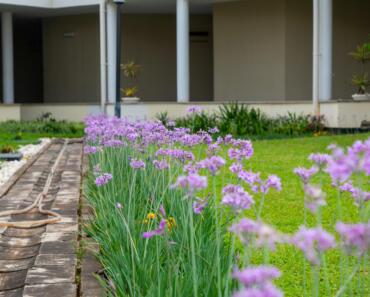
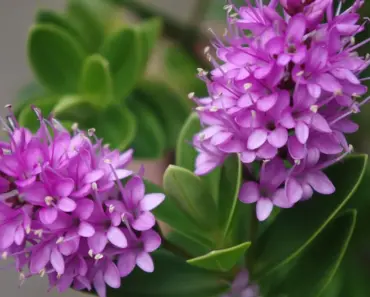
When it comes to creating a beautiful and inviting garden, one of the first steps in the process is choosing a color planting palette. This is a crucial decision, as it can greatly impact the overall look and feel of your outdoor space. A well-designed color palette can make a small garden feel bigger, or light up a shady spot, while also dictating your backyard vibe. Whether you’re planning a new garden, refreshing the planting in an existing backyard, or just reimagining a border, it’s essential to understand the basics of color theory before making any choices.

Understanding Color Theory in Garden Design
Color theory is the study of how colors interact with each other, and it’s essential for creating a harmonious and visually appealing garden design. The color wheel is a fundamental tool for understanding color relationships, and it’s a great starting point for creating a planting palette. Colors that sit next to each other on the color wheel, known as analogous colors, create harmonious combinations. For example, a mix of red, orange, and yellow, or blue, purple, and lilac, brings a look that feels instantly curated.
On the other hand, colors that are opposite each other on the color wheel, known as complementary colors, bring out the best in each other, making each appear brighter and more vivid. These combinations are perfect for lifting a gloomy corner or creating a striking focal point in the garden. A classic example of complementary colors is the pairing of purple and yellow, which creates a sumptuous and vibrant combination.
1. Harmonious Hot Tones Bring Warmth and Vibrancy
For those who love vibrant color, a planting palette based on a ‘hot’ theme is sure to give you a design that’s a talking point. This combination typically features a mix of red, orange, and yellow flowers, but you can widen the spectrum by adding the occasional splash of hot pink. The hotter the weather, the better this color combination works, so it’s perfect for sunny gardens. To create this look, try pairing intense orange and yellow achillea (also known as yarrow) with dark red achillea and yellow Helianthus perennial sunflower ‘Lemon Queen’. Add touches of pink from Veronica (speedwell) and Echinacea pallida, and you’ll have a garden that’s full of life and energy.
Hot colors look best in sunny gardens as they encapsulate the very best of sun-baked days and fiery sunsets. As light intensity increases, stronger hues such as vivid red and orange appear more brilliant than muted colors. To enhance this intensity, choose true colors that will stand out most, and pair them with pale foliage to fill in behind the blooms.
2. Opposite Colors Can Lift a Gloomy Corner
Complementary colors are a powerful tool for lifting a gloomy corner or creating a striking focal point in the garden. By pairing colors that are opposite each other on the color wheel, you can make each color appear brighter and more vivid. A classic example of complementary colors is the pairing of purple and yellow, which creates a sumptuous and vibrant combination. Rich, dark shades of plum and aubergine are guaranteed to bring drama, and purple looks vibrant during the day and the color intensifies at dusk. Pair this with easy-going yellow to create a striking contrast.
In this planting design, dark spikes of purple-blue veronica (speedwell) add a punctuation note to the planting. Choose cultivars like Veronica ‘Purpleicious’ or Veronica ‘Royal Candles’, available from Nature Hills. The purple planting is enhanced by clusters of flat-topped achillea in a warm yellow shade for a contrasting sunny accent. Choose cultivars like Achillea ‘Moonshine’, available from Amazon or the equally stunning ‘Cloth of Gold’, both of which are great choices for filling garden borders with stunning color.
3. Monochromatic Planting Schemes Create a Dramatic Effect
A monochromatic planting scheme is a great way to create a dramatic yet cohesive effect in your garden. By using plants in different shades of a single color, you can create a visually striking effect. Repetition of one particular color throughout the planting makes quite a statement, but the unity it brings adds a strong sense of calm to your garden design. This is a great way to add some drama to a small garden or to create a focal point in a larger space.
For a monochromatic planting scheme, choose a color that you love, and then select plants in different shades of that color. For example, if you love blue, choose plants with dark blue flowers, light blue foliage, and blue-green stems. This will create a cohesive and dramatic effect that’s sure to impress.
4. Nature-Inspired Color Combinations
Nature is a great source of inspiration when it comes to color combinations. By looking at the natural world, you can create color palettes that are both harmonious and visually appealing. For example, the combination of earthy tones such as terracotta, sienna, and olive green creates a warm and inviting palette that’s perfect for a garden.
Another nature-inspired color combination is the pairing of blues and greens, which creates a calming and soothing atmosphere. This palette is perfect for a garden that needs a peaceful and relaxing vibe. Try pairing light blue flowers with dark green foliage and blue-green stems for a stunning effect.
You may also enjoy reading: 13 Mind-Blowing Amazon Finds That Prove You’re Missing Out.
5. Bold and Bright Color Combinations
For a bold and bright color combination, try pairing hot pink with yellow and orange flowers. This palette is perfect for a sunny garden, and it’s sure to add some excitement to your outdoor space. To create this look, try pairing pink petunias with yellow marigolds and orange zinnias. Add some green foliage to fill in behind the blooms, and you’ll have a garden that’s full of energy and life.
Another bold and bright color combination is the pairing of red and yellow flowers. This palette is perfect for a garden that needs a pop of color and energy. Try pairing red roses with yellow daisies and orange marigolds, and add some green foliage to fill in behind the blooms.
6. Cool and Calming Color Combinations
For a cool and calming color combination, try pairing blue and green flowers with pale yellow foliage. This palette is perfect for a garden that needs a peaceful and relaxing vibe. Try pairing blue delphiniums with green eucalyptus and pale yellow marigolds, and add some purple flowers to create a stunning contrast.
Another cool and calming color combination is the pairing of purple and silver foliage. This palette is perfect for a garden that needs a sophisticated and elegant vibe. Try pairing purple flowers with silver-leaved plants like artemisia and add some green foliage to fill in behind the blooms.
7. Pastel Color Combinations for a Soft and Romantic Look
For a soft and romantic color combination, try pairing pastel colors like pale pink, baby blue, and mint green. This palette is perfect for a garden that needs a delicate and whimsical vibe. Try pairing pale pink roses with baby blue delphiniums and mint green foliage, and add some white flowers to create a stunning contrast.
Another pastel color combination is the pairing of lavender and peach. This palette is perfect for a garden that needs a soft and romantic vibe. Try pairing lavender flowers with peach-colored foliage and add some green stems to fill in behind the blooms.
Choosing the right color planting palette for your garden can be a daunting task, but by understanding the basics of color theory, you can create a harmonious and visually appealing design. Whether you’re looking for a bold and bright color combination or a soft and romantic palette, there’s a color combination out there that’s perfect for your garden. By following these 7 dreamy color planting palettes, you can transform your modern garden into a vibrant oasis that’s sure to impress.