If you’re a gardener, you’ve likely considered starting a compost bin. Beyond being environmentally responsible, composting offers a fantastic way to create nutrient-rich soil – often referred to as “garden gold” – that significantly benefits your plants. While commercially available compost bins exist, they can be pricey, cumbersome to move, and sometimes inefficient. Fortunately, there are numerous creative and budget-friendly alternatives you can build yourself.
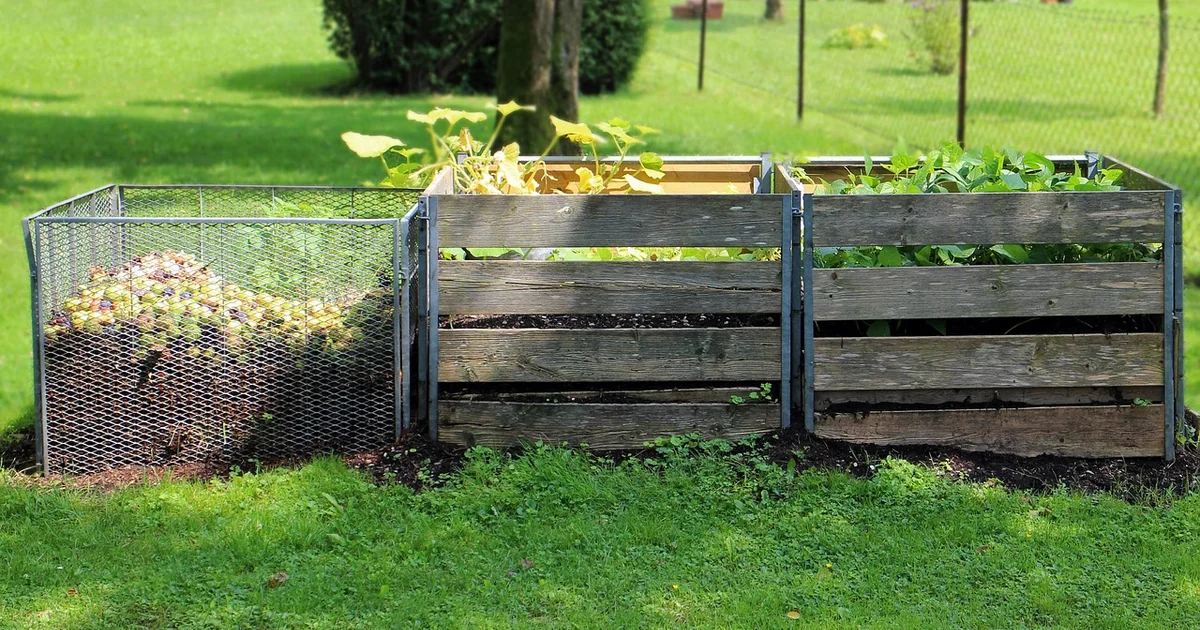
1. DIY Compost Bins From Wood
Wooden compost bins are a versatile and attractive addition to any garden. They are remarkably durable, often lasting for many years, and generally don’t require a significant investment or complex construction. Exploring DIY compost bin pallets and other wood compost bin ideas can spark your creativity. These bins offer a sturdy structure for decomposition, allowing for good airflow and heat retention, which are essential for efficient composting. The open nature of wood allows for easy turning of the compost pile, further accelerating the process. You can customize the size and design to fit your specific needs and garden aesthetics.
2. Lidded Compost Bin Tutorial
One popular design, detailed in a tutorial from Practically Functional, features a DIY compost bin with a latching lid. This feature helps to retain moisture and heat, creating an ideal environment for microbial activity. The construction prioritizes sturdy materials and ease of use, with convenient access to the compost at the bottom. The one-handed lid opening is a particularly handy feature. The tutorial provides comprehensive, step-by-step instructions, complete with photographs and diagrams, making it accessible even for beginner builders. A well-sealed lid also helps to minimize odors and deter pests, creating a more pleasant composting experience.
3. 3-Bin DIY Compost System
For gardeners serious about achieving optimal compost quality, a three-bin system is an excellent choice. Although the original tutorial is no longer available, the concept remains valuable. This setup allows for a continuous composting process. One bin can be used for fresh materials, the second for active decomposition, and the third for curing finished compost. This segmented approach ensures a steady supply of ready-to-use compost while allowing for efficient material processing. The tiered design also aids in aeration and drainage, promoting healthy microbial growth. A 3-bin system is a more substantial project but yields superior results for those committed to creating high-quality compost.
4. DIY Compost Bin From Pallets
Recycling materials is a sustainable practice, and using pallets for a compost bin perfectly embodies this principle. This cost-effective DIY compost bin from Growing a Greener World is an excellent option for those looking to repurpose materials. Pallets are readily available and often free, making this a very budget-friendly project. The simple construction involves assembling the pallets into a box-like structure, providing ample space for composting. The open sides allow for easy access to the compost pile for turning and harvesting. This method is ideal for those seeking a no-frills, eco-conscious composting solution.
5. Cheap Do-It-Yourself Compost Bin
Instructables offers a straightforward tutorial for a low-cost compost bin constructed from inexpensive fence pickets. This design emphasizes simplicity and affordability. The open-sided structure promotes good airflow, crucial for aerobic decomposition. The bin can be easily moved as needed, allowing you to position it in the most convenient location in your garden. The use of readily available materials minimizes the overall cost, making this a great option for beginners on a budget. This project highlights that creating an effective compost bin doesn’t necessitate expensive materials or intricate building techniques.
6. Easy Cedar Compost Bin
Cedar is a naturally rot-resistant wood, making it an ideal material for building a long-lasting compost bin. The compost bins featured on Birds and Blooms are constructed from cedar planks, and a key design element is the ability to slide out the bottom boards. This feature facilitates easy removal of finished compost from the base of the pile, while allowing you to continue adding fresh materials to the top. The natural oils in cedar also contribute to a healthier composting environment. While cedar can be more expensive than other wood options, its durability ensures a long lifespan for your compost bin.
You may also enjoy reading: Tried the Top 3 Most Effective DIY Weed Killers That Actually Work.
7. DIY Plastic Compost Bins
Plastic compost bins offer a lightweight and often more affordable alternative to wood. Black plastic bins are particularly effective because they absorb heat from the sun, which accelerates the composting process. Plastic is also easy to clean and maintain. These DIY plastic compost bins are generally simpler to construct than wooden bins, making them suitable for beginners. Numerous tutorials are available online, often utilizing repurposed plastic containers. The ease of construction and the heat-absorbing properties of black plastic make this a popular choice for those seeking a practical and efficient composting solution. A $10 DIY plastic compost bin idea from Young House Love demonstrates just how budget-friendly this option can be.
Whether you choose a wooden structure, a pallet-based design, or a simple plastic bin, embarking on a DIY compost bin project is a rewarding experience. Not only will you reduce waste and enrich your garden soil, but you’ll also gain a deeper understanding of the natural processes at work. The ability to customize the size and features of your compost bin ensures it perfectly fits your needs and garden space. You’ll be amazed by how quickly organic matter transforms into valuable compost, creating a healthier and more vibrant garden ecosystem.
Additional DIY Backyard Compost Bin Ideas
If none of the above designs quite fit your needs, there are other creative approaches to consider. For instance, an in-ground compost bin allows you to compost directly into your garden bed, enriching the soil section by section. This method is particularly effective for those with limited space. Another option involves repurposing a large trash can by drilling holes for aeration and adding a lid. Some builders even create tumbler-style compost bins using repurposed garbage cans mounted on a stand, allowing for easy rotation. Don’t be afraid to experiment and adapt designs to suit your unique circumstances. The possibilities for DIY compost bin creations are vast, offering a sustainable and rewarding way to manage your organic waste.
The benefits of composting extend far beyond simply creating fertilizer. The process significantly improves soil structure, increasing its ability to retain water and nutrients. Compost also introduces beneficial microorganisms that enhance soil health and suppress plant diseases. By incorporating compost into your garden, you’re fostering a thriving ecosystem that supports healthy plant growth. The journey to creating your own compost is an investment in your garden’s future and the health of the planet.