As the crisp winds of autumn give way to winter, you lovingly transition your prized houseplant collection indoors. You gather your tropical foliage—delicate Fiddle Leaf Figs, lush Monsteras, exotic Calatheas, and velvety Philodendrons—and arrange them on bright, sunlit windowsills to maximize the weak winter daylight.
Every single one of your plants is potted in the gold standard of traditional container gardening: classic, earthy, porous unglazed orange terracotta pots. For centuries, gardening manuals and plant influencers have praised terracotta as the ultimate breathable vessel that prevents overwatering, wicks away excess moisture, and promotes healthy root aeration.
Yet two weeks into December, a heartbreaking crisis unfolds. Your plants begin to decline rapidly. Lower leaves turn a sickly, translucent yellow and drop to the floor. The tips of new growth turn black and limp. You insert your finger into the soil: the potting mix feels cold, clammy, and wet. Assuming the plant is thirsty, you add more water, only for the decline to accelerate. Within a month, when you pull the root ball from the pot, a foul, swampy smell fills the air: the once-firm, white feeder roots have collapsed into black, mushy, rotten threads.
You assume you caught a fungal disease or suffered from winter lighting deficit. But the true culprit is a hidden thermodynamic trap: evaporative chilling and root zone hypothermia induced by the porous walls of unglazed terracotta.
While terracotta is magnificent during hot summer months, in a dry winter home, the physics of capillary evaporation turns clay pots into active refrigeration jackets. Internal soil temperatures plummet up to 10°F below room temperature, plunging tropical roots into catastrophic cold shock. By understanding the biophysics of latent heat of vaporization, root cell membrane fluidity, and the double-potting cachepot solution, you can permanently protect your indoor jungle and ensure vigorous winter survival.
The Thermodynamics of Evaporative Cooling: How Clay Becomes a Refrigerator
To understand why terracotta pots freeze plant roots in winter, you must examine the physical properties of fired unglazed clay.
Terracotta is molded from natural earthenware clay fired at low kilns temperatures (approximately 1,800°F to 2,000°F). Because it is not heated to the point of vitrification, the clay remains packed with an intricate, open network of millions of microscopic interconnected capillary pores.
When you water a plant in a terracotta pot, the dry clay immediately acts as a liquid wick. Water moves by capillary action from the moist soil into the wall of the pot, migrating outward until the entire exterior surface of the clay pot is damp.
Now, consider what happens when that damp pot sits inside a modern, heated winter home:
- The Desert-Like Winter Air: When outdoor winter air (at 30°F) is pulled inside and heated by a furnace or boiler to 68°F–70°F, its relative humidity (RH) plummets to an arid 15% to 25%.
- The Evaporation Engine: This massive humidity deficit exerts an aggressive pull on the moisture sitting on the exterior clay wall. Water evaporates at a rapid, continuous pace.
- The Latent Heat of Vaporization: Evaporation is an endothermic phase change. To transform liquid water into water vapor, energy must be absorbed from the immediate surroundings. That energy is thermal heat—specifically, 2,260 Joules of heat energy per gram of evaporated water.
As water continuously evaporates from the 360-degree cylindrical exterior of the terracotta pot, it actively sucks heat energy straight out of the wet soil inside. The pot functions on the exact same thermodynamic principle as ancient Middle Eastern “zeer pots” or evaporative swamp coolers: it acts as an evaporative refrigerator.
“In a dry, heated winter home, a wet terracotta pot is not just a flowerpot; it is an active evaporative cooling machine that extracts thermal heat from the soil twenty-four hours a day.”
The 10°F Temperature Drop: What Happens to Tropical Roots
Precision laboratory thermal testing with soil thermocouples reveals the shocking extent of this cooling effect:
Terracotta Soil Temperature = Ambient Room Air − 6°F to 10°F
If your living room thermostat is set to a comfortable 68°F (20°C), the root ball inside a wet terracotta pot sits at a chilly 58°F to 60°F (14°C to 15°C). And if that pot sits on an exterior windowsill where cold window downdrafts pull ambient temperatures down to 62°F, the soil drops to an icy 52°F to 54°F (11°C to 12°C)!
To native temperate outdoor trees (like pine or oak), 54°F soil is completely normal. But houseplants are not temperate trees; they are understory tropical organisms native to equatorial rainforests (the Amazon basin, Southeast Asia, Central America) where soil temperatures remain a constant 72°F to 80°F year-round.
When tropical roots are subjected to prolonged 54°F temperatures, three catastrophic biological breakdowns occur:
1. Cell Membrane Solidification (Phase Transition)
The plasma membranes of tropical plant root cells are composed of fluid lipid bilayers. When soil temperatures drop below 55°F (13°C), these lipid membranes undergo a physical phase transition: they solidify from a flexible, fluid liquid-crystalline state into a rigid, leaky gel. The cell membranes fracture, leaking vital mineral electrolytes and cellular sugars out into the surrounding soil.
2. The Physiological Drought Paradox
Water uptake in plants relies on specialized protein water channels embedded in root cell membranes, known as aquaporins. In cold soil, aquaporin enzymes become biologically paralyzed, and water viscosity increases by over 30%. The roots physically lose the ability to absorb water. The plant enters an acute state of physiological drought: its leaves wilt and turn limp from extreme dehydration, even though the soil surrounding the roots is soaking wet!
3. Anaerobic Fungal Invasion (Pythium Root Rot)
Because the paralyzed plant cannot drink, the water sits stagnant in the soil for weeks, driving out life-giving oxygen and creating an anaerobic swamp. The sugars and electrolytes leaking from the fractured root cells act as a dinner bell for cold-tolerant water molds and fungal pathogens—predominantly Pythium ultimum and Phytophthora. The fungi rapidly penetrate the paralyzed root cortex, liquefying the root system into mush.
Amazon US Verified
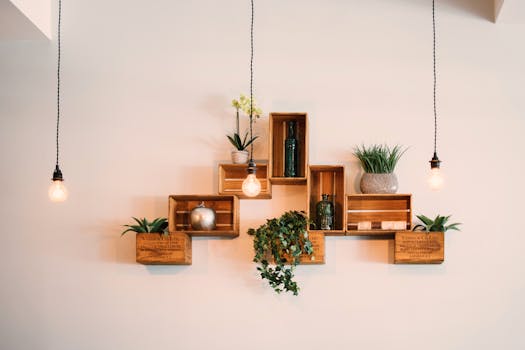
Glazed Ceramic Architectural Cachepot & Cork Trivet Set
Vitreous glazed ceramic decorative planter designed for double-potting plastic nursery containers, paired with thick dense cork thermal insulation pads that protect root zones from cold window sill conductances.
The Winter Protection Protocol: The Double-Potting Cachepot Solution
Does this mean you must throw away all your terracotta pots? No. Terracotta is magnificent in hot summer weather, where evaporative cooling prevents roots from cooking in 95°F heat. But in winter, you must establish an active thermal barrier protocol:
1. The Double-Potting Standard (The Cachepot System)
Professional botanical conservatories rarely plant tropical species directly into decorative porous containers. Instead, keep your plants in flexible plastic nursery pots with ample bottom drainage holes. Then, slip the plastic nursery pot inside a decorative glazed ceramic or stone cachepot.
This simple arrangement provides two layers of thermal defense:
- The non-porous plastic wall completely halts capillary water wicking, eliminating evaporative cooling at the source.
- The 1/2-inch air gap between the plastic pot and the outer ceramic cachepot acts as a high-efficiency insulating thermal buffer (similar to a double-pane storm window), keeping internal root temperatures matching warm room air.
2. The Windowsill Cork Insulation Pad
Never place a plant pot directly onto a bare stone, marble, quartz, or metal windowsill in winter. Cold glass panes conduct extreme cold into the sill, which transfers directly into the pot base through conductive heat transfer. Place a 1/2-inch thick dense natural cork coaster or wooden trivet beneath every container to break thermal bridging.
3. The Tepid Water Mandate
In winter, municipal tap water from the cold line often sits between 40°F and 48°F (4°C to 9°C). Pouring refrigerator-cold water directly into warm houseplant soil induces instant thermal shock. Always fill your watering can the night before and let it sit on the counter to reach room temperature (68°F), or mix a splash of hot water so the liquid feels neutral or lukewarm to your wrist before watering.
4. Back Away from Cold Glass Panes
During winter nights, the air within two inches of an exterior glass pane plunges down into the 40s. Pull your tropical plants 6 to 12 inches back from the glass. They will still capture generous ambient daylight without sitting in the icy nocturnal convection draft.
📥 Free Download: Terracotta Pot Evaporative Chilling & Root Care Field Guide
Latent heat cooling physics tables, root membrane phase transition charts, cachepot double-potting diagrams, and winter watering schedules.
The Golden Season Transition
When spring arrives in April and household windows are opened to warm, humid outdoor breezes, move your plants back into breathable terracotta. Let the porous clay sweat, breathe, and protect them from summer heat. But during the cold, dry months of winter, shield their delicate root zones with double-potting insulation. Your plants will reward you with lush, unblemished emerald foliage all winter long.
As an Amazon Associate, azuloz.com earns from qualifying purchases.