Creating a Tiny Oasis: Why Hummingbirds Love Swings
The gentle sway of a garden swing is synonymous with relaxation – a little slice of tranquility for humans. But did you know that hummingbirds, those tiny dynamos of the avian world, share a surprising affinity for these miniature perches? And the best part? You can whip one up in just fifteen minutes with minimal supplies.
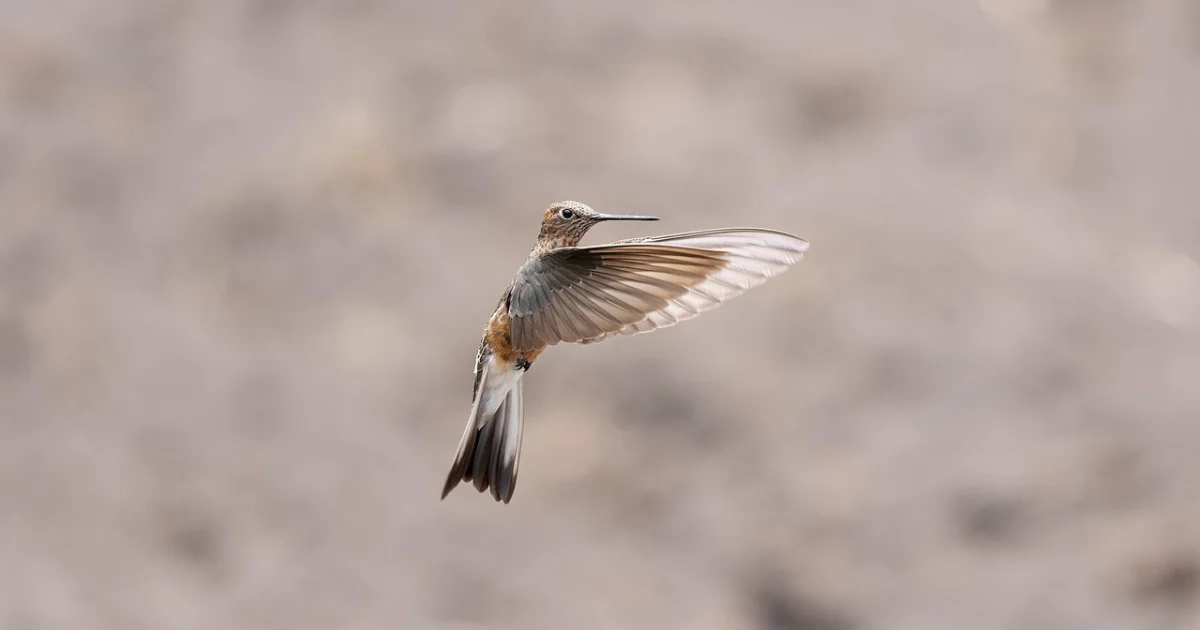
DIY hummingbird swings are a wonderful way to do just that. They can provide a calm, relaxing spot to rest and take a moment just for yourself, offering a respite for the birds and a delightful visual treat for you, too. Shop Hummingbird Swings There are lots of different hummingbird swings you can put in your backyard or pollinator garden. This simple project is a fantastic way to engage with nature, support pollinators, and add a touch of whimsy to your outdoor space. Let’s get started!
The Science Behind the Swing: Why Hummingbirds Flock to These Mini-Perches
Hummingbirds aren’t simply drawn to pretty things; their attraction to swings is rooted in instinct and necessity. During their incredible migrations, these tiny birds require frequent rest stops to replenish their energy reserves. They’re incredibly metabolically active, burning calories at a rate that’s astonishing – up to 300% their body weight in a single day! A swing provides a stable, secure surface where they can hover, feed on nectar, and briefly pause to catch their breath. It’s a miniature landing pad perfectly suited to their needs.
Furthermore, the tubular shape of hummingbird-attracting flowers – salvia, trumpet vine, bee balm – naturally aligns with a hummingbird’s body shape. They can easily hover and extend their long beaks to access nectar. The swing mimics this natural posture, offering a comfortable and convenient resting spot. Interestingly, studies have shown that hummingbirds prefer perches that offer a degree of stability, preventing them from being buffeted by wind. A well-constructed swing, with its sturdy wire and secure attachment, meets this critical requirement. The key to attracting them is color – particularly red. Hummingbirds have a highly developed sense of color vision, and red is the most strongly perceived hue by them. This is why red beads and pipe cleaners are crucial elements in a successful hummingbird swing design.
Materials You’ll Need: Assembling Your Tiny Retreat
Creating a DIY hummingbird swing is surprisingly simple and affordable. Here’s a breakdown of the materials you’ll need – most of which you can find at a dollar store or online for under $10:
- Craft Wire: 30 inches (76.2 cm) of 18 gauge or thicker wire. I recommend a jute twine covered wire for a rustic look, but standard craft wire works just fine. A thicker gauge wire (16 gauge or 14 gauge) will provide a more substantial perch, while a thinner gauge (18 gauge) is easier to bend.
- Stick or Dowel Rod: Approximately 6 inches (15cm) long. A small twig or dowel rod will work perfectly.
- Red Beads: Approximately 20-30 beads. These will add color and visual appeal, and, of course, attract hummingbirds.
- Red Pipe Cleaner (Optional): For adding extra red accents and securing the beads.
- Wire Cutters or Scissors: For cutting the wire.
- Needle-Nose Pliers (Recommended): For wrapping the wire around the stick and securing the beads.
Step-by-Step Instructions: Building Your Hummingbird Swing
Let’s walk through the process of building your DIY hummingbird swing, step-by-step. It really is a quick and easy project!
- Cut the Wire: Start by cutting a 30-inch (76.2 cm) length of craft wire. If using a thicker gauge wire, you can cut a 15-inch (38 cm) length.
- Bend & Twist the Wire: Bend the wire in half to create a stronger cord. Thread the red beads onto the wire as you twist, creating a colorful chain. If the wire is too thick for the beads to fit, continue twisting until the beads are snug.
- Attach the Wire to the Stick: This is where the pliers come in handy. Wrap the ends of the wire tightly around the ends of your stick or dowel rod. Ensure the wire is securely fastened to prevent it from slipping. Use the pliers to bend the wire into a “U” shape, creating a stable perch.
- Add a Touch of Red (Optional): For an extra burst of color, wrap a red pipe cleaner around the beads, securing them in place. This adds a decorative element and further enhances the swing’s attractiveness to hummingbirds.
Placement Matters: Where to Hang Your New Swing for Maximum Impact
Simply hanging your DIY hummingbird swing isn’t enough. Strategic placement is key to attracting hummingbirds and ensuring they actually use it. Here are some tips:
You may also enjoy reading: 5 Unbeatable Summer Bulbs That Thrive in Neglect and Deliver Show-Stopping Results.
- Near Nectar Sources: The most important factor is proximity to flowers that produce nectar. Place the swing within 10-15 feet of salvia, trumpet vine, bee balm, or other hummingbird favorites.
- Sheltered Location: Choose a location that’s partially shaded and protected from strong winds. Hummingbirds prefer a calm and stable environment.
- Height: Hang the swing at a height of 3-6 feet off the ground. This provides a comfortable resting spot for hummingbirds, while still being accessible to you.
- Branch or Hook: Secure the swing to a sturdy branch or use a hook attached to a post or fence. Make sure the attachment is strong enough to support the weight of a hummingbird.
Beyond the Basics: Variations and Enhancements for Your Hummingbird Swing
Once you’ve mastered the basic DIY hummingbird swing, you can explore some variations and enhancements to create a truly unique and captivating perch. Here are a few ideas:
- Different Bead Colors: Experiment with different bead colors to see which ones attract the most hummingbirds. While red is the most effective, combinations of red, orange, and yellow can also be appealing.
- Natural Materials: Incorporate natural materials like twigs, moss, or dried flowers to create a more rustic and organic look.
- Larger Perch: Use a thicker dowel rod or branch for a larger, more stable perch.
- Multiple Swings: Create a hummingbird “swing set” by hanging multiple swings at different heights.
Addressing Common Challenges: Troubleshooting Your DIY Swing
Even with careful planning, you might encounter a few challenges when building your DIY hummingbird swing. Here’s how to address some common issues:
- Wire Slipping: If the wire is slipping off the stick, wrap it more tightly with the pliers. You can also use a small dab of glue to secure it in place.
- Beads Falling Off: If the beads are falling off the wire, use a stronger pipe cleaner to secure them or try threading them onto a thicker wire.
- Swing Swaying Too Much: If the swing is swaying too much in the wind, try using a heavier stick or adding more weight to the base.
The Bigger Picture: Supporting Hummingbirds and Pollinators
Creating a DIY hummingbird swing is more than just a fun garden project; it’s a valuable contribution to supporting these incredible pollinators. Hummingbirds play a crucial role in our ecosystem, pollinating a wide variety of plants and contributing to the health of our natural environment. By providing them with a safe and comfortable resting spot, you’re helping them thrive and continue their vital work.
In addition to building hummingbird swings, you can also take other steps to support hummingbirds and pollinators in your garden, such as planting nectar-rich flowers, providing a source of water, and avoiding the use of pesticides. Creating a diverse and welcoming habitat will not only attract hummingbirds but also benefit a wide range of other beneficial insects and wildlife.
Resources for Further Exploration
If you’re interested in learning more about hummingbirds and their conservation, here are some helpful resources:
- The Hummingbird Society:
- The Cornell Lab of Ornithology – Hummingbirds:
- Audubon Society – Hummingbirds:

![Ordinary Celebrations [and a recipe for Chocolate Chip Cupcakes]](https://azuloz.com/wp-content/uploads/azuloz-349IVCpA-370x297.webp "Ordinary Celebrations [and a recipe for Chocolate Chip Cupcakes]")