Bringing Spring Indoors: A Step-by-Step Guide to Growing Wheatgrass
The scent of fresh grass is inextricably linked to springtime, a feeling of renewal and vibrant life. But what if you could capture that essence and bring a touch of the outdoors inside, even during the depths of winter? Growing wheatgrass isn’t just a quirky gardening project; it’s a surprisingly simple and rewarding way to cultivate a miniature ecosystem, create unique decorations, and even learn a little about the natural world. Let’s make a wheatgrass centerpiece using some basic things from around the house. This is super easy, even if you’ve never grown wheatgrass before. You can make shapes — like an initial. It’s a fun project for kids, and it’s a low-maintenance indoor project that promises a little dose of whimsy. Let’s dive into how to transform humble wheat berries into a flourishing, miniature grassscape.
The Basics: What You Need to Get Started
The beauty of this project lies in its simplicity and affordability. You likely already have many of the materials you’ll need. Let’s break down the essentials:
- Wheat Berries: The star of the show! Hard red winter wheat berries are generally the easiest to work with, and you can find them at most health food stores or bulk food sections. Approximately 1 cup should be sufficient for a small project.
- Potting Soil: Choose a good quality, peat-free potting mix. A well-draining mix is crucial for preventing root rot.
- Container: A mason jar, a vintage pie plate, or any shallow dish will work beautifully. The size will dictate the scale of your wheatgrass creation.
- Rocks or Pebbles: These create a vital drainage layer at the bottom of your container, preventing the roots from sitting in soggy soil.
- Newspaper or Parchment Paper: This is used to cover the soil and wheat berries during the initial sprouting phase, helping to retain moisture and prevent excessive drying.
Soaking the Wheat Berries: The Initial Preparation
The first step is to thoroughly hydrate the wheat berries. This is a critical stage, as properly soaked berries will germinate much more effectively. It’s a surprisingly scientific process, involving a bit of controlled dormancy breaking. The key is to create a damp environment that encourages the berries to swell and activate their germination potential.
To begin, place the wheat berries in a jar and cover them completely with water. Aim for about twice the volume of wheat berries in water. A good rule of thumb is approximately 2 cups of water per 1 cup of berries. Then, cover the jar tightly with a lid or plastic wrap. Now, let them soak for 12 hours. This allows the outer hull of the wheat berry to soften, making it easier for the embryo inside to absorb water and begin the germination process. The water temperature should be around 70-75°F (21-24°C) for optimal results. A slightly warmer temperature will speed up the process, but avoid extremes.
Preparing Your Planting Space: Creating the Foundation
Once the wheat berries have soaked, it’s time to prepare your planting container. This is where you get to get creative with your design. I prefer to use a pie plate—it’s a classic, and it creates a nice, contained space for the wheatgrass to grow. The key here is drainage. Layering the rocks is paramount.
First, add a layer of rocks or pebbles to the bottom of your chosen container – about an inch or two deep. This will prevent the soil from becoming waterlogged and suffocating the wheat berry roots. Next, add a layer of potting soil, filling the container almost to the brim. Gently pat down the soil to create a firm, even surface. If your soil is particularly dry, you can add a bit of water to help it settle and provide a more hospitable environment for the wheat berries. You can fill the whole container with a “lawn” of wheatgrass, or you can make shapes — like an initial. Consider the overall aesthetic you’re aiming for – a wild, natural look, or a more structured, geometric design. Don’t be afraid to experiment!
Shaping Your Wheatgrass: Tracing Letters and Creating Designs
This is where the project truly becomes personalized. You can create a variety of shapes and designs with your wheatgrass. The most common approach is to trace a letter in the dirt to create a wheatgrass shape. This is a fantastic activity for children, as it combines creativity with a hands-on learning experience. It’s also a beautiful way to personalize a small gift or create a unique piece of décor.
To trace a letter, simply use your finger or a small stick to draw the desired shape directly into the soil. Then, carefully sprinkle the soaked and drained wheat berries onto the soil surface within the traced outline. Repeat this process, adding more berries until the entire letter is covered with a dense layer of wheat. You’ll want them in one nice, even layer. This might require a little patience and some gentle rearranging of the berries to ensure a uniform appearance.
Beyond letters, you can explore other shapes – geometric patterns, simple floral designs, or even miniature landscapes. The possibilities are limited only by your imagination. For example, you could create a chevron stripe by alternating rows of wheat berries in a diagonal pattern. Or you could build a miniature mountain range by layering the berries in undulating waves.
Covering and Caring: Maintaining the Sprouting Process
Now comes the crucial part: maintaining the moisture level and providing the right conditions for germination. During the initial sprouting phase, it’s vital to keep the wheat berries and soil lightly covered with newspaper or parchment paper. This will help retain moisture and prevent the soil from drying out too quickly. A little humidity is key.
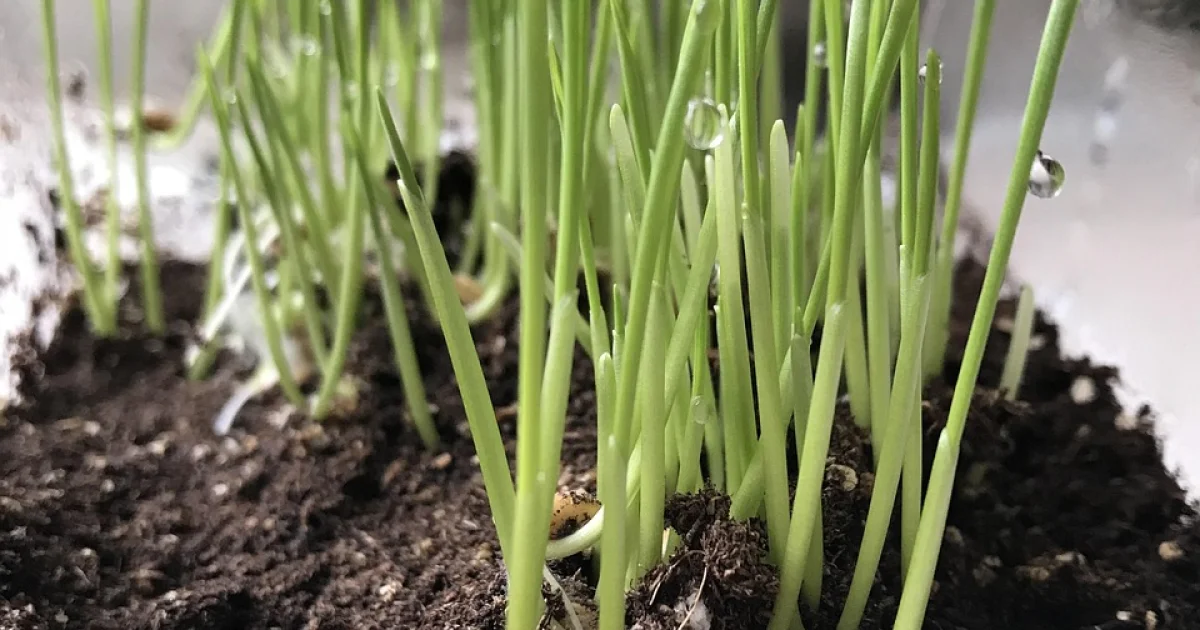
Place your wheatgrass creation in a warm, brightly lit location – but avoid direct sunlight, which can scorch the delicate sprouts. A north-facing windowsill is often an ideal choice. Check the moisture level daily and mist the soil lightly with water if it appears dry. Don’t overwater – soggy soil is a breeding ground for fungal diseases. You’ll want to keep them lightly covered with newspaper for a day or two all the while making sure to keep the berries and soil damp – not wet. The newspaper will gradually be removed as the sprouts grow.
When to Move to Sunlight: Transitioning to a Growing Environment
Once the wheatgrass sprouts reach about an inch in height, it’s time to move your miniature garden to a brighter location. A spot near a south-facing window is ideal, providing ample sunlight for healthy growth. However, be mindful of the intensity of the sunlight, especially during the summer months. If the sprouts begin to stretch towards the light, they may become leggy and uneven. You can use a sheer curtain to diffuse the sunlight and create a more even illumination.
You may also enjoy reading: "13 Secrets to Mastering the Botanical Bento Method for Stunning Compartmentalized….
Continue to monitor the moisture level and mist the soil lightly as needed. Trim the wheatgrass with kitchen scissors to maintain its shape and encourage bushier growth. Regular trimming also helps to prevent the wheatgrass from becoming overgrown and unruly. It doesn’t take long for the grass to get unruly. Carefully trim it up with your kitchen scissors and you’re good to go!
Troubleshooting: Addressing Common Challenges
Even with careful planning and execution, you may encounter some challenges along the way. Here are a few common issues and how to address them:
What if the wheat berries aren’t soaking properly?
Several factors can contribute to this issue. Ensure that the water temperature is within the recommended range (70-75°F). Also, check that the wheat berries are fully submerged in water. If using a shallow container, you may need to add more water. If the berries are old, they may have lost their viability. Try using fresh berries from a reputable source. Finally, the type of wheat berry can make a difference – lighter colored berries sometimes absorb water more readily than darker ones.
How do I ensure the wheatberries don’t dry out too quickly?
Maintaining adequate humidity is key. Regularly mist the soil with water, especially during dry weather. The newspaper covering helps tremendously. Also, avoid placing the wheatgrass in a drafty location. A closed-off window or a room with poor ventilation can quickly dry out the soil.
Why does covering the wheatberries with newspaper help them grow?
The newspaper creates a microclimate that retains moisture, preventing the soil from drying out too quickly. It also blocks out excessive light, which can inhibit germination. As the wheatgrass sprouts grow, you can gradually remove the newspaper, allowing them to receive more direct sunlight. This gradual transition helps them adapt to the brighter conditions and promotes healthy growth.
Beyond the Basics: Expanding Your Wheatgrass Creations
Once you’ve mastered the basics of growing wheatgrass, you can explore more advanced techniques and creative applications. Consider experimenting with different container shapes and sizes. You can create miniature landscapes by layering the wheatgrass with decorative pebbles and moss. Or you can use wheatgrass to create unique floral arrangements – simply arrange the sprouts in a vase or container and add a few sprigs of greenery for a touch of natural elegance.
Another fun project is to create wheatgrass “mats” – densely packed layers of wheat berries that resemble miniature lawns. These mats can be used as decorative accents in terrariums, miniature gardens, or even as centerpieces for small events. You can even use a small, shallow dish to create a wheatgrass “lawn” that can be used as a tabletop decoration – a little dose of whimsy for your dining table.
For a truly unique and personalized gift, consider creating a custom wheatgrass centerpiece featuring the recipient’s initials or a favorite design. This is a thoughtful and creative way to show someone you care, and it’s a project that’s sure to bring a smile to their face. Imagine a reader who wants a unique and natural centerpiece for their dining table. Or for someone who is looking for a simple craft project to do with their children. Consider a gardener facing a limited outdoor space who wants to bring a touch of greenery indoors.