When you spot a trail of large black ants marching across your kitchen counter, your first thought might be annoyance. But those insects could be carpenter ants, and they represent a much bigger problem than a sugar bowl invasion. Unlike common house ants, carpenter ants excavate wood to build their nests, slowly compromising the timber that holds your home together. Understanding how to perform effective carpenter ant control is essential for protecting your property from silent structural damage.
Early Detection Is Key
Recognizing a carpenter ant problem early can save you thousands of dollars in repairs. These pests are active at night, so you might hear faint rustling sounds within walls or wooden beams. Look for small piles of coarse sawdust, called frass, beneath windowsills or door frames. This debris often contains fragments of insects and wood particles, a telltale sign of excavation.
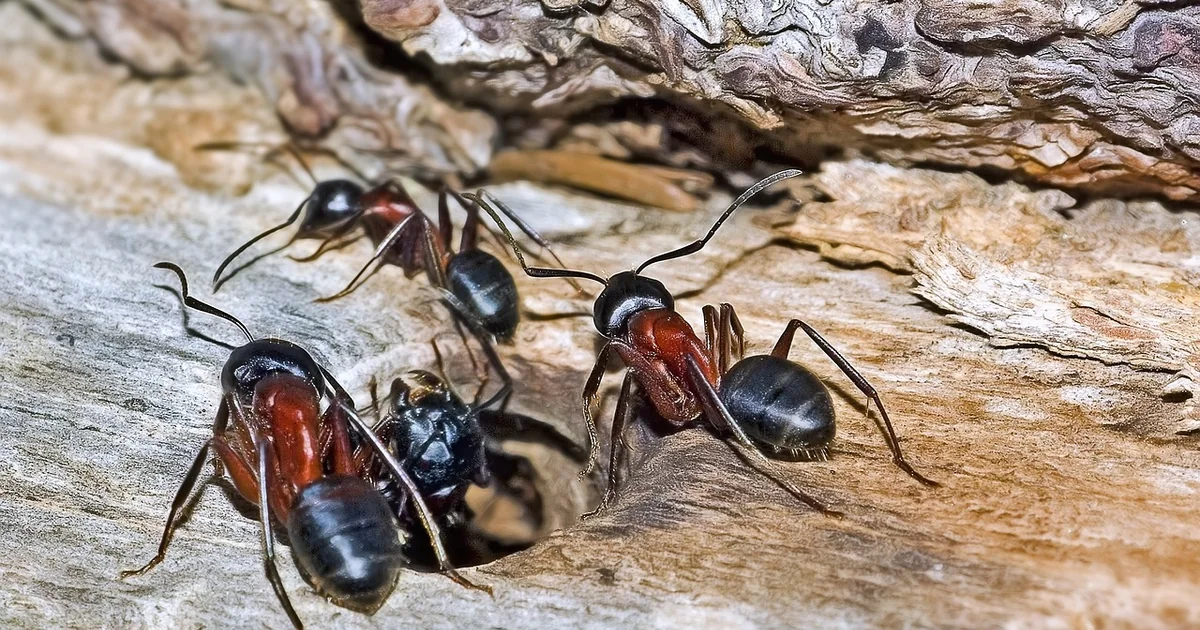
Carpenter ants are large compared to other ants. Workers range from 3/8 to 3/4 inch long. The queen can reach up to one inch in length. Their bodies are dark brown or black, and they have a narrow waist with one node. When viewed from the side, the thorax appears evenly rounded. Their antennae are bent, not straight like those of many other ants.
These features help distinguish them from termites, which have straight antennae and no narrow waist. Misidentification often leads homeowners to use the wrong treatments, wasting time and money while the colony expands. Accurate identification is the first step toward successful carpenter ant control.
Damage Caused by Carpenter Ants
The damage carpenter ants inflict is unique. They do not eat wood like termites; instead, they carve out smooth, clean tunnels to create nesting galleries. These galleries often cut across the grain of the wood, weakening its structural integrity. Common target areas include door casings, windowsills, joists, wall studs, porch pillars, and crawl spaces.
These ants rarely tunnel into dry, sound wood. They are drawn to moist, rotting wood that is already compromised. A moisture problem in your home might attract them from the yard. Over time, the excavation can cause walls to sag, floors to become uneven, and support beams to lose their load-bearing capacity. In severe cases, repairs can cost upwards of $5,000 or more, according to industry estimates. Early intervention through proper carpenter ant control prevents this kind of expense.
Effective Carpenter Ant Control Starts with Nest Elimination
Carpenter ants are challenging to eliminate because they operate a central nest outdoors, often in a wood pile, tree stump, or hollow tree, and several satellite nests inside the home. The satellite nests are where the worker ants gather food and care for the young. To achieve true eradication, you must address both the primary and satellite nests.
To locate a nest inside, follow the ant trails at night with a flashlight. Listen for rustling sounds in walls. Look for small openings or cracks where ants enter and exit. Once you find a nest, you can destroy it with a simple DIY solution. Drill small holes into the infested wood, about 1/8 inch in diameter, spaced every six inches. Inject a boric acid solution through the holes using a syringe or spray bottle.
How to Prepare a Boric Acid Solution
Mix one teaspoon of boric acid powder with one cup of warm water. Stir until the powder dissolves completely. Pour the mixture into a spray bottle or use a syringe to inject it directly into the drilled holes. Repeat this treatment every few days for two weeks. The boric acid acts as a slow-acting poison that ants bring back to the colony, spreading it among other members.
Alternative: Diatomaceous Earth
Diatomaceous earth is another natural option. This fine powder is made from fossilized algae and works by dehydrating the ants. Apply a thin layer of food-grade diatomaceous earth near nest entrances, ant trails, and behind baseboards. Use a bulb duster to blow it into cracks and crevices. Avoid inhaling the dust, as it can irritate lungs. Wear a mask during application.
Insecticidal dusts containing silica gel or pyrethrins are also effective for deep crevices. These products stay active for months if kept dry. Both methods are cornerstones of reliable carpenter ant control.
Reduce Moisture to Deter Nesting
Moisture is the number one invitation for carpenter ants. They are biologically programmed to seek out damp, decaying wood for their nests. Without excess moisture, your home becomes far less attractive to them. Addressing moisture issues is a passive but powerful form of carpenter ant control.
Fix Leaks and Improve Drainage
Start by inspecting your home for plumbing leaks. Check under sinks, around toilets, and near washing machines. Repair any dripping pipes promptly. Also, examine the exterior of your home. Ensure gutters and downspouts direct water away from the foundation. Clean gutters regularly to prevent overflow that soaks the siding.
Improve Ventilation in Damp Areas
Basements, crawl spaces, and attics often have poor airflow. Install vents or a dehumidifier to reduce humidity levels below 50 percent. For crawl spaces, use a vapor barrier to prevent ground moisture from rising into the wood. Ventilate bathrooms with exhaust fans after showers. These steps create an environment that carpenter ants avoid, making your moisture reduction efforts a critical component of long-term carpenter ant control.
Eliminate Standing Water
Empty birdbaths, pet bowls, and plant saucers regularly. Repair any outdoor faucets that leak. Remove puddles that form near the foundation. Even small amounts of standing water can attract ants, especially during dry seasons. By eliminating moisture sources, you remove the conditions that sustain a colony.
Carpenter Ant Control via Disrupting Pheromone Trails
Carpenter ants rely heavily on scent trails to travel between their nest and food sources. They lay down pheromones that other ants follow. If you destroy these trails, you confuse the ants and reduce their ability to forage. This method works best when combined with other strategies like nest elimination.
Use Household Cleaners
A simple solution of vinegar and water can mask scent trails. Mix equal parts white vinegar and water in a spray bottle. Spray this solution along ant trails, baseboards, windowsills, and entry points. The strong smell disorients the ants and breaks their communication. Repeat this daily until you see no more ant activity.
Essential Oils as Repellents
Essential oils offer a pleasant-smelling alternative. Peppermint oil, tea tree oil, and citrus oils are particularly effective. Mix 10 to 15 drops of essential oil with one cup of water in a spray bottle. Shake well and spray directly onto ants when you see them, or along their known paths. The oil disrupts their exoskeleton and respiratory system, while the scent overpowers their pheromones.
Ammonia-Based Solutions
Ammonia is another powerful trail destroyer. Dilute one part ammonia with ten parts water. Spray this mixture onto ant trails and around suspected nest entrances. The strong odor quickly breaks down the chemical signals ants use to navigate. Be careful when using ammonia indoors; ensure good ventilation and avoid mixing it with bleach, as this creates toxic fumes.
Chemical Carpenter Ant Control Options
For moderate to severe infestations, chemical insecticides are often necessary. These products contain active ingredients designed to kill ants on contact or through ingestion. They provide a fast-acting solution when natural methods are insufficient. Always follow the manufacturer’s instructions carefully. Wear gloves and protective eyewear during application.
Contact Sprays and Residual Sprays
Contact sprays kill ants immediately when sprayed directly on them. Products containing bifenthrin, deltamethrin, or permethrin are common. These chemicals also leave a residual barrier that continues to kill ants for several weeks. Apply them to baseboards, window frames, door thresholds, and other entry points. For outdoor use, spray a perimeter band around the foundation, about two feet wide, to intercept ants entering from outside.
You may also enjoy reading: 5 Secrets for Scrumptious Oven Roasted Whole Chicken.
Microbial Insecticides
If you prefer environmentally friendly options, consider microbial insecticides. These products use naturally occurring fungi such as Beauveria bassiana or Metarhizium anisopliae. The fungi infect carpenter ants, multiply inside their bodies, and kill them within a few days. These fungi are rare harmful to humans, pets, or beneficial insects when used as directed. They break down quickly in the environment, making them a sustainable choice for carpenter ant control.
Dusts and Baits
Insecticidal dusts like silica aerogel or diatomaceous earth can be puffed into wall voids, cracks, and electrical outlets. These dusts adhere to ants and are carried back to the nest, spreading the poison. Baits are also available in chemical form, containing slow-acting insecticides that ants take back to feed the colony. Choose baits specifically labeled for carpenter ants, as they are formulated to attract these species.
Use Baits and Traps Strategically
Baits are one of the most effective tools for carpenter ant control because they target the entire colony, not just the workers you see. The ants carry the poisoned bait back to the nest, where it is shared with the queen and other colony members. This method can wipe out the entire colony in several weeks.
Protein-Based vs. Sugar-Based Baits
Carpenter ants have changing nutritional needs. In spring and early summer, they crave protein to feed their developing larvae. Later in the season, they prefer sugars. To succeed, you must use the correct bait at the right time. If one bait type is ignored, switch to the other. Many commercial products offer both options in a single station.
DIY Sugar and Baking Soda Trap
A simple homemade trap can be effective. Mix equal parts granulated sugar and baking soda. Place the mixture in shallow lids or bottle caps along ant trails. The sugar attracts the ants, while the baking soda reacts with their digestive system, killing them. This method works best when combined with other control measures, as it only affects foraging ants.
Placement Tips
Place bait stations near ant trails, but not directly on them, as the ants might avoid them if too many workers are present. Put them near baseboards, behind appliances, and next to suspected nest entrances. Do not spray insecticides near baits, as this will contaminate the bait and repel ants. Check stations regularly and replace them if they dry out or become full.
When to Call Professional Pest Control
Despite your best efforts, some infestations are simply too large or hidden for DIY methods. Carpenter ants often build nests in wall voids, under insulation, or in structural beams that are inaccessible. If you have treated nests, reduced moisture, and used baits for several weeks with no improvement, it is time to call in experts.
Signs That Professional Help Is Needed
Look for persistent frass piles, widespread ant activity throughout multiple rooms, or visible structural damage. You might also find ants emerging from cracks in walls or ceilings, indicating a well-established colony. Professionals have access to industrial-grade insecticides and specialized equipment like thermal imaging cameras to locate hidden nests. They can also perform a comprehensive inspection of your home’s exterior to identify outdoor colonies.
What Professionals Do Differently
A licensed pest control technician will first identify the exact species and locate all nest sites using baits and monitoring. They may drill small holes and inject foam or dust directly into wall voids. They also apply long-lasting perimeter treatments to keep ants out after the nest is eliminated. In severe cases, they might recommend structural repairs, such as replacing rotted wood, to prevent re-infestation. The cost of professional carpenter ant control typically ranges from $200 to $600 for a single treatment, depending on the extent of the problem.
Prevent Future Infestations Through Home Maintenance
The most sustainable form of carpenter ant control is prevention. Once you have eliminated the current problem, take steps to make your home unattractive to future colonies. These measures focus on removing conditions that carpenter ants seek out.
Remove Decaying Wood and Debris
Inspect your property for rotting stumps, fallen branches, and dead trees. Remove them promptly, as they serve as natural nesting sites. Store firewood at least 20 feet away from your home, and keep it raised off the ground. Never stack wood against the foundation. Trim tree branches and shrubs that touch the house, as ants use them as bridges to access your roof or siding.
Seal Entry Points
Walk around your home and look for cracks and gaps. Seal any openings around pipes, wires, vents, and windows with silicone caulk. Install weather stripping under doors. Repair damaged screens on windows and vents. Even a tiny gap of 1/8 inch can allow carpenter ants to enter. A thorough seal reduces the need for ongoing carpenter ant control.
Maintain the Yard
Keep mulch pulled back from the foundation, as it retains moisture and provides cover for ants. Use gravel or stone instead of organic mulch near the house. Mow the lawn regularly and remove leaf litter. Ensure that soil slopes away from the foundation to prevent water pooling. Regular lawn care and tree maintenance are simple but powerful habits that deter carpenter ants from setting up shop near your home.
By combining these prevention strategies with the methods above, you can protect your home from carpenter ants and avoid the costly damage they cause. A consistent approach that addresses moisture, eliminates nests, and blocks entry points will give you peace of mind year after year.