Why Most Home Cooks Avoid Whole Roast Chicken
Walking past the poultry section at the grocery store, many shoppers reach for pre-cut parts instead of a whole bird. The reasoning makes sense. A whole chicken looks intimidating. It has cavities, flaps of skin, and sometimes a bag of mysterious parts tucked inside. The fear of serving dry meat or undercooked poultry keeps people stuck in the boneless-skinless-breast routine. But here is the truth that changes everything. With five straightforward secrets, anyone can produce juicy meat and crackling-crisp skin without stress or special equipment.
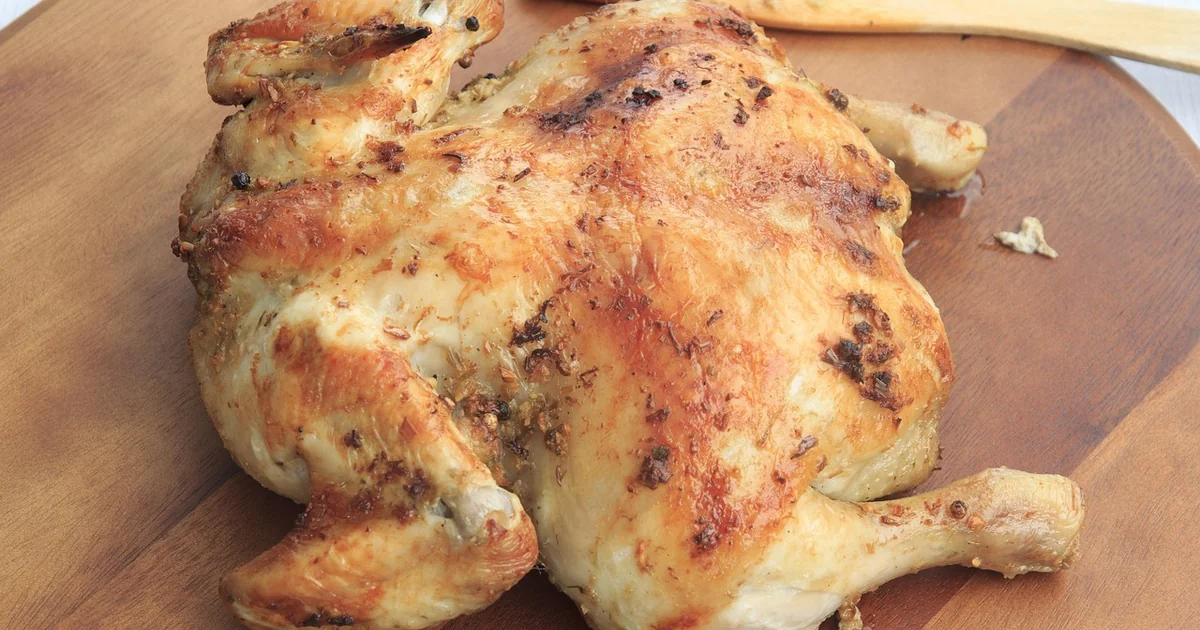
Secret Number One: Preheat the Pan for Instant Sizzle
The first secret surprises most beginners. You do not place the chicken into a cold pan and slide it into a cold oven. Instead, the pan goes inside while the oven heats up. This simple step transforms the final result.
Set your oven to 425°F. Place a large oven-safe skillet or a metal roasting pan on the center rack while the oven preheats. Let that pan sit in the heat for at least fifteen minutes. The metal becomes intensely hot. When you set the seasoned bird onto that scorching surface, the skin immediately begins to sear. That searing action locks in moisture and starts the crisping process from the very first second.
Choose your pan material carefully. Cast iron works beautifully because it holds heat evenly and transfers that heat directly to the chicken skin. Enamel-coated cast iron, like Le Creuset, performs just as well. Stainless steel with a heavy bottom also works. Avoid glass baking dishes and ceramic pans entirely. These materials cannot withstand the sudden temperature change when a cold chicken touches a blazing-hot dish. They crack. Every time.
This technique gives the breast meat a slight head start. The breast sits directly on the hot surface while the darker leg and thigh meat faces upward toward the circulating oven air. Dark meat needs more time to reach tenderness, so this positioning helps everything finish at the same moment.
Secret Number Two: Dry Skin Is the Only Path to Crispness
Moisture is the enemy of crispy skin. Water on the surface turns to steam inside the oven. Steam softens the skin instead of allowing it to brown and crunch. The second secret involves removing every trace of moisture before the bird ever touches heat.
Remove the chicken from its packaging. Pull out the bag of giblets and neck from the cavity. Some cooks dice these parts and add them to gravy for extra depth of flavor. Others discard them. Either choice works fine.
Rinse the chicken under cool running water. This step removes any residual liquid from the packaging process. Then comes the critical move. Take paper towels and pat the entire surface dry. Get into every crevice. Dry the wings, the legs, the back, and the cavity opening. Change towels if one becomes too wet. The skin should feel tacky and dry to the touch, not slippery or damp.
After drying, drizzle olive oil over the bird. Use your hands to rub the oil evenly across every surface. The oil serves two purposes. It helps conduct heat to the skin for even browning. It also helps salt and seasonings adhere to the surface. Do not skip the oil. A dry, unoiled chicken will not develop that golden-brown crackling exterior that makes roast chicken so satisfying.
Secret Number Three: Generous Seasoning Transforms Plain Bird into Something Memorable
Underseasoning ruins more roast chickens than any other mistake. The third secret is simple. Use more salt and pepper than feels comfortable. A whole chicken weighs several pounds. The seasoning needs to penetrate beyond the surface to reach the meat underneath.
Start with kosher salt or sea salt. Table salt works but dissolves too quickly and can create a harsh taste. Sprinkle salt evenly over the entire bird. Use about one teaspoon of salt per pound of chicken as a rough guide. That means a six-pound bird gets about two tablespoons of salt total. Spread it across the breast, the legs, the thighs, and the back. Get some inside the cavity as well.
Add freshly ground black pepper in the same generous fashion. From there, the seasoning options become personal. Dried thyme adds an earthy note that pairs naturally with poultry. Rosemary brings a piney fragrance. Garlic powder provides savory depth without the risk of burning that fresh garlic carries. Paprika adds color and a mild sweetness. Lemon pepper brightens the flavor profile.
Here is a practical tip that many cooks overlook. Season the bird and then let it sit uncovered in the refrigerator for two to four hours before roasting. This dry-brining step allows the salt to penetrate deeper into the meat. The exposed skin dries further in the cool air, which improves crisping. If time does not allow for dry brining, season generously right before the pan goes into the oven. The results will still impress.
Do not worry about tying the legs together or stuffing the cavity with lemon halves. These steps are optional. They add visual appeal and subtle flavor, but they do not make or break the final dish. A plain seasoned chicken roasted without any trussing or stuffing produces excellent results. Keep things simple if that feels more comfortable.
Secret Number Four: Temperature and Timing Require Trust but Also Verification
The fourth secret combines two elements. Understanding the correct roasting time removes guesswork. Knowing how to verify doneness eliminates anxiety. Together, these two pieces of knowledge make anyone feel confident.
Roast at 425°F for approximately fifteen minutes per pound. A five-pound chicken needs about seventy-five minutes. A six-pound bird needs about ninety minutes. Begin checking for doneness about ten minutes before the estimated time arrives. Ovens vary. Chicken shapes vary. A slightly smaller bird or a more compact shape may finish earlier than expected.
The most reliable tool for verification is an instant-read meat thermometer. Insert the probe into the thickest part of the thigh without touching the bone. The United States Department of Agriculture states that poultry reaches safety at an internal temperature of 165°F. The breast should also register 165°F when measured deep in the meat.
Not everyone owns a meat thermometer. That is fine. Two simple tests work without one. First, grasp the drumstick and wiggle it gently. If the leg joint moves freely and feels loose, the chicken is likely done. Second, insert a knife or fork into the thickest part of the thigh and hold it there for fifteen to twenty seconds. Remove the utensil and look at the juices that escape. Clear juices indicate doneness. Pink or red juices mean the bird needs more time.
Here is a fact that surprises many home cooks. High-quality chicken may still appear slightly pink near the bone even after reaching a safe internal temperature. This pink coloration comes from hemoglobin in the bone marrow, not from undercooked meat. The texture tells the real story. Cooked chicken feels firm and opaque. Undercooked chicken appears translucent and feels rubbery. Trust texture over color when judging doneness.
You may also enjoy reading: 5 Secrets Arborists Told Me About Pruning Dogwood Trees.
Secret Number Five: Resting Is Not Optional
The fifth secret is the one most people ignore. After the chicken comes out of the oven, it needs to rest before anyone touches it. Carving too early releases all the juices onto the cutting board. The meat turns dry and disappointing.
Transfer the roasted bird to a cutting board or a clean platter. Tent it loosely with aluminum foil. Do not wrap it tightly. Tight wrapping traps steam and softens the crispy skin. A loose tent allows the heat to distribute evenly while keeping the surface exposed to air.
Let the chicken rest for at least ten minutes. Fifteen minutes is better. For a large bird approaching seven or eight pounds, twenty minutes may be appropriate. During this time, the internal temperature continues to rise by about five to ten degrees. This phenomenon is called carryover cooking. The meat finishes cooking gently without additional heat. The juices redistribute throughout the muscle fibers instead of pooling in the center.
When the resting period ends, the chicken is ready to carve. The skin remains crisp. The meat stays juicy. Every slice holds moisture. This simple pause transforms a good roast chicken into a spectacular one.
Putting All Five Secrets Together
The complete process flows smoothly once these five secrets become habit. Preheat the pan while the oven reaches 425°F. Pat the chicken completely dry and coat it with olive oil. Season generously with salt, pepper, and any preferred herbs. Roast at fifteen minutes per pound, checking for doneness with a thermometer or the wiggle test. Let the bird rest under a loose foil tent for at least ten minutes before carving.
This approach works with any whole chicken regardless of size. A small three-pound bird works well for two people with leftovers for sandwiches. A seven-pound roaster feeds a family of four with plenty of meat for soups and salads later in the week. The same five secrets apply at every scale.
Leftover roasted chicken deserves mention. Shred the remaining meat and store it in an airtight container in the refrigerator for up to four days. Use it for chicken salad, tacos, pasta dishes, or quick soups. The bones and any scraps can go into a pot with water, carrots, celery, and onion to simmer for homemade stock. That stock adds depth to rice, soups, and sauces for weeks to come.
Frequently Asked Questions About Oven Roasted Whole Chicken
Should I rinse my chicken before roasting it?
Yes, rinsing removes residual liquid from packaging. After rinsing, pat the skin completely dry with paper towels. Dry skin is essential for achieving crispness during roasting.
What temperature should I use for roasting a whole chicken?
425°F works well for most whole chickens. This high temperature crisps the skin effectively while cooking the meat through in about fifteen minutes per pound. Lower temperatures result in softer skin and longer cooking times.
How do I know when my roasted chicken is fully cooked without a thermometer?
Two methods work without a thermometer. Wiggle the drumstick. If the joint moves freely, the chicken is likely done. Alternatively, insert a knife into the thickest part of the thigh, hold it for fifteen seconds, and check the juices. Clear juices indicate doneness.
Why is my roasted chicken skin not crispy?
The most common cause is moisture on the skin before roasting. Pat the chicken thoroughly dry with paper towels and coat it with olive oil. A preheated pan also helps create immediate searing action that promotes crispness.
Can I stuff the cavity with vegetables or herbs?
Yes, stuffing the cavity with lemon halves, garlic cloves, onion wedges, or fresh herbs adds subtle flavor to the meat. This step is optional. The chicken roasts beautifully without any cavity stuffing at all.