The Hygiene Hazard You Bring on Every Trip
Vacation season is finally here, and with it comes the inevitable packing. Many travelers toss their footwear into a bag without a second thought. If you are packing shoes with clothes in the same compartment without any barrier, you might be making several critical errors that affect both your luggage hygiene and your outfit’s readiness at your destination. We spoke with seasoned traveler Jess Field of Pointstalksquad to unpack the most common suitcase mistakes. Her insights reveal that a few simple changes can save you space, protect your garments, and keep your luggage far cleaner.
Mistake 1: Packing Shoes with Clothes Without a Protective Barrier
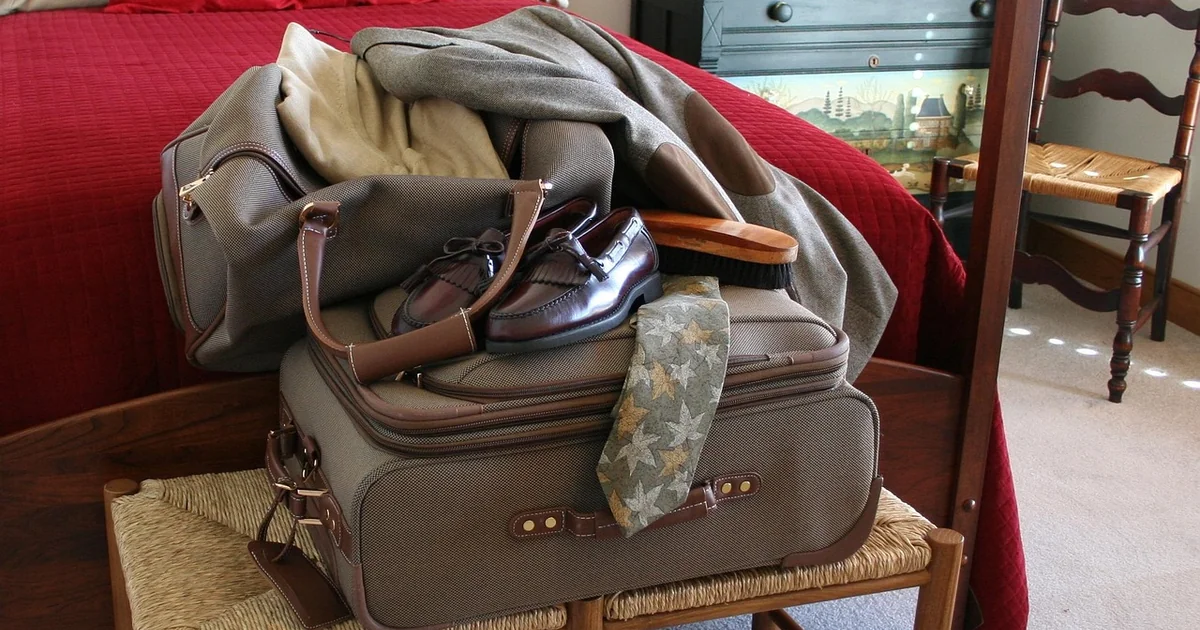
This is the most frequent error travelers make. It might seem convenient to toss your sneakers directly on top of your folded shirts, but the reality is unhygienic. Shoe soles are among the dirtiest items we carry. They collect bacteria, pollen, and traces of everything from public restroom floors to city sidewalks.
Studies on household germs have consistently found that shoe soles carry significant amounts of bacteria, including strains of E. coli. When you place these soles directly against your clothes, you risk transferring those germs to fabrics that will touch your skin. Jess Field puts it bluntly: “Think about everything you are walking on during a day. Who knows what is on the bottom of your shoes? Then you are going to have your clothes and toiletries touching them. That is just gross.”
The simple solution is to create a physical barrier. Shoes can still go in your suitcase, but they must be separated from your clothing. A dedicated bag of any kind prevents cross-contamination and keeps your suitcase interior cleaner for future trips.
Mistake 2: Using the Wrong Bag When Packing Shoes with Clothes
Not all bags provide equal protection. A thin plastic grocery bag might seem like a quick fix, but it can tear easily. If it rips, your dirty shoes will tumble directly onto your clean laundry. Similarly, using no bag at all is the worst option for hygiene.
When packing shoes with clothes, the type of bag you choose matters more than you think. Reusable cloth shoe bags are an excellent investment because they are durable and breathable. However, you do not need to buy specialty items. Field suggests saving the fabric pouches that new bed sheets often come in. These pouches are lightweight, flexible, and perfectly sized for a pair of shoes.
Another zero-cost option is to designate one of your packing cubes exclusively for footwear. Field uses a fabric laundry bag that came with her set of packing cubes. In a pinch, a sturdy plastic grocery bag works, but double-bagging is wise to prevent tears. Regardless of the material, ensure the bag closes fully to contain any dirt or odor.
Mistake 3: Packing Too Many Pairs of Shoes
Shoes are heavy and bulky. The more pairs you bring, the less room you have for other essentials. Overpacking footwear also increases the weight of your luggage, which can lead to airline fees or physical strain. Many travelers fall into the trap of packing “just in case” shoes that never leave the suitcase.
Jess Field advocates for a minimalist approach. “I am a carry-on-only person,” she explains, “so I am usually only packing one, maybe two pairs of shoes. Typically, I am not going anywhere super fancy where I need a pair of heels. That would add a complicating layer.”
Before you pack, plan your outfits carefully. Ask yourself honestly how many pairs you will actually wear. A good rule of thumb is one pair of comfortable walking shoes, one pair of sandals or dress shoes, and the pair you wear on the plane. This approach saves space and reduces the risk of cross-contamination simply by limiting the number of items you need to manage.
Mistake 4: Packing Your Heaviest Shoes in the Suitcase
This mistake wastes both space and weight allowance. Your bulkiest footwear—hiking boots, chunky sneakers, or heeled boots—takes up a significant volume inside your luggage. Placing them in your suitcase also forces you to arrange your other items around their awkward shapes.
Field always wears her heaviest shoes on the plane, regardless of how it looks. “I am going to Iceland soon,” she shares, “so I will wear my hiking boots on the plane, even though it is going to look kind of silly. I just got back from Bora Bora, and it was the opposite. I wore my sneakers on the plane and then packed a couple of pairs of sandals.”
This strategy frees up valuable real estate inside your suitcase. It also shifts weight from your luggage to your body, which can help you avoid overweight bag fees. If you are traveling with a family of four, having each person wear their bulkiest shoes on the plane can collectively save an enormous amount of suitcase space.
Mistake 5: Ignoring the Empty Space Inside Your Shoes
Every pair of shoes contains a hollow cavity that is often left completely empty. This is wasted real estate. A pair of sneakers can hold several pairs of socks, a charging cable, or even a small pouch of toiletries. Filling this space uses volume that would otherwise be occupied anyway.
You may also enjoy reading: 7 Summer Home Organization Hacks.
Field recommends stuffing your socks into your shoes before packing them. “That way they are not taking up any space that would not already be taken up,” she explains. This technique is especially useful for boots, which have a large internal volume. You can also stuff underwear, belts, or small electronics inside your shoes.
However, there are items you should avoid stuffing inside your footwear. Do not place anything damp, sharp, or breakable inside your shoes. A wet bathing suit can make the inside of your shoes moldy. A pair of sunglasses could crack under pressure. Stick to soft, dry items like socks, scarves, or lightweight t-shirts to maximize space safely.
Mistake 6: Packing Damp or Wet Shoes with Your Clothes
This is a mistake that can ruin an entire suitcase. Damp shoes from rain, sweat, or a day at the beach create a humid environment inside your luggage. This moisture can transfer to your clothes, causing them to smell musty or develop mildew stains. Leather shoes are particularly vulnerable to damage from moisture.
If your shoes are wet, never pack them immediately. Allow them to air dry as much as possible before your departure. If you are short on time, stuff them with newspaper to absorb excess moisture. Once they are mostly dry, place them in a waterproof bag such as a plastic grocery bag or a dedicated shoe bag with a waterproof lining.
For backpackers or active travelers, consider packing a few silica gel packets. Tossing one of these into your shoe bag can help absorb residual moisture and prevent odors. This small step protects your clothes and extends the life of your footwear by preventing mold growth inside the material.
Mistake 7: Ignoring Your Suitcase’s Design and Compartments
Many travelers treat their suitcase as a single large bin. They throw items in without considering the structural advantages of their luggage. This is a missed opportunity for better organization. The design of your suitcase can naturally help you separate shoes from clothes if you use it correctly.
Field swears by hard-sided luggage. “It forces me not to overpack,” she says. Hard-sided suitcases typically open flat with two equal halves. This design allows for a clear separation of items. Field puts her shoes (in their bag) along with toiletries and hair tools in one half. She places all her clothes in the other half.
“I find it easier to have all the soft stuff together on one side and then the harder things on the other,” Field explains. If you use a soft-sided suitcase, you can mimic this system by using packing cubes. Designate one cube specifically for your shoe bag and toiletries. Keep this cube separate from your clothing cubes. This systematic approach ensures that even if a bag leaks or a shoe shifts, your clothes remain untouched.
Avoiding these seven pitfalls will transform your travel experience. Your clothes will arrive cleaner, your shoes will stay in better condition, and your suitcase will be far more organized. Next time you prepare for a trip, take a few extra minutes to bag your footwear properly and choose your pairs wisely. Your future self will thank you for the extra care.