I stood in my backyard, clippers in hand, staring at my beloved dogwood. It had looked a little lopsided since last spring. My instinct told me to grab the saw and start shaping it up. Thankfully, I called a certified arborist first. What he told me changed the way I care for every tree on my property. They were about understanding the tree’s biology, its stress points, and its natural rhythm.
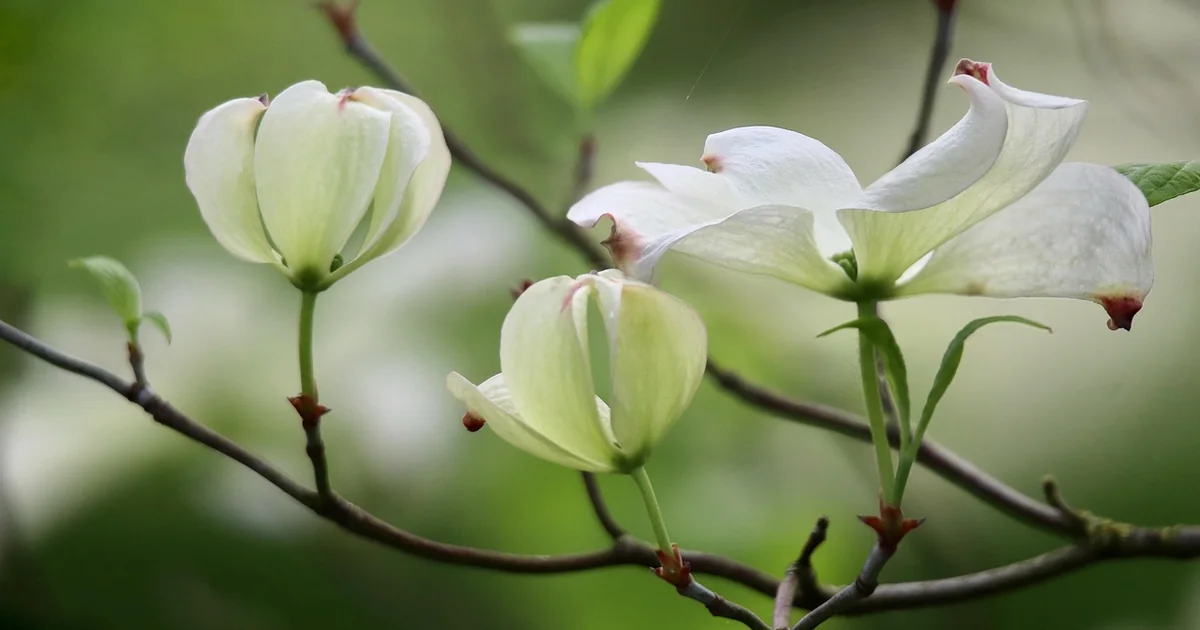
Dogwoods are generally low-maintenance trees. They do not demand constant attention. But when you do need to step in with a pruner, timing and technique matter more than you might think. The wrong cut at the wrong time can invite disease or ruin a season of blooms. The right cut, however, keeps your dogwood healthy, balanced, and beautiful for decades.
Why Spring Is the Worst Time for Pruning Dogwood Trees
Most homeowners assume spring is the ideal season for yard work. Trees are waking up. Flowers are emerging. It feels natural to tidy things up. But for dogwoods, spring is the worst possible time to prune. This was the first secret the arborist shared with me, and it completely reframed my approach.
In spring, dogwood trees are actively growing. They are pushing out leaves, developing flowers, and conducting photosynthesis at a high rate. When you make a cut during this period, the tree must divert energy away from growth and toward healing the wound. This added stress can weaken the tree, especially if it is already struggling with drought, poor soil, or pests.
Heather Zidack, a horticultural outreach educator, explains that the tree is already working hard in summer. Healing cuts during active growth increases the risk of disease. Dogwoods are particularly susceptible to fungal infections like dogwood anthracnose and powdery mildew. Open wounds during warm, wet weather become entry points for these pathogens.
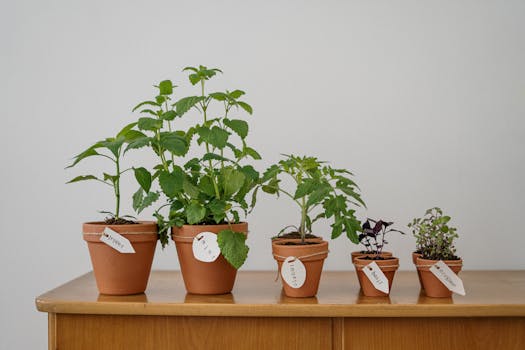
Amazon US Verified
Digital 3-in-1 Soil Moisture & pH Meter
Accurate probe to test deep root zone moisture and prevent accidental overwatering.
The simple rule is this: let spring be a season of observation, not intervention. Enjoy the blooms. Let the tree do its work. Reach for your pruners at a different time of year.
What About Summer Pruning?
Summer pruning is possible, but it comes with conditions. If your goal is to control the size of the tree, early summer — immediately after flowering — is acceptable. The tree must be in good health and receiving adequate water. A stressed dogwood pruned in summer is far more likely to develop problems. If you are unsure about your tree’s condition, wait until winter.
Winter Is the Optimal Season for Pruning Dogwood Trees
The second secret the arborist revealed was about dormancy. Dogwood trees are deciduous. They drop their leaves in fall and enter a resting state during winter. In this dormant period, the tree’s metabolic activity slows down dramatically. Pruning during dormancy causes minimal stress.

Amazon US Verified
Self-Watering Planters with Drainage Aerators
Elevated reservoir design that prevents soggy roots and ensures steady hydration.
Winter pruning also reduces disease exposure. Many fungal pathogens are less active in cold weather. Cuts made in winter have time to heal before the warm, humid conditions of spring arrive. This gives the tree a significant advantage.
There is one trade-off to consider. If you prune branches in winter that have already formed buds for the next season, you may reduce flowering. This is a small price to pay for the overall health benefits. You can minimize this by focusing on structural pruning and removing damaged or diseased wood, rather than cutting healthy flowering branches.
The ideal window for pruning dogwood trees in winter is late winter, just before the sap begins to flow. This timing allows cuts to heal quickly as the tree wakes up. In most climates, this means February or early March.
Fall Pruning: A Viable Option
Fall is also an acceptable time for routine pruning. The tree is preparing for dormancy, but it has not yet fully shut down. Light thinning and deadwood removal are safe. Avoid heavy pruning in fall, as the tree may not have enough time to seal wounds before winter frost sets in.
How to Prune Dogwood Trees: Step-by-Step Techniques
Proper technique is just as important as proper timing. The arborist showed me several methods that I now use every time I prune. These techniques apply whether you are working on a young sapling or a mature tree.
Remove the Three Ds First
Start by identifying any dying, damaged, or diseased branches. These are easy to spot. Dying branches have few leaves or no leaves at all. Damaged branches may have cracks, splits, or broken tips. Diseased branches often show discoloration, cankers, or fungal growth. Cut these branches back to a healthy lateral branch or all the way to the trunk.
Eliminate Crossing and Rubbing Branches
Look for branches that cross each other or grow toward the center of the tree. Choose the weaker or less desirable branch and remove it. This opens up the canopy and prevents future wounds. Make clean cuts just above the branch collar — the swollen area where the branch meets the trunk. Do not make flush cuts, as these damage the tree’s natural healing system.
Thin Dense Growth From the Inside Out
Dogwoods can develop dense interiors, especially if they have not been pruned in several years. Thinning involves removing small branchlets from the bottom up and from the inside out. This improves air circulation and light penetration. Better airflow reduces the risk of fungal diseases. More light reaching the interior encourages healthy growth.
Work slowly. Step back frequently to assess your progress. It is easy to get carried away and remove too much. The arborist emphasized that thinning should be subtle, not drastic.
Control Size by Removing Oldest Branches
If your dogwood has grown larger than you expected, do not reach for the top of the tree. Topping — cutting off the upper portion of the main trunk — is one of the worst things you can do. It triggers the growth of watersprouts, which are weak, upright shoots that ruin the tree’s shape and are prone to breaking.
Instead, control size by removing the oldest and tallest branches at the soil line. This technique, sometimes called renewal pruning, encourages new growth from the base. The tree stays smaller and develops a healthier structure. Remove no more than one or two of the largest branches per year.
Amazon US Verified
Organic Perlite Horticultural Soil Conditioner
Lightweight volcanic mineral that improves root aeration and prevents compaction.
Rejuvenation Pruning for Struggling Trees
For a dogwood that is severely declining, overgrown, or damaged, rejuvenation pruning is an option. This involves cutting the entire tree down to the ground. New shoots will emerge from the root system. This is a drastic measure and should only be attempted if the tree is in poor health and you are willing to lose it. Not all dogwoods survive this treatment. Consult a local arborist before attempting rejuvenation pruning.
Avoid Vigorous Pruning: The 15-20 Percent Rule
The most important secret the arborist shared was about restraint. Many gardeners believe that if a little pruning is good, more pruning is better. This is dangerously wrong for dogwoods.
Never remove more than 15 to 20 percent of a dogwood tree’s canopy in a single year. This is a stricter limit than the general rule for most trees, which is 30 percent. Dogwoods are sensitive to heavy pruning. Removing too much foliage starves the tree of energy. It also exposes the bark to direct sunlight, which can cause sunscald — a condition where the bark cracks and peels.
If your dogwood needs significant work, spread the pruning over several years. Remove a few branches each winter. The tree will respond better, and you will avoid the shock of a major cutback.
This principle applies to thinning cuts as well. Do not strip the interior of all small branches. Leave enough foliage to sustain the tree’s energy needs. A healthy dogwood has a full, layered canopy, not a skeleton of bare branches.
You may also enjoy reading: 7 Simple Steps to Plant & Grow Lima Beans.
5 More Pruning Tips Arborists Want You to Know
Beyond the basics, the arborist shared five additional tips that have saved me from making costly mistakes. These are the details that separate a professional pruning job from a homeowner’s hack job.
1. Identify Your Dogwood Species First
Not all dogwoods are the same. The common flowering dogwood (Cornus florida) has different needs than the Kousa dogwood (Cornus kousa) or the Pacific dogwood (Cornus nuttallii). Some species bloom on old wood, meaning flowers form on branches that grew the previous year. Others bloom on new wood. Pruning at the wrong time for your species can eliminate an entire season of flowers.
If you are unsure what species you have, take a photo to your local cooperative extension office. They can help you identify it and provide specific pruning recommendations.
2. Always Cut Above the Branch Collar
The branch collar is the raised ring of tissue where a branch attaches to the trunk or a larger branch. This tissue contains specialized cells that help the tree seal the wound. Cutting flush with the trunk removes this protective collar and delays healing. Cutting too far from the collar leaves a stub that can rot. Aim for a clean cut just outside the collar, angled slightly away from the trunk.
3. Sterilize Your Tools Between Cuts
Diseases can spread from one branch to another on your pruning tools. If you cut a diseased branch, the pathogen can contaminate your blades. Wipe your pruners or saw with rubbing alcohol or a 10 percent bleach solution between cuts. This is especially important when removing diseased wood. It takes only a few seconds and can save your entire tree.
4. Do Not Use Wound Dressing or Paint
Many older gardening guides recommend painting pruning cuts with tar or wound dressing. Modern arboriculture has proven that this practice is harmful. Sealing a cut traps moisture and creates an ideal environment for decay. The tree’s natural healing system works best when the wound is left open to dry. Skip the paint. Let the tree take care of itself.
5. Prune Young Trees for Structure
The best time to shape a dogwood is when it is young. A sapling can be trained to develop a strong central leader and well-spaced lateral branches. Remove competing leaders early. Eliminate branches with narrow crotch angles, as these are prone to splitting under heavy snow or wind. Investing a few minutes of pruning in the first three years will save you decades of corrective work later.
Common Mistakes People Make When Pruning Dogwood Trees
Even with good intentions, gardeners often make errors that harm their dogwoods. Recognizing these mistakes can help you avoid them.
Pruning at the Wrong Time of Year
This is the most frequent error. Pruning in spring or midsummer stresses the tree and invites disease. Stick to late winter for most pruning. If you must prune in summer, do it immediately after flowering and only if the tree is healthy and well-watered.
Removing Too Much at Once
Exceeding the 15-20 percent limit shocks the tree. It may respond by producing a flush of weak, upright growth. This growth is unattractive and structurally unsound. Spread major pruning over multiple years.
Topping the Tree
Cutting off the top of a dogwood destroys its natural shape and triggers watersprouts. These sprouts grow rapidly, but they are weakly attached and prone to breaking. Once a tree has been topped, it is difficult to restore its original form. Never top a dogwood.
Ignoring the Branch Collar
Flush cuts and stub cuts both cause problems. The branch collar is the tree’s built-in healing mechanism. Respect it. Cut just outside the collar, and let the tree do the rest.
When to Call a Professional Arborist
Many pruning tasks are safe for homeowners to handle. If you are removing small branches that you can reach from the ground, you can do the work yourself. But some situations call for expert help.
Call a certified arborist if your dogwood has large dead branches high in the canopy. Climbing a ladder with a chainsaw is dangerous. Arborists have the training and equipment to work safely at height.
Also call a professional if your tree shows signs of serious disease, such as widespread dieback, cankers on the trunk, or leaf spots that cover most of the foliage. A professional can diagnose the problem and recommend a treatment plan that may include pruning, but also other interventions.
If you are considering rejuvenation pruning, consult an arborist first. This technique is not always successful. An expert can assess whether your tree is a good candidate or whether removal and replacement is a better option.
As an Amazon Associate, azuloz.com earns from qualifying purchases.