You hosted a holiday dinner, and the prime rib was the star of the show. Now, days later, a generous slab of leftover roast sits in your refrigerator. The dream of a second perfect meal clashes with memories of dry, chewy reheated meat that barely resembles the original. It does not have to be that way. The secret lies in storing the roast correctly before you even think about reheating, then applying gentle heat with enough moisture to protect those delicate proteins. Below are seven actionable tips that will help you rescue your leftovers and enjoy every last bite.
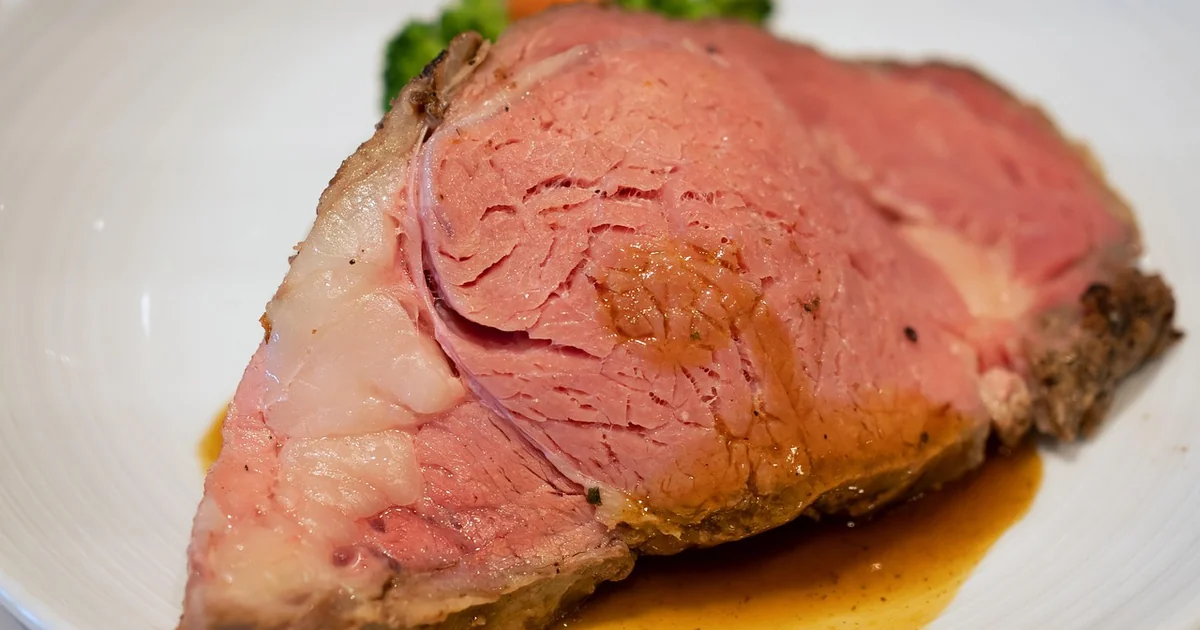
Why Leftover Prime Rib Deserves Special Care
Prime rib, also known as beef rib roast, is a tender cut prized for its rich marbling and buttery texture. That luxurious mouthfeel comes from intramuscular fat that melts during the initial roast. Once the meat cools and sits in the fridge, that fat solidifies, and the proteins begin to tighten. If you blast the leftovers with high heat, you force moisture out and turn the fat greasy. A careful, low-temperature approach lets you reheat prime rib without undoing the chef’s original work. Understanding this basic food science sets the stage for every tip that follows.
Tip 1: Store the Roast Whole and Tightly Wrapped
Your reheating success begins the moment you clear the dinner plates. Never slice the entire leftover roast before storing. A whole roast retains far more moisture because fewer surfaces are exposed to air. Wrap the unsliced prime rib tightly in plastic wrap, pressing out as much air as possible. Then place it in an airtight container or a heavy-duty zip-top bag. This double layer prevents the meat from absorbing fridge odors and stops moisture from escaping. Refrigerate the wrapped roast for three to five days. For longer storage, freeze it immediately, and it will stay good for three to six months. When you keep the roast intact, every later reheat prime rib session starts with a moister base.
Tip 2: Use a Low Oven Temperature With Added Moisture
The oven is your best friend for reviving large portions of prime rib. Preheat it to 300°F — not 350°F or 400°F. High heat will squeeze juices out of the meat and leave it tough. Place the unwrapped roast on a rimmed baking sheet or in a shallow baking dish. Pour about a quarter to half a cup of beef broth, stock, or au jus over the meat. This added liquid creates steam inside the pan, which gently infuses moisture back into the fibers. Cover the dish tightly with foil or a lid, then bake for 15 to 30 minutes. Thicker roasts need closer to 30 minutes; single ribs may be ready in 15. Check the internal temperature with an instant-read thermometer. The USDA recommends reheating leftovers to at least 165°F for safety, though many home cooks prefer 140°F to maintain a medium-rare pink center. This low-and-slow approach allows the proteins to relax gradually rather than seize up.
What If You Do Not Have Beef Broth on Hand?
You can substitute water, but the flavor will be milder. A better alternative is to use leftover pan drippings you saved from the original roast. Simply skim off the fat and dilute the drippings with a splash of water. You can also use a mixture of melted butter and water, or even a small amount of red wine diluted with water. The key is providing that humid environment inside the covered pan.
Tip 3: Sear the Surface After Oven Reheating for a Crust
The oven method keeps the interior juicy, but it can leave the exterior soft. If you miss the crusty, browned edge of freshly roasted prime rib, a quick sear solves the problem. After the roast comes out of the oven, pat the surface dry with paper towels. Heat a heavy skillet over medium heat and add a tablespoon of oil with a high smoke point, such as avocado or canola. Sear the meat for one to two minutes per side, using tongs to turn it carefully. This step restores the savory Maillard reaction crust without cooking the interior further. It works especially well for individual slices if you are only reheating a few servings.
Tip 4: Use the Sous Vide Method for Precise Control
Sous vide is not just for cooking raw meat; it excels at reheating cooked roasts without any risk of overcooking. Seal your leftover prime rib slices or small roast in a vacuum bag or a sturdy zip-top bag using the water displacement method. Set your sous vide circulator to 130°F for medium-rare, or 140°F if you prefer medium. Submerge the bag and let it warm for about 45 minutes to an hour, depending on thickness. The gentle water bath brings the meat back to serving temperature while preserving every drop of juice. You can finish the surface with a hot skillet sear just before serving. This method is ideal when you want to reheat prime rib for a small group and have a little extra time.
Tip 5: Avoid the Microwave, Air Fryer, and Deep Fryer
These three appliances are the fastest route to a disappointing plate of leftover prime rib. The microwave excites water molecules unevenly, causing hot spots that dry out the meat and leave some sections cold. The edges often turn rubbery while the center remains nearly raw. If you absolutely must use a microwave, slice the roast into individual pieces and reheat one slice at a time on a low power setting, covering it with a damp paper towel. Even then, the texture will be inferior. Air fryers and deep fryers are even worse: they blast the meat with hot, dry air or oil, which strips away moisture and makes the fat rubbery. The result is a tough, flavorless piece of beef that no amount of sauce can save. Stick to the oven, sous vide, or stovetop pan reheating with moisture.
Tip 6: Reheat Individual Slices in a Covered Skillet
For a quick weeknight dinner when you only need one or two servings, a covered skillet works beautifully. Place a nonstick or stainless steel skillet over medium-low heat. Add a splash of beef broth or a pat of butter. Lay the prime rib slices in the pan, then cover it with a lid. Let the meat warm for about three to five minutes, flipping once. The trapped steam rehydrates the slices, and the gentle heat prevents toughening. This method takes about the same time as microwaving but delivers far superior results. You can also add sliced onions or mushrooms to the pan for an instant side dish.
Tip 7: Reheat Prime Rib From Frozen Without Thawing First
If you froze the roast whole, you can reheat it directly from the freezer. This technique requires a bit more time but avoids the quality loss that sometimes happens during thawing. Preheat the oven to 300°F. Remove the plastic wrap from the frozen roast and place it in a baking dish. Add half a cup of broth or water, cover tightly with foil, and bake for 45 to 60 minutes. Check the internal temperature — it needs to reach at least 165°F in the center. Once heated, you can sear the outside in a hot skillet to revive the crust. Reheating from frozen works especially well for smaller roasts of two to three pounds. For larger cuts, thawing in the refrigerator overnight before using the standard oven method is more reliable to ensure even heating.
You may also enjoy reading: 9 Pet Care Package Ideas for Dogs & Cats.
What to Do With Leftover Prime Rib Beyond Reheating
Sometimes you want a complete change of pace. Leftover prime rib shines in many dishes where its rich flavor elevates the recipe. Slice it thin for a classic Philly cheesesteak, an Italian beef sandwich, or a French dip with au jus. Chop it into cubes and add it to a beef Bourguignon or a hearty stew. Use strips in a creamy beef stroganoff served over egg noodles. For a quick lunch, fold diced prime rib into a quesadilla with melted cheese and peppers. You can also build meal prep bowls with roasted vegetables and grains, topped with warm slices. Even a miniature beef Wellington — wrapping leftover prime rib in puff pastry with mushroom duxelles and baking until golden — becomes an impressive second-night dinner. Each of these ideas gives your leftover roast a new identity while respecting its original tenderness.
Frequently Asked Questions About Reheating Prime Rib
Can you reheat prime rib more than once?
Food safety experts recommend reheating leftovers only one time. Each reheating cycle increases the risk of bacterial growth and degrades texture further. If you have a large roast, slice off only what you plan to eat and reheat that portion. Keep the remainder stored whole in the fridge.
How do you tell when leftover prime rib is fully reheated?
Use an instant-read thermometer inserted into the thickest part of the meat (avoiding bone if present). For safety, the USDA says 165°F. For a medium-rare pink center, aim for 140°F to 145°F. The meat should feel hot to the touch on the surface, and the juices should run clear.
Why does storing prime rib unsliced help keep it moist?
Every cut surface exposes more protein and fat to air, which promotes moisture evaporation and oxidation. An intact roast has far less surface area relative to its volume. The solid muscle acts as a barrier, trapping juices inside the fibers.
What if I have dietary sodium restrictions and cannot use broth?
Use unsalted stock or make your own low-sodium broth from leftover bones and vegetables. You can also use plain water with a drizzle of olive oil and a pinch of herbs. The goal is moisture, not necessarily sodium.
How do I reheat prime rib for a crowd without overcooking?
This is where the oven method truly shines. Keep the roast whole, add adequate broth, cover tightly, and use a low oven temperature. Check the internal temperature after 20 minutes and continue in five-minute increments. For a dozen servings, slice the roast after reheating and arrange slices on a platter with a little hot au jus to keep them warm.