Why Your Lawn Deserves a Proper Sprinkler
I used to believe a garden hose could handle everything. My flower beds looked great, and I assumed grass would cooperate the same way. Then I left town for a week. My husband watered, but the lawn came back patchy and stressed. That trip taught me a hard lesson: covering every square foot of turf with a hose is nearly impossible, and you waste gallons of water doing it. At a dinner party soon after, I mentioned needing to leave early to water the grass. The awkward silence and sideways glances told me I needed a real solution.
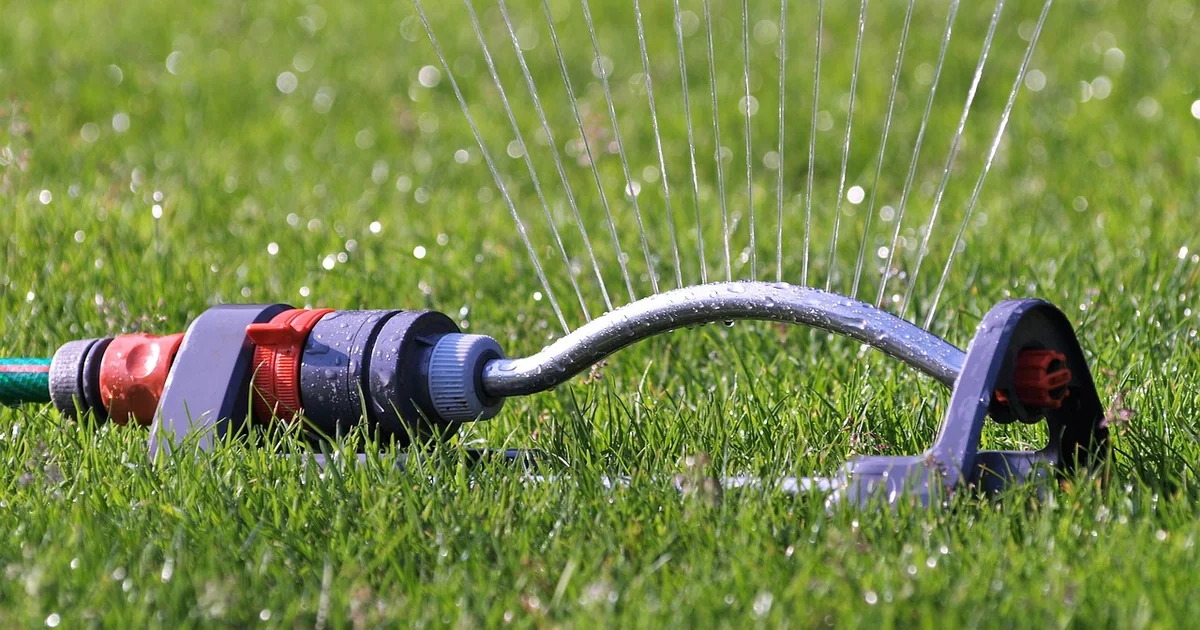
The next morning I began researching the best lawn sprinklers on the market. I spent six months testing 12 different models in my own yard. This article shares the seven that stood out, based on setup ease, coverage, durability, and value. No editorial team or magazine tested these — just me, a hose, and a thirsty lawn.
How I Tested Each Sprinkler
I evaluated every model over a full growing season. I connected each sprinkler to a standard garden hose, timed the setup, and checked for leaks or clogs. I measured coverage area with a tape measure and noted how evenly water fell across the grass. For traveling models, I watched for snags on uneven ground. I also tested features like adjustable spray patterns, pressure regulators, and tripod stability. After six months and dozens of watering cycles, I ranked them by performance and practicality.
The 7 Best Lawn Sprinklers I Found
1. Melnor Deluxe Metal Pulsating Sprinkler with Tripod – Best Overall
This sprinkler earned the top spot for its adjustable tripod legs and all-metal build. The pulsating head shoots water in a circular pattern up to 5,600 square feet, and the tripod lets you raise the sprinkler above tall grass for even coverage. I found the height adjustment simple, and moving it around the yard took seconds. The metal construction feels solid; after months of use, no rust or cracks appeared. It handles up to 120 PSI and connects to a standard ⅝-inch hose. For most homeowners, this model makes lawn care straightforward and effective.
2. Aiper IrriSense 2 – Best Smart Sprinkler
If you want to automate watering, the Aiper IrriSense 2 is a smart oscillating system that connects to your Wi-Fi. It covers up to 4,800 square feet with customizable circular patterns. I appreciated the app controls — you can set schedules, adjust flow, and monitor usage from your phone. The build combines metal and plastic, and it works with hoses from ⅝ to ¾ inch. The 45 PSI rating means it works best with moderate water pressure. During testing, it never clogged, and the smart features saved me from manual adjustments. At $500 (often on sale for $430), it’s an investment, but the convenience is real.
3. Orbit Impact Sprinkler with Tripod – Best for Large Yards
For big lawns, this rotating impact sprinkler delivers. It covers up to 5,670 square feet with a circular spray. The zinc head and metal tripod feel heavy-duty, and it handles 80 PSI. I set it up in under five minutes. The tripod legs adjust to different heights, which helped me clear tall grass and uneven terrain. The impact mechanism makes a rhythmic clicking sound as it rotates — not silent, but satisfying. It never got stuck during my tests, and the coverage was uniform even at the edges. At about $40, it’s a strong value for large properties.
4. Dramm ColorStorm 9-Pattern Turret Sprinkler – Best for Small Yards
Small spaces need a precise tool, and this turret sprinkler delivers nine different spray patterns. It covers up to 1,200 square feet, making it ideal for compact lawns or narrow strips. The body is a mix of plastic and metal, and it connects to a ⅝-inch hose at up to 90 PSI. I liked twisting the turret to switch between patterns — from a gentle mist for delicate areas to a strong jet for dry patches. It didn’t leak, and the base stayed stable on level ground. At around $26, it’s an affordable pick for smaller yards.
5. Aqua Joe Oscillating Sprinkler – Best for Flower Beds
Oscillating sprinklers send water back and forth in a rectangular pattern, which suits flower beds and garden borders. The Aqua Joe covers 4,400 square feet and has an inline fan that distributes water evenly. It handles up to 150 PSI, so it works with high-pressure systems. I used it near my perennials, and the gentle fan pattern avoided soil erosion. The metal and plastic construction held up well, and the base has rubber feet to prevent sliding. It’s a solid choice for targeted watering without soaking the entire lawn.
6. Orbit Traveling Sprinkler – Best for Large, Open Lawns
This self-propelled model follows a hose path across your yard, covering up to 13,500 square feet. It uses a rotating circular spray and runs on water pressure — no batteries needed. The cast-iron body is heavy but durable. I let it run along a straight hose line, and it moved steadily, only getting stuck once on a steep slope. The coverage was thorough, and it saved me from dragging a hose around. At about $73 on sale, it’s a time-saver for big, flat lawns.
7. Flantor Drip Irrigation Kit – Best for Targeted Watering
Drip irrigation isn’t a traditional sprinkler, but for flower beds, vegetable gardens, or shrub borders, it’s the most efficient option. This kit covers 110 square feet with adjustable drippers. It connects to a ⅝-inch hose fitting and works at up to 60 PSI. I installed it along a row of tomatoes, and the slow, direct watering reduced evaporation and kept leaves dry. The plastic and rubber components felt basic but functional. For precise, water-wise irrigation, this kit is a fantastic complement to a lawn sprinkler.
You may also enjoy reading: These 5 Plants Professional Gardeners Won’t Buy.
What to Know Before Buying a Lawn Sprinkler
Before you choose a model, consider your yard’s shape, size, and water pressure. Rectangular lawns benefit from oscillating sprinklers, while circular patterns work best for square or irregular lots. Traveling sprinklers need flat terrain to move freely. Also check your PSI — most sprinklers operate best between 40 and 120 PSI. If your pressure is low, look for models with lower minimum requirements. Finally, think about material: metal heads last longer than plastic, but plastic is lighter and cheaper.
Frequently Asked Questions
How do I know which sprinkler pattern suits my lawn?
Measure your lawn’s length and width. For long, narrow spaces, an oscillating or turret sprinkler with adjustable patterns works well. For square or round areas, a rotating or pulsating sprinkler offers even circular coverage.
Can I use a sprinkler with low water pressure?
Yes, but choose a model rated for lower PSI, like the Aiper IrriSense 2 (45 PSI) or the Flantor drip kit (60 PSI). Avoid high-PSI models if your pressure is below 40 PSI.
How often should I water my lawn with a sprinkler?
Most lawns need about 1 to 1.5 inches of water per week, including rainfall. Water deeply twice a week rather than shallow daily watering to encourage deep root growth.
What’s the best material for a lawn sprinkler?
Metal (zinc, brass, or cast iron) lasts longer and resists cracking, but it’s heavier and more expensive. Plastic is lightweight and affordable but may crack in freezing temperatures. For durability, metal is preferable.
Do traveling sprinklers work on slopes?
They can struggle on steep inclines. Flat or gently sloping yards are ideal. If your lawn has hills, a stationary or oscillating sprinkler is more reliable.
After six months of watering, I can say that investing in the right sprinkler changed my lawn’s health — and saved me from awkward dinner party moments. The Melnor Deluxe Metal Pulsating Sprinkler with Tripod remains my top recommendation for most households, but each of these seven models earned its place through real-world testing. Choose based on your yard’s size, shape, and your watering habits, and you’ll keep your grass green without the guesswork.