A lawn mower is an indispensable tool for any homeowner striving for a lush, green yard. Yet, many overlook a crucial aspect of lawn care: the sharpness of their mower blades. While it might seem like a minor detail, dull blades can significantly diminish the health and appearance of your lawn. Instead of cleanly slicing through grass, worn blades tear it, leaving behind frayed edges that are more susceptible to disease and browning. In severe cases, excessively dull blades can even rip out patches of grass, creating an unsightly and uneven lawn. This guide explores the telltale signs that indicate it’s time to sharpen lawn mower blades, along with insights into the factors that influence their wear and tear.
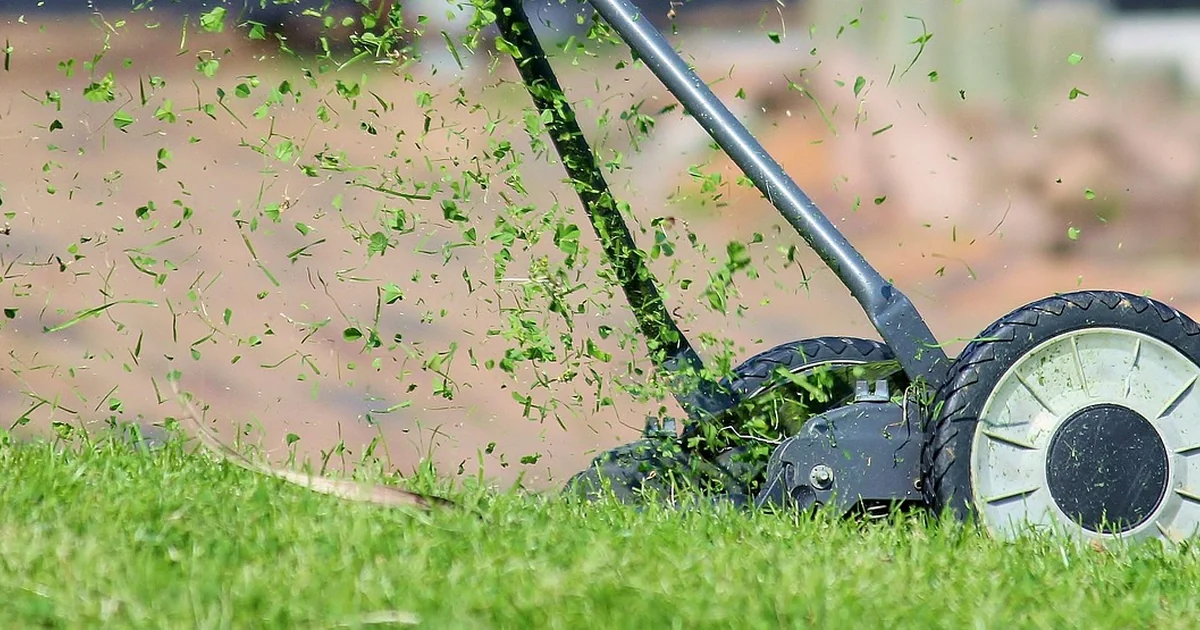
How Often to Sharpen Lawn Mower Blades
Establishing a consistent maintenance routine for your lawn mower is key to its longevity and performance. Generally, the blades on a lawn mower should be sharpened approximately every 20 to 25 hours of use. Consider this: if you typically spend about an hour mowing your lawn, then after approximately 20 to 25 mowing sessions, it’s a good idea to sharpen lawn mower blades. However, if you don’t meticulously track your mowing time, a minimum of once per mowing season is advisable. For truly optimal lawn health, many experts recommend sharpening your lawn mower blades two to three times throughout the mowing season. This proactive approach ensures the blades maintain their sharpness, enabling them to cut the grass cleanly rather than tear or shred it.
Furthermore, sharp mower blades reduce strain on the engine. When blades slice cleanly, they encounter minimal resistance. This translates to less effort required from you to push the mower and can even contribute to the mower’s overall efficiency. Conversely, dull blades force the engine to work harder, potentially leading to increased fuel consumption and reduced performance.
Factors That Impact Sharpening Frequency
Determining the precise frequency for sharpening your lawn mower blades isn’t a one-size-fits-all approach. Several factors can influence how quickly the blades become dull, necessitating more frequent sharpening. Understanding these factors will help you tailor your maintenance schedule for the best results.
Mowing Frequency
The number of times you mow your lawn directly impacts blade wear. The more frequently you mow, the faster the blades will lose their edge. For lawns that require weekly mowing, you’ll likely need to sharpen lawn mower blades more often than those mowed bi-weekly. Consistent mowing creates more opportunities for the blades to come into contact with the ground and debris, accelerating the dulling process.
Hard Objects and Obstacles
Navigating your lawn isn’t always smooth sailing. Running over unexpected obstacles can significantly impact blade sharpness. Rocks, tree stumps, garden edging stones, and even tree roots can inflict damage, quickly dulling the blades. It’s wise to be mindful of your surroundings while mowing and to avoid these hazards whenever possible. If you do encounter such an object, inspect your mower blades immediately after use for any signs of damage or dulling. These impacts can chip or bend the blades, rendering them less effective.
Regular Cleaning
Maintaining clean mower blades is another crucial aspect of their longevity. Over time, grass clippings, dirt, and other debris can accumulate on the underside of the blades. This buildup can impede their rotation and prevent them from cutting cleanly. The debris acts as a barrier, increasing friction and accelerating wear. Regular cleaning removes this buildup, allowing the blades to rotate freely and maintain their sharpness for a longer period. A quick rinse under a hose after each mowing session can make a noticeable difference.
Cutting Height
The height at which you set your mower deck also influences blade stress. Operating your mower at an excessively low cutting height can put undue stress on the blades. This is because the blades are more likely to come into contact with dirt clumps, bumps in the yard, or low-lying obstacles. This constant contact can prematurely dull the blades, requiring more frequent sharpening. Setting the cutting height appropriately for your grass type and desired lawn appearance can alleviate this stress and extend blade life.
Grass Type
Different types of grass have varying levels of toughness. Some grasses, like Bermuda or Zoysia, are naturally coarser and require more frequent mowing to maintain a healthy appearance. These tougher grasses place greater demands on the mower blades, leading to faster dulling. Conversely, softer grasses like Fescue may not require as frequent sharpening. Understanding your grass type and its maintenance needs will help you adjust your sharpening schedule accordingly.
10 Signs Your Lawn Mower Blades Need Sharpening
While a regular sharpening schedule is beneficial, it’s also important to be aware of the signs that indicate your blades have become dull and require immediate attention. Here are 10 telltale indicators:
1. Torn or Ragged Grass
This is often the most obvious sign. When blades are dull, they don’t slice through the grass cleanly. Instead, they tear or shred the grass blades, resulting in a ragged, uneven appearance. This torn grass is a clear indication that your sharpen lawn mower blades are overdue.
2. Uneven Cut
Dull blades often produce an uneven cut, leaving some areas of the lawn longer than others. This can create a patchy and unsightly look. The inconsistent cutting is a direct result of the blades’ inability to make a clean, uniform cut.
3. Grass Clippings Appear Brown
Freshly cut grass clippings should be green and vibrant. When blades are dull, they crush the grass instead of cutting it, causing the clippings to turn brown or yellow. This discoloration is a strong indicator of blade dullness.
4. Mower Struggles to Cut
You might notice your mower working harder than usual, especially when encountering thicker patches of grass. A dull blade requires more effort to cut, leading to slower mowing speeds and increased engine strain.
5. Visible Damage to Blades
Inspect your blades for nicks, chips, or bends. These physical damages often accompany dullness and significantly impair the blade’s cutting ability. Visible damage is a clear sign that sharpening is necessary.
You may also enjoy reading: Surprising Secrets to Grow Plump, Pungent Chives Every Time.
6. Grass Lifts Instead of Being Cut
When blades are sharp, they glide through the grass. Dull blades, however, tend to lift the grass blades before cutting them. This lifting action is another sign of a worn blade.
7. Increased Grass Disease
Torn grass is more vulnerable to diseases. The frayed edges create entry points for pathogens, increasing the risk of fungal infections and other lawn ailments. Maintaining sharp blades helps keep your lawn healthy and disease-free.
8. Blade Vibrations
Excessive blade vibrations can indicate that the blades are dull or unbalanced. Dull blades can cause the mower to vibrate more than usual, which can be uncomfortable and potentially damage the mower.
9. Difficulty Starting the Mower
In some cases, extremely dull blades can make it difficult to start the mower. The increased resistance can strain the engine, making it harder to turn over.
10. You Haven’t Sharpened in a Long Time
If you haven’t sharpened your sharpen lawn mower blades in the recommended timeframe (20-25 hours of use or 2-3 times per season), it’s a good preventative measure to do so before any of the other signs become apparent.
Sharpening Your Lawn Mower Blades: A Step-by-Step Guide
Sharpening your lawn mower blades is a straightforward process that can be done at home with the right tools. Here’s a basic guide:
- Safety First: Always disconnect the spark plug to prevent accidental starting.
- Remove the Blades: Consult your mower’s manual for instructions on safely removing the blades.
- Clean the Blades: Use a wire brush to remove any accumulated grass clippings and debris.
- Sharpen the Blades: You can use a file, a bench grinder, or a specialized blade sharpener. Hold the blade at the correct angle (usually around 30 degrees) and file along the cutting edge.
- Balance the Blades: After sharpening, it’s important to balance the blades. Use a blade balancing tool to identify any uneven weight distribution and file down the heavier side until the blade is balanced.
- Reinstall the Blades: Carefully reinstall the blades, ensuring they are securely fastened.
Alternatively, many local hardware stores and lawn care centers offer blade sharpening services. This can be a convenient option if you’re not comfortable sharpening the blades yourself.
Regularly inspecting and maintaining your lawn mower blades is a small investment that yields significant returns in terms of lawn health and mower performance. By paying attention to the signs of dullness and following a consistent sharpening schedule, you can ensure your lawn stays lush and green all season long.