Picture this: you have spent the weekend trimming edges, watering the new sod, and dreaming of a perfect green carpet. Then you spot it — a dandelion rosette, a patch of clover, or the telltale spiky leaves of a thistle. Lawn weeds are like uninvited guests who refuse to leave. They compete for water, nutrients, and sunlight. If you ignore them, they multiply quickly. The good news is that effective lawn weed removal does not require a chemistry degree or a landscaping crew. With the right approach, you can reclaim your yard.
Amazon US Verified
Digital 3-in-1 Soil Moisture & pH Meter
Accurate probe to test deep root zone moisture and prevent accidental overwatering.
Why a Weed-Free Lawn Matters More Than Looks
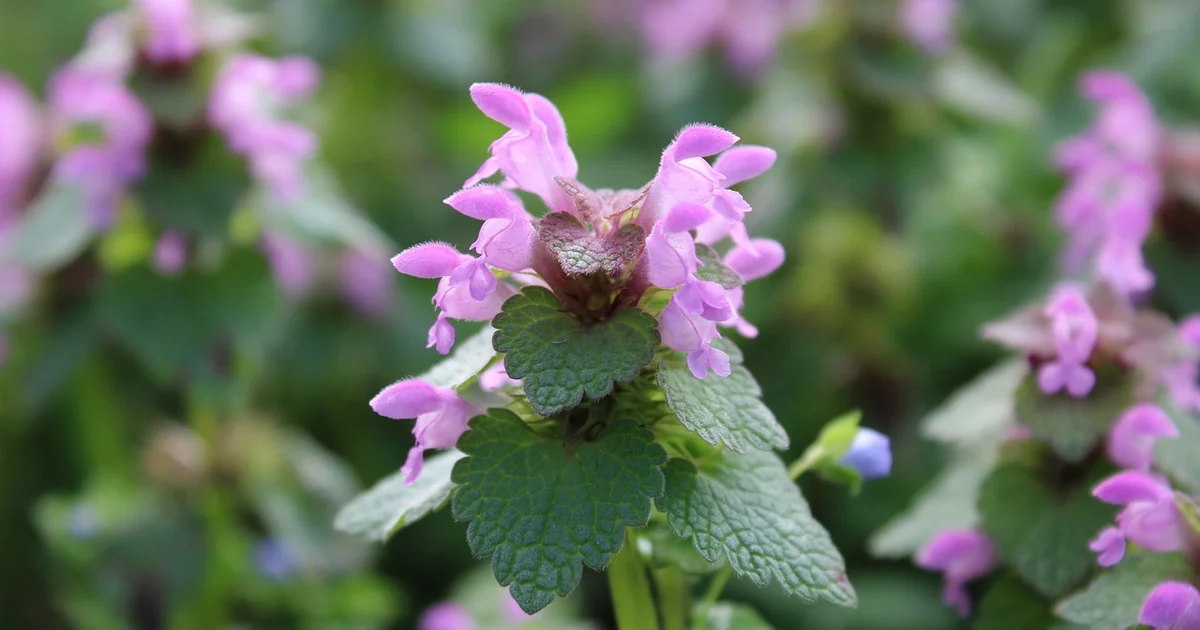
Weeds do more than spoil the view. They steal resources from your grass. A single broadleaf weed can produce thousands of seeds. Those seeds spread through wind, birds, or your own shoes. Over time, weeds can choke out desirable grass species. They also create uneven surfaces that make mowing difficult. Beyond aesthetics, a healthy lawn helps filter rainwater, cool the air, and provide a safe play area for kids and pets. Lawn weed removal is about preserving that ecosystem.
Many homeowners make the mistake of grabbing the first spray they see. That can backfire. Some chemicals kill everything green, including your grass. Others work only on certain weeds at certain times. Understanding the methods below will save you time, money, and frustration.
Method 1: Hand-Pulling for Precision Control
Hand-pulling is the oldest trick in the book. It works best when the soil is moist. After a rain or a thorough watering, the ground softens. You can grasp the weed near the base and pull gently but firmly. The goal is to remove the entire root system.
Amazon US Verified
Organic Perlite Horticultural Soil Conditioner
Lightweight volcanic mineral that improves root aeration and prevents compaction.
This method shines for annual weeds like chickweed or crabgrass. Their roots are shallow. Perennial weeds like dandelions have long taproots. Yanking the leaves alone leaves the root behind. The weed will regrow within days. For those, you need to dig deeper.
Hand-pulling is labor-intensive. It is not practical for a large, heavily infested lawn. But for isolated weeds or small patches, it is the safest method. No chemicals touch your grass or the environment. It is also free.
How to Make Hand-Pulling Easier
Water the area the night before. Use a narrow trowel or a weeding knife to loosen the soil around the root. Grasp the weed low and pull straight up. If the root breaks, you may need to dig again. Dispose of the weeds in a bag or bucket. Do not leave them on the lawn; seeds can still mature and drop.
Method 2: Digging With Specialized Tools
For deep-rooted weeds like dandelions, plantains, or thistles, a shovel is too blunt. It removes too much soil and damages grass. A better choice is a dandelion puller or a weeding fork. These tools have long, thin prongs that slide alongside the taproot. You push them into the soil, lever the root loose, and lift it out whole.
A dandelion puller often has a V-shaped notch at the tip. You place the notch over the weed’s crown, step on the footrest, and the tool extracts the root with minimal soil disturbance. The hole left behind is small. Grass can fill it in quickly.
This method is precise and effective. It takes practice to get the angle right. Once you learn the technique, you can remove dozens of weeds in minutes. It is especially useful in flower beds or along edges where spraying is risky.
When Digging Beats Spraying
If you have a few scattered perennial weeds, digging is faster than mixing and applying herbicide. There is no waiting period. No drift onto nearby plants. No worries about pets or children stepping on wet chemicals. It is a clean, satisfying solution.
Method 3: Boiling Water as a Natural Spot Treatment
Boiling water is a surprisingly effective non-selective herbicide. It works by scalding the plant tissues. The heat causes the cell walls to rupture. The weed wilts and dies within hours. This method is 100% natural. It leaves no chemical residue.

Amazon US Verified
Self-Watering Planters with Drainage Aerators
Elevated reservoir design that prevents soggy roots and ensures steady hydration.
However, boiling water kills everything it touches. Grass included. So you must use it carefully. Pour it only on the weed itself. A kettle with a long spout gives you control. Aim for the center of the weed. Avoid splashing surrounding grass.
Boiling water works best on young, tender weeds. Tough perennial weeds with deep roots may survive. The heat does not penetrate deep enough to kill the entire root system. For those, you may need to repeat the treatment several times over a week.
This method is ideal for cracks in patios, driveways, or walkways. It is also safe for vegetable gardens where you avoid chemicals. Just be careful with the hot water around your own feet and pets.
Limitations of Boiling Water
It is not practical for large lawns. You would need to boil many kettles of water. The process is slow. Also, boiling water can kill beneficial soil organisms near the surface. Use it sparingly and only where needed.
Method 4: Vinegar — A Household Acid With Punch
Household vinegar contains about 5% acetic acid. That is enough to kill some young weeds on a sunny day. The acid burns the leaves. The weed dehydrates and dies. For tougher weeds, you need horticultural vinegar, which has 20% or higher acetic acid. That strength is much more effective but also more hazardous. Wear gloves and eye protection when using it.
Like boiling water, vinegar is non-selective. It damages grass just as much as weeds. Apply it with a spray bottle on a calm day. Direct the spray to the weed’s foliage. Avoid drift onto desirable plants. The best time to apply is midday, when the sun is strong. The heat accelerates the drying effect.
Vinegar works best on annual weeds and young seedlings. Perennial weeds with established root systems may regrow after the top dies back. You may need multiple applications. Adding a small amount of dish soap (about one teaspoon per gallon) helps the vinegar stick to the leaves.
Does Vinegar Really Work?
Studies show that 5% acetic acid kills about 80% of annual weed seedlings. For perennials, the success rate drops below 50%. So vinegar is a good tool for spot treatment of small, young weeds. It is not a solution for a lawn overrun with dandelions or ground ivy. For those, you need stronger methods.
Method 5: Selective Post-Emergent Herbicides
Selective post-emergent herbicides are designed to kill specific types of weeds while leaving grass unharmed. They target broadleaf weeds like clover, dandelion, and plantain. They do not harm most turfgrasses. This makes them the most popular chemical option for lawn weed removal.
These products contain active ingredients like 2,4-D, dicamba, or MCPP. They work by disrupting growth hormones in broadleaf plants. Grass is a monocot and is not affected in the same way. You apply them directly to the leaves of the weeds. The weed absorbs the chemical, which then moves to the roots. The weed dies slowly over a week or two.
Always read the label. Some selective herbicides are meant for cool-season grasses like fescue or bluegrass. Others are safe for warm-season grasses like Bermuda or zoysia. Using the wrong product can damage your lawn.
How to Apply for Best Results
Apply when weeds are actively growing. That means spring and early fall for most regions. Avoid applying during drought or extreme heat. The weeds need to be healthy enough to absorb the chemical. Do not mow for a few days before or after application. This gives the leaves time to take in the product.
Spot treatment is better than blanket spraying. Use a hand-held sprayer to target individual weeds. This reduces chemical use and protects beneficial insects. Wait at least 24 hours before watering or mowing.
Method 6: Pre-Emergent Herbicides for Prevention
The best way to fight weeds is to stop them before they sprout. Pre-emergent herbicides create a chemical barrier in the soil. When weed seeds germinate, the herbicide inhibits root development. The seedling dies before it ever breaks the surface. This is a proactive approach to lawn weed removal.
You may also enjoy reading: Secrets to Grow & Care for Calathea Ornata.
Common pre-emergent products target crabgrass, foxtail, and other annual grasses. Many “weed and feed” fertilizers contain a pre-emergent like pendimethalin or dithiopyr. You spread them in early spring, just before soil temperatures reach about 55 degrees Fahrenheit. That is when crabgrass seeds start to germinate.
There is a catch. Pre-emergent herbicides also prevent grass seed from germinating. If you plan to overseed your lawn in spring, do not apply a pre-emergent. Wait until after the new grass is established. Alternatively, use a pre-emergent in spring and overseed in fall.
Timing Is Everything
Apply too early and the barrier breaks down before weed seeds germinate. Apply too late and the weeds have already emerged. Use a soil thermometer to check temperatures. You can also look for the bloom of forsythia bushes — that is a natural signal that it is time to apply.
Water the product in after application. This activates the chemical barrier. Do not cultivate or dig the soil after applying, or you break the barrier.
Method 7: Non-Selective Herbicides for Last Resort
Non-selective herbicides like glyphosate kill all vegetation they touch. They are useful for clearing an area before replanting. They are also useful for spot treatment of stubborn perennial weeds that resist other methods. But they are risky. A slight drift or overspray can kill your grass.
Use non-selective herbicides only as a last resort. Apply them on a calm day with no wind. Use a shield or a piece of cardboard to protect nearby grass. Paint the herbicide onto the weed leaves with a small brush for maximum precision. This method is slow but very safe.
Glyphosate breaks down quickly in soil. It has little residual activity. That means you can replant the area within a few days. However, it is toxic to aquatic life. Keep it away from ponds, streams, and storm drains.
When to Use This Method
If you have a patch of invasive weeds like poison ivy, bindweed, or Canada thistle, non-selective herbicides may be your only option. These weeds have deep, spreading root systems. Hand-pulling or selective sprays often fail. A careful spot treatment can eliminate them permanently.
The Foundation: A Healthy Lawn Prevents Weeds
All the methods above are tools. The real secret to long-term lawn weed removal is prevention through good lawn care. A thick, healthy lawn crowds out weeds. Weed seeds struggle to germinate in dense turf. They need bare soil and sunlight.
Mow at the right height. For most grasses, that is about 3 inches. Taller grass shades the soil, keeping it cooler and reducing weed seed germination. Mow frequently enough that you never remove more than one-third of the leaf blade at a time.
Water deeply but infrequently. Frequent shallow watering encourages shallow roots. Deep watering encourages deep roots that compete better with weeds. Aim for about one inch of water per week, including rainfall.
Fertilize appropriately. Use a slow-release nitrogen fertilizer in fall for cool-season grasses. For warm-season grasses, fertilize in late spring. Over-fertilizing can actually promote weeds like crabgrass. Follow soil test recommendations.
Overseed thin areas in fall. Bare spots are invitations for weeds. Fill them in with grass seed. Keep the soil moist until the new grass is established.
Why Prevention Outperforms Cure
Weed seeds can remain viable in soil for decades. You will never eliminate them entirely. But if your lawn is dense and vigorous, most seeds will never get a chance to grow. Prevention reduces your workload year after year. It is the most sustainable approach.
Common Mistakes to Avoid
Many homeowners make the same errors. They spray on windy days, killing their flower beds. They apply pre-emergents too late. They mow too short, stressing the grass and inviting weeds. They ignore soil health, assuming fertilizer alone is enough.
Another frequent mistake is using weed and feed products at the wrong time. These products combine fertilizer with pre-emergent herbicide. If you apply them in early spring, you may prevent grass seed from germinating if you overseed. Read the label carefully.
Do not use non-selective herbicides on the entire lawn unless you plan to start over. Spot treatment only. And always clean your sprayer after use. Residue can damage plants later.
As an Amazon Associate, azuloz.com earns from qualifying purchases.