Tomatoes are the most coveted crop in many home gardens, and for good reason. Not only do they add a burst of flavor and color to salads, sauces, and sandwiches, but they’re also a staple in many cuisines around the world. However, growing tomatoes can be a daunting task, especially for beginners. With so many products on the market claiming to give your tomato plants an edge, it’s easy to feel overwhelmed and unsure of where to splurge and where to save.
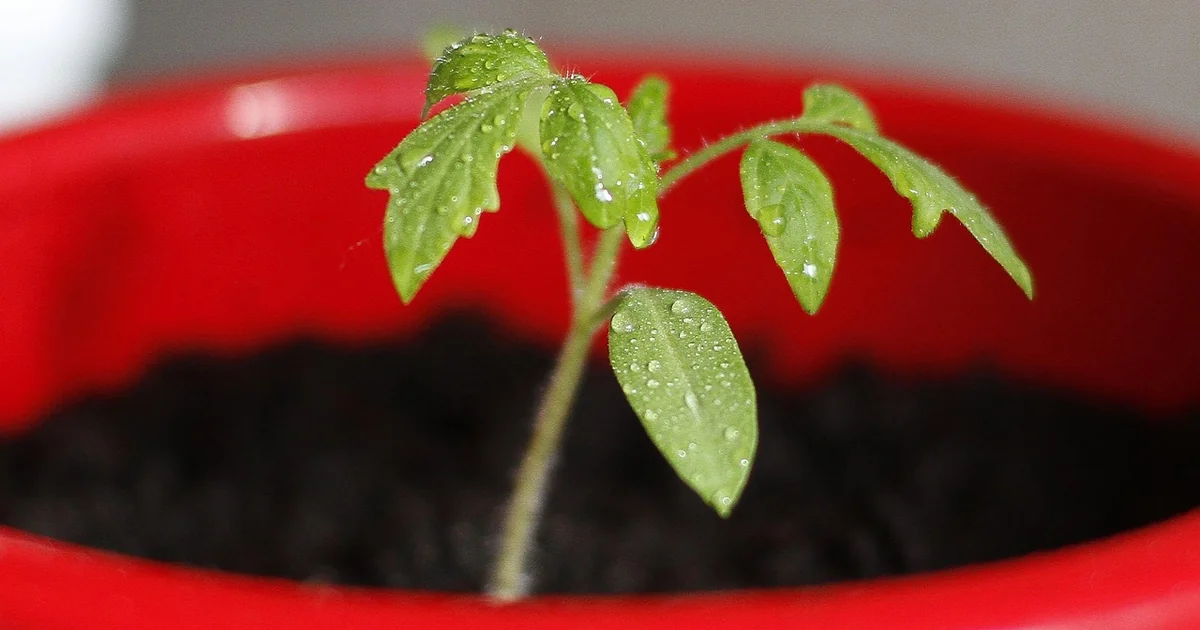
1. Disease-Resistant Tomato Seeds
Starting strong means buying disease-resistant, healthy seeds or seedlings from a reputable seller. This is possibly the most important aspect of growing tomatoes, as a weak start can set the tone for the rest of the season. Disease-resistant seeds are bred to withstand common tomato diseases, such as early blight and septoria leaf spot, which can quickly spread and devastate a crop. By investing in these seeds, you can save yourself the frustration of dealing with fungal infections and instead focus on nurturing a healthy plant.
When choosing disease-resistant seeds, look for varieties that have been specifically bred for your region’s climate and soil type. Some popular options include the ‘Better Boy’ and ‘Early Girl’ varieties, which are known for their high yields and resistance to common tomato diseases.
2. High-Quality Soil
Not all soil is created equal, and even good soil isn’t necessarily right for the job you have in mind. If you’re growing in a container, you’ll need potting soil that drains better and will keep your potted container from getting waterlogged. This is especially important for tomatoes, which are prone to root rot in soggy soil.
For in-ground gardening, it’s essential to get your soil tested first. Many soils contain lead and other heavy metals, which can be toxic to tomatoes and other edibles. A soil test will help you identify any contaminants and recommend the best amendments to create a safe and fertile growing environment.
3. Compost
Just like with fertilizer, high-quality compost can be the thing that makes a good tomato crop. Compost enriches the soil with nutrients and microorganisms that help break down organic matter. This can lead to healthier plants, increased yields, and a more robust flavor.
When choosing a compost, look for one that’s specifically designed for vegetables or tomatoes. Some popular options include the ‘Lobster & Crab Compost Blend’ and the ‘Ocean Forest Potting Soil’. These blends are rich in organic matter and will provide your tomatoes with the nutrients they need to thrive.
4. Support System
As your tomatoes grow, they’ll need support to prevent them from toppling over under their own weight. While wire tomato cages are a popular option, they can be flimsy and prone to collapse. A sturdy support system, such as a modular cage, is a better investment for the long-term health of your plants.
Look for a support system that’s adjustable and can be easily disassembled at the end of the season. This will make it easier to store and reuse the cage in future years.
5. Mulch
Mulch is an often-overlooked luxury that can make a big impact on your tomato crop. By retaining moisture and suppressing weeds, mulch can help your plants conserve energy and focus on producing fruit. Plus, it’s an easy and inexpensive way to add a decorative touch to your garden.
When choosing a mulch, look for one that’s specifically designed for vegetable gardens or tomatoes. Some popular options include wood chips, grass clippings, and straw. Avoid using mulch that contains weed seeds, as these can sprout and compete with your tomatoes for resources.
6. Fertilizer
Tomatoes are heavy feeders and will benefit from regular fertilization. However, not all fertilizers are created equal. Opt for a vegetable or tomato fertilizer that’s specifically designed to meet the needs of your plants. These fertilizers will provide a balanced blend of nutrients that promote healthy growth and fruiting.
You may also enjoy reading: 7 Essential Forever Pieces to Refresh Your Porch for Spring.
When choosing a fertilizer, look for one that’s organic and slow-release. This will help prevent over-fertilization and reduce the risk of burning your plants’ roots.
7. Container
While it’s possible to grow tomatoes in containers, it’s not always necessary. However, if you do choose to containerize your tomatoes, make sure to use a pot that’s specifically designed for the task. A container with good drainage and a wide mouth will make it easier to care for your plants and promote healthy growth.
When choosing a container, look for one that’s made from durable materials and has a built-in water reservoir. This will help prevent overwatering and reduce the risk of root rot.
8. Seed Starting Tray
Seed starting trays are a convenient way to start seeds indoors and get a head start on the growing season. However, you don’t need one to have success starting tomatoes from seed. You can start seeds in an egg carton or even an ice cream cone!
When choosing a seed starting tray, look for one that’s specifically designed for tomato seeds. Some popular options include the ‘Seed Starting Trays’ from Amazon and the ‘Egg Carton Seed Starter’ from Burpee.
9. Trellis
Tomatoes need support as they grow, and a trellis can provide the structure your plants need to thrive. A sturdy trellis will help keep your tomatoes upright and promote healthy growth.
When choosing a trellis, look for one that’s specifically designed for tomatoes. Some popular options include the ‘Tomato Trellis’ from Burpee and the ‘Indoor Plant Trellis’ from Amazon.
By investing in these surprising luxuries, you can give your tomato plants the best chance at success. Remember, it’s all about starting strong with disease-resistant seeds and providing your plants with the nutrients and support they need to thrive. With a little bit of TLC and the right tools, you can enjoy a bountiful harvest of delicious, disease-resistant tomatoes.