Why Larch Deserves a Spot in Your Landscape
Most gardeners assume a needled tree stays green all year. The larch breaks that rule beautifully. During spring and summer, it looks like a classic evergreen with soft green needles and a tall, upright form. Then autumn arrives, and those same needles shift to a brilliant golden yellow before drifting to the ground. What remains is a striking silhouette of bare branches that adds winter interest to any property.
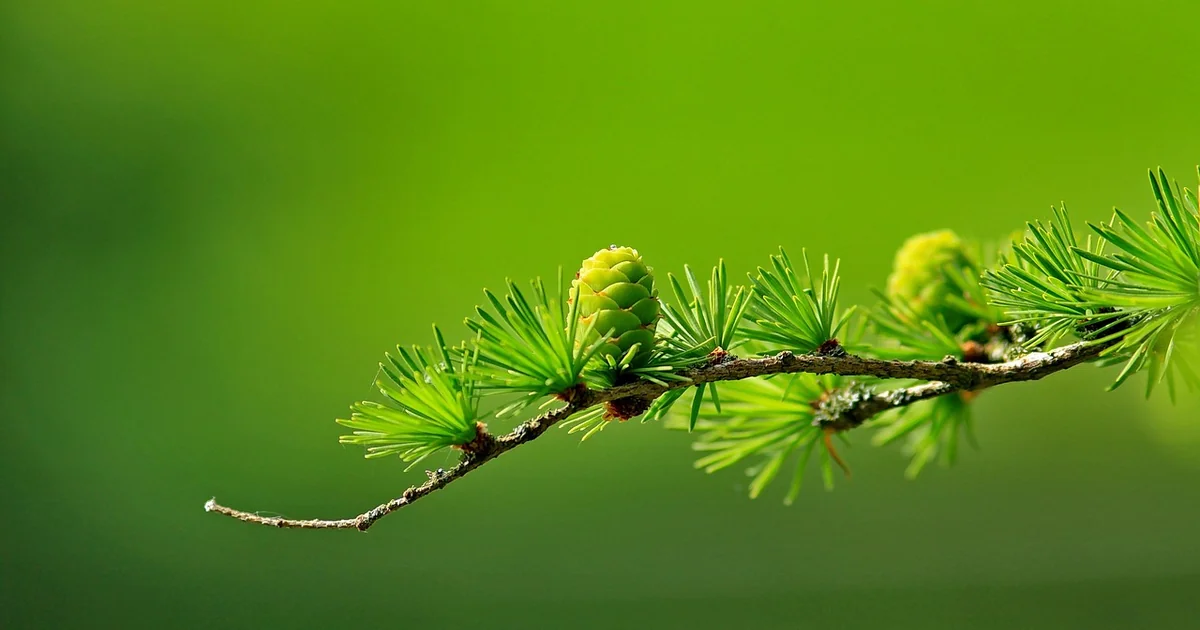
This deciduous conifer offers the best of both worlds. You get the structure of a pine or spruce during the growing season and a dramatic seasonal color show that rivals any maple. For homeowners in cooler climates, planting larch trees is a straightforward project that rewards you with decades of beauty. Let’s walk through exactly how to do it.
Step 1: Select the Right Larch Variety for Your Property
Not all larch trees grow to the same size. Understanding the mature dimensions of each type helps you avoid future headaches. A tree that reaches 80 feet tall needs room to spread, and planting it too close to a house or driveway leads to expensive corrections later.
European Larch (Larix decidua)
This species is the showstopper of the group. It can climb to 100 feet tall with a 30-foot spread. European larch puts on an amazing autumn display when the needles turn bright gold. It works best on large properties, parks, or as part of a windbreak row. If you have acreage or a generous yard, this variety delivers maximum impact.
Tamarack (Larix laricina)
Tamarack is a North American native that grows about 75 feet tall and 30 feet wide. Its needles are a lighter, brighter green during summer, and they turn a rich gold in fall. This species tolerates wetter soil better than European larch, making it a strong choice for low-lying areas or spots near a pond. Tamarack also handles colder winters well, surviving down to Zone 2 without issue.
Compact Cultivars for Smaller Spaces
Don’t fret if you need to work within a residential landscape, because there are smaller cultivars available. ‘Varied Directions’ larch develops into a spreading shrub or small tree reaching about 12 feet tall and wide. Its branches grow in irregular patterns, giving the plant a sculptural, almost artistic quality. Other dwarf forms feature contorted branching or weeping habits that cascade toward the ground. These compact options let homeowners enjoy the golden autumn color without worrying about a tree overwhelming the yard.
Step 2: Find the Perfect Planting Location
Larch trees have specific environmental needs. Meeting those requirements from the start makes the difference between a thriving specimen and a struggling one. The most critical factor is climate. Larch thrives in areas with cool summers and cold winters down to Zone 2. If your location has hot, humid summers, the tree will not perform well. Needles may discolor, growth slows, and the tree becomes more vulnerable to disease.
Sunlight Requirements
Plant the tree in a spot where it receives at least six hours of direct sunlight each day. Full sun produces the densest growth and the most vibrant fall color. Partial shade leads to a thinner canopy and less dramatic autumn gold. When you are planting larch trees, prioritize an open area that stays bright throughout the day.
Soil Preferences
Larch trees prefer moist or boggy soil with a pH between 5.0 and 7.4. They do not tolerate high alkalinity well. If your soil tests above 7.4, consider amending it with sulfur or planting a different species altogether. The soil should drain well enough to avoid standing water, but larch is more tolerant of damp conditions than many other conifers. Adding a layer of organic mulch helps retain soil moisture and keeps the root zone cool during summer.
Spacing Considerations
Most larch trees grow fast and wide. European larch planted as a windbreak needs at least 20 feet between specimens in a row. For ornamental groupings, space trees about 15 to 25 feet apart depending on the variety. Closely planted specimens eventually grow together, which makes their fall needle drop quite dramatic. If you have the space, this tree is particularly striking when planted in groups of three.
Step 3: Plant at the Right Time and Depth
The ideal time to plant a larch tree is early spring. This gives the root system the entire growing season to establish before winter arrives. Nurseries sell larch as bare root or potted plants. Each type requires slightly different handling.
Planting Bare Root Larch
Bare root plants should be planted as soon as they arrive. Soak the roots in water for three to six hours before planting. Dig a hole wide enough to accommodate the roots without crowding them. Create a small cone of soil in the center of the hole and spread the roots over it. Backfill with the original soil, making sure the root collar sits at ground level. Water thoroughly after planting.
Planting Potted Larch
To plant a potted tree, dig a hole that is twice as large as the diameter of the root ball. Place the tree in the hole so the top of the root ball sits level with the surrounding soil. Backfill with the original soil and tamp it down gently to remove air pockets. Water the newly planted tree well until the base around it is soaked. Continue watering regularly to keep the soil evenly moist during the first growing season.
Avoiding Common Planting Mistakes
One frequent error is planting too deep. If the root ball sits below ground level, the trunk can rot. Another mistake is failing to water consistently during the first year. Larch trees need steady moisture while they establish. A third issue is planting in compacted soil without loosening it first. Roots struggle to spread in heavy clay, so amend the planting hole with organic matter if your soil is dense.
When planting larch trees, remember that these trees are sensitive to air pollution. Avoid placing them near busy roads or industrial areas if possible. Pollution can cause needle discoloration and stunted growth over time.
Step 4: Water, Mulch, and Feed Correctly
Larch care after planting is mostly about consistency. The tree has modest needs once established, but the first two years require attention.
Watering Schedule
During the first growing season, water deeply once or twice per week if rainfall is insufficient. The goal is to keep the soil moist but not waterlogged. After the tree establishes, it becomes more drought-tolerant, but it still prefers consistent moisture. In dry spells, give the tree a deep soak every week or two.
Amazon US Verified
Digital 3-in-1 Soil Moisture & pH Meter
Accurate probe to test deep root zone moisture and prevent accidental overwatering.
Mulching for Moisture Retention
Apply a 2 to 3 inch layer of organic mulch around the base of the tree. Keep the mulch a few inches away from the trunk to prevent rot. Wood chips, shredded bark, or compost all work well. Mulch slows evaporation, moderates soil temperature, and reduces competition from weeds. It also adds organic matter to the soil as it breaks down.
You may also enjoy reading: 5 Reasons Using a Sponge to Clean Kitchen Is a Bad Idea.
Fertilizer Considerations
Here is a detail that surprises many gardeners: larch trees generally do not need fertilizer. Planting a larch tree in soil rich in organic matter usually takes care of nutrition. If fertilized in the first two years, a newly planted tree can suffer from fertilizer burn. The roots are delicate and chemical fertilizers can damage them. Scattering a thin layer of compost around the tree every spring is optional but beneficial. Avoid high-nitrogen formulas that push soft growth vulnerable to disease.
Step 5: Prune, Monitor, and Protect
Ongoing maintenance for larch is minimal, but a few tasks keep the tree healthy and looking its best.
Pruning Guidelines
Except to remove dead or damaged branches promptly when you notice them, it is usually not necessary to prune larch. The tree naturally develops a strong central leader and an attractive shape. If you need to prune for size control or to shape the canopy, do it during winter dormancy. Pruning in winter minimizes stress and reduces the risk of disease transmission. Use clean, sharp tools and make cuts just outside the branch collar.
Watching for Fungal Diseases
Larch can get infected by two serious fungal diseases: needle blight and needle cast. Both can defoliate the tree if left unchecked. The first sign is usually browning or premature dropping of needles. Raking and disposing of fallen needles is important to prevent the disease from spreading. Do not compost infected needles. If the problem persists, a fungicide applied in spring may help, but proper sanitation is the first line of defense.
Managing Pests
Serious pests include larch casebearer and larch sawfly. The casebearer is a tiny insect that mines the needles, causing them to turn brown and drop. Larch sawfly larvae eat the needles, sometimes stripping entire branches. Like with all pests, make sure to identify the pest before treating it with any product. Many infestations are minor and do not threaten the tree’s long-term health. Beneficial insects often keep populations in check. If treatment becomes necessary, choose a targeted product that does not harm pollinators.
Winter Protection
Larch trees are fully hardy in Zones 2 through 6. They do not need winter protection in these zones. The tree goes dormant and drops its needles naturally. However, young trees with thin bark may benefit from a tree wrap in areas with severe winter sun and wind. This prevents sunscald on the south-facing side of the trunk.
Frequently Asked Questions About Planting Larch Trees
How fast does a larch tree grow?
Larch trees are among the faster-growing conifers. Under good conditions, they can add 12 to 24 inches of height per year. European larch tends to grow faster than tamarack. Growth rates slow somewhat after the tree reaches about 20 years of age.
Can larch trees grow in clay soil?
Larch can tolerate clay soil as long as it does not stay waterlogged for extended periods. Amending the planting hole with organic matter improves drainage and gives the roots a better start. Avoid planting in pure clay that stays soggy after rain.
Amazon US Verified
Organic Perlite Horticultural Soil Conditioner
Lightweight volcanic mineral that improves root aeration and prevents compaction.
Do larch trees need full sun?
Yes, larch trees perform best in full sun with at least six hours of direct light daily. Less sunlight leads to a thinner canopy and reduced fall color. In shade, the tree may grow slowly and become more susceptible to disease.
When is the best time to plant a larch tree?
Early spring is the ideal time for planting larch trees. This gives the roots the entire growing season to establish before winter. Bare root trees should go into the ground as soon as they arrive. Potted trees can also be planted in early fall in milder climates, but spring is preferred.
Are larch trees messy?
Larch trees drop their needles every autumn, which some gardeners consider messy. However, the needles decompose quickly and do not need raking unless you are managing fungal disease. The fallen needles also make good mulch for acid-loving plants. The tree produces small cones that drop as well, but they are not particularly abundant or troublesome.
Growing a larch is easy as long as you live in a region with cool summers and cold winters. The tree rewards you with evergreen-like structure during the warm months and a spectacular golden display each fall. Whether you choose a towering European larch for a windbreak or a compact cultivar for a small yard, the process remains the same. Choose the right variety, find a sunny spot with moist soil, plant at the correct depth, water consistently, and perform minimal maintenance. Follow these five steps, and your larch will thrive for generations.
As an Amazon Associate, azuloz.com earns from qualifying purchases.