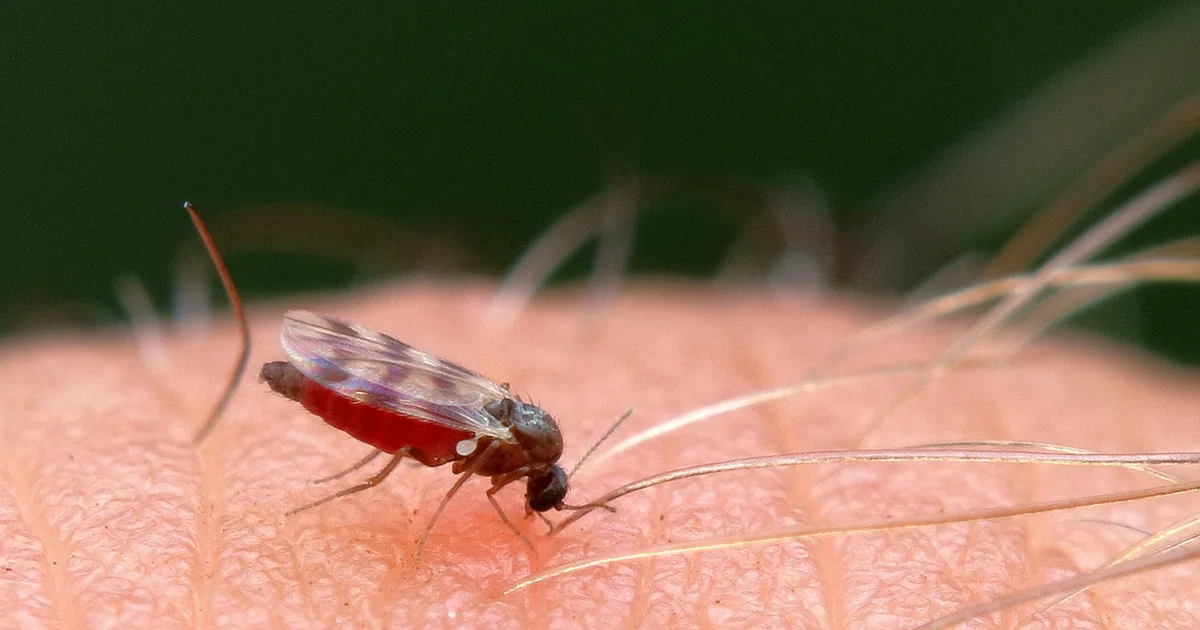
Few things ruin the calm of a clean kitchen faster than spotting tiny winged insects hovering near the fruit bowl or rising from the sink drain. If you have noticed these uninvited guests, you are not alone. The good news is that dealing with gnats in kitchen spaces does not require harsh chemicals or expensive exterminators. Most infestations can be cleared up with items you probably already have in your pantry. The key is understanding what draws them in and then using targeted methods to remove both the adults and their breeding grounds. Below are seven professional-grade fixes that work quickly and safely.
7 Fast Fixes to Eliminate Gnats in Kitchen
Each of these methods attacks the problem from a different angle. For best results, combine two or three approaches at the same time. Gnats reproduce fast, so acting quickly and thoroughly makes a real difference.
1. The Classic Apple Cider Vinegar Trap
This method remains the gold standard for a reason. The scent of fermented vinegar draws gnats in from across the room, and the setup takes less than two minutes. Pour about half an inch of apple cider vinegar into a small bowl or jar. Add two drops of liquid dish soap and stir gently. The soap breaks the surface tension of the vinegar, so when a gnat lands to drink, it sinks instead of floating. Cover the container with plastic wrap and secure it with a rubber band. Poke five or six small holes in the wrap with a toothpick. Place the trap near the area where you see the most activity. Within a few hours, you will see results. Replace the vinegar every two days until the population disappears.
2. Baking Soda and Salt Drain Treatment
Many people overlook the drain as the real source of the problem. Organic matter builds up inside pipes and creates a perfect nursery for gnats and drain flies. This fizzy treatment clears that residue without toxic fumes. Mix half a cup of baking soda with half a cup of table salt. Pour the dry mixture directly into the drain. Follow immediately with one cup of white vinegar. The chemical reaction creates bubbles that scrub the pipe walls while the salt acts as an abrasive to break down sticky biofilm. Let it sit for one full hour. Then flush the drain with a kettle full of boiling water. Repeat this process once a week for a month to keep breeding sites clean.
3. Bleach Solution for Drains
When the baking soda method is not enough, a diluted bleach solution offers a stronger clean. Bleach kills bacteria and dissolves the organic sludge that gnats and drain flies feed on. Mix one cup of bleach into one gallon of cool water. Wear rubber gloves and pour the solution slowly down the affected drain. Avoid splashing. Let the bleach sit for ten minutes, then run cold water for two minutes to flush the pipe. Do not use boiling water immediately after bleach, as the combination can produce harmful fumes. Use this method no more than once every two weeks to avoid damaging your pipes. It works best as a follow-up to the baking soda treatment after the initial fizzy clean.
4. Homemade Gnat Repellent Spray
This spray does not kill gnats on contact, but it creates an invisible barrier that drives them away from surfaces. Fill a spray bottle with one cup of water. Add one tablespoon of white vinegar, two drops of liquid dish soap, and a pinch of baking soda. Shake the bottle gently to combine. Mist the spray around sink edges, countertops, window sills, and near trash cans. Avoid spraying directly on food or open dishes. The vinegar smell fades quickly for humans, but gnats find it irritating. Use the spray every evening after you finish cleaning the kitchen. Over time, the gnats will seek out a different area, making it easier to trap the remaining few.
5. Cinnamon as a Natural Deterrent
Ground cinnamon offers a pleasant-smelling solution that gnats genuinely dislike. The strong scent masks the food odors that attract them, and it is completely safe to use around food. Sprinkle a thin layer of ground cinnamon directly into the kitchen trash can after you change the liner. Dust a small amount over the soil of any potted plants that might host fungus gnats. You can also place an open jar of cinnamon sticks on the counter near the fruit bowl. For extra coverage, mix a teaspoon of cinnamon powder into the top inch of potting soil. Reapply every few days until the gnats disappear. This method pairs especially well with the apple cider vinegar trap because it pushes gnats away from food sources and toward the trap.
6. Sticky Traps and Glue Cards
Passive trapping works around the clock and requires no maintenance once set up. Plug-in glue traps that resemble nightlights are available at most hardware stores. They use a warm light to attract gnats, then catch them on a replaceable sticky panel. Place one near the sink and another near the trash area. For houseplants that have fungus gnats, use yellow sticky cards that stick directly into the soil. Cut the cards into smaller pieces if needed. Check the traps every few days and replace them when they become full. These traps do not use electricity to kill insects, so they are safe to leave on overnight. They also help you monitor whether the infestation is getting better or worse.
You may also enjoy reading: 7 Reasons Young Zucchini Plant Has Yellow Leaves & Fixes.
7. The Wine Trap Trick
Leftover wine that has gone flat works just as well as apple cider vinegar. The fermented grape scent is irresistible to gnats and fruit flies. Pour about half a cup of red or white wine into a jar or bowl. Add two drops of dish soap and swirl gently. Cover the container with plastic wrap and poke small holes in the top. Place it on the counter where you have seen the most gnats. The wine pulls them in, and the soap traps them. If you do not have leftover wine, a splash of balsamic vinegar mixed with a teaspoon of sugar produces a similar effect. This trap is especially useful if you are hosting a gathering and want to keep gnats away from the serving area without using a strong vinegar smell.
Understanding What Attracts Gnats in Kitchen Environments
Knowing why gnats choose your kitchen helps you stop them before they return. Moisture ranks as the number one draw. Leaky pipes, damp sponges, and wet dish rags create ideal conditions for gnats to lay eggs. Food residue comes second. Crumbs on the counter, sticky spills under the refrigerator, and overripe fruit all release odors that travel across the room. Dirty dishes left in the sink overnight provide both food and moisture in one spot. Drain sludge offers a hidden buffet. Even a clean-looking sink can harbor a thin film of organic matter inside the pipe. That film feeds hundreds of gnats without you ever seeing the source. The key to long-term control is addressing all four factors at once.
Preventing Gnats in Kitchen Spaces Long Term
Once you have cleared the current infestation, a few small habits keep them from coming back. Take out the trash every evening, even if the bag is not full. Rinse recyclable containers before putting them in the bin. Store fruits like bananas, tomatoes, and peaches in the refrigerator during warm months. Wipe down countertops and the stovetop after every meal. Squeegee the sink dry after washing dishes. Replace kitchen sponges every week or microwave them damp for one minute to kill bacteria. Check under the sink for leaks and fix them promptly. Pour a kettle of boiling water down each drain once a week as a preventive flush. These routines take less than five minutes a day and eliminate the conditions that attract gnats in the first place. Consistency matters more than intensity.
Common Mistakes People Make When Dealing With Gnats
Several well-meaning approaches actually make the problem worse. Spraying generic insecticide in the air kills a few adults but leaves the eggs and larvae untouched. Those eggs hatch within days, and the cycle continues. Leaving fruit on the counter while using a trap is another error. The fruit scent competes with the trap and often wins. For the trap to work best, remove all other food sources. Ignoring houseplant soil is also a frequent oversight. Fungus gnats breed in damp potting mix, and they look nearly identical to fruit flies. If you have plants in the kitchen, let the soil dry out between waterings. Finally, cleaning only one drain is rarely enough. Kitchen sinks often have two basins, and both need treatment. Dishwashers also have drains that can harbor gnats. Run a cleaning cycle with vinegar once a month to keep that area clear.
Getting rid of gnats in kitchen areas does not require professional help or harsh chemistry. With these seven methods and a few adjusted habits, you can reclaim your kitchen in just a few days. Start with the apple cider vinegar trap and a deep drain clean. Add the cinnamon and sticky traps for backup. Within a week, the only flying things in your kitchen will be the steam from your morning tea.