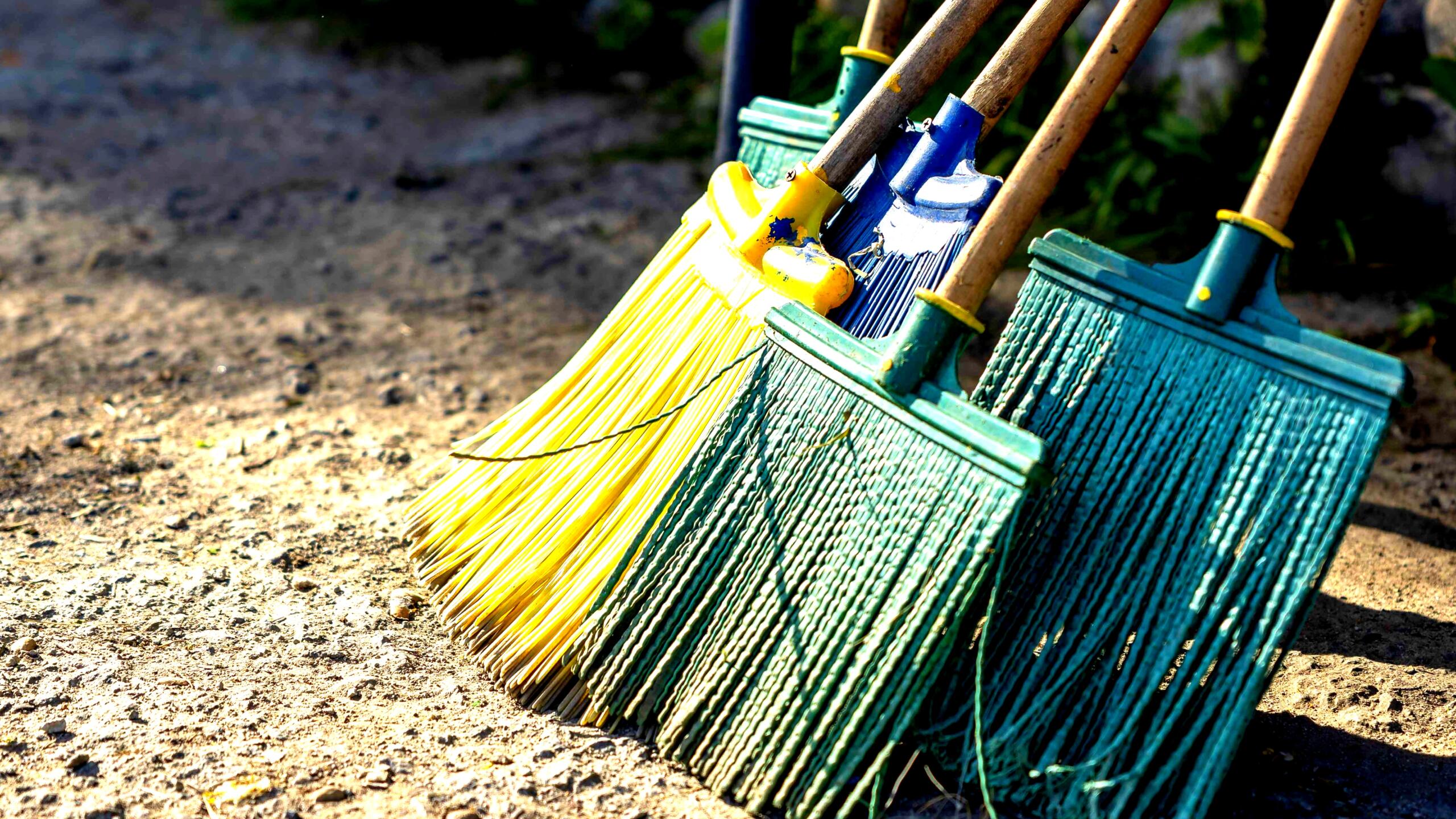
The best time for spring garden cleaning to protect pollinators is when low temperatures are reliably in the 50s Fahrenheit, typically around mid-May in northern and midwestern US. Delay cleaning until then to allow overwintering insects to emerge from leaf piles and plant debris. If you must clean early, pile debris loosely in an out-of-the-way area. Garden cleaning is the process of removing plant debris, leaves, and dead vegetation from gardens to maintain plant health, prevent disease, and prepare for new growth, while considering wildlife that overwinters in debris.
Why Should You Delay Spring Garden Cleaning for Pollinators?
Timing your garden cleaning matters because many pollinators and other wildlife depend on dead plant material for winter shelter. According to the University of Illinois Extension, many moths and butterflies, including mourning cloak, swallowtails, and luna moths, overwinter in leaves. Bumble bee queens may use leaves to overwinter, and leafcutter and mason bees may use old flower stalks as nests for overwintering offspring. Cleaning plant debris removes these overwintering areas and the insects themselves.
Butterflies overwinter in chrysalis on dead plants and native bees hibernate in hollow stems; birds feed on spent sunflowers while caterpillars roll into milkweed seedpods for winter shelter. Frogs and other wildlife use fall leaves for insulation. Leaving plant debris gives overwintering insects time to emerge in spring. Therefore, waiting until mid-May is crucial for their survival.
When Is the Best Time to Start Garden Cleaning in Spring?
The ideal window for spring garden cleaning depends on your region. In northern and midwestern US, the earliest garden cleanup should be around mid-April, according to the University of Illinois Extension. However, the truly optimal cleanup time arrives when low temperatures are reliably in the 50s Fahrenheit, around mid-May. By mid-May, soil is sufficiently warm and overwintering insects have emerged from their leaf and stem shelters.
Waiting until this point ensures that beneficial pollinators like bumble bees and butterflies can complete their winter life cycle unharmed. This timing is recommended by the University of Illinois Extension for optimal pollinator protection. It is a key step in responsible spring garden cleaning.
How to Clean Your Garden Early Without Harming Pollinators
If you need to clean your garden before mid-May, follow these steps to minimize harm to pollinators, based on guidance from the University of Illinois Extension, which allows you to clean early while giving insects a chance to escape. This practical compromise keeps your garden tidy and pollinator-friendly. It is a win-win for gardeners and wildlife. Ensure you pile debris loosely.
- Tidy highly visible areas first. Focus on spaces near your home or walkways, and leave out-of-the-way places undisturbed for now.
- Pile plant debris loosely in an out-of-the-way area. Loose piles give insects a chance to emerge, while large, compact piles may trap them.
- After mid-May, compost or dispose of the debris. By then, most insects have already emerged.
How to Prune Flower Stalks to Support Pollinators
Proper pruning of old flower stalks preserves valuable nesting sites for native bees. The University of Illinois Extension recommends pruning old stalks of bee balm, blazingstar, coneflower, and goldenrod earlier in spring. Leave 8–24 inches of stalk when pruning to provide varying diameters that accommodate different bee species. New plant growth will quickly hide the pruned stalks if appearance is a concern.
Eggs laid in stalks hatch during the growing season, and bees overwinter in the stalks before emerging the next year; for additional nesting habitat, bundle pruned flower tops and place them in a sheltered location. This method ensures that bees have shelter. University of Illinois Extension recommends this approach. Follow these pruning tips for the best results.
What About Leaf Cleanup? Should You Remove All Leaves?
Leaf cleanup should be selective to protect wildlife and soil health; only turfgrass requires leaf removal. For lawn areas, mulch leaves with a mower to add nutrients and reduce weed seed germination. Rake excess leaves to make leaf mold, a valuable soil amendment. Also, remove leaves from ponds to prevent water quality reduction.
Compost leaves with green materials for a fall-to-spring fertilizer, keeping the compost pile moist and turning it occasionally, and leave leaf piles in corners and under shrubs as overwintering habitat for pollinators and other beneficial wildlife. This dual approach improves garden fertility and supports wildlife. It is an important part of sustainable gardening.
Additional Fall and Spring Garden Tasks for Pollinator Health
Beyond timing garden cleaning, several other tasks support pollinators and overall garden health, including the following practices recommended by experts; these can be performed in fall and spring to maximize benefits. Implement them as part of your garden routine to create a pollinator-friendly environment. Each task contributes to the health of your garden and its wildlife.
- Leave most perennials uncut through winter for bee nesting; cut peonies, bearded irises, and lilies to 3–5 inches.
- Remove diseased plants immediately to prevent overwintering fungi and insects.
- Clear diseased vegetable plants and rotting material to prevent squash bugs and diseases.
- Cover ground with organic mulch or plant a cover crop after clearing vegetables.
- Delay mulching fruit trees and berry bushes until end of winter for frost cleansing of pests.
- Remove and store plant supports after cleaning.
- Weed in fall to prevent winter annual weeds like henbit and chickweed.
- Set mower blades high for the final cut to protect soil and turf health.
- Use a shredding mower to return leaf litter to soil.
- Create brush piles from shrub clippings for birds and small mammals.
- Keep bird feeders filled with fatty foods in winter.
- Plant spring-flowering bulbs like daffodils, crocuses, and grape hyacinths for early nectar. Plant bulbs by late October into early November at appropriate depths according to package instructions. Avoid tulips if deer are a problem; choose daffodils, alliums, and crocuses.
- Dig up tropical bulbs such as cannas, dahlias, and elephant ears before hard freeze.
Conclusion
Timing your spring garden cleaning to protect pollinators is a simple but impactful practice. Wait until low temperatures are reliably in the 50s Fahrenheit, typically mid-May in northern and midwestern regions, to allow overwintering insects to emerge. If you must clean early, pile debris loosely in out-of-the-way areas.
Prune flower stalks leaving 8–24 inches for nesting, and manage leaves selectively to preserve habitat. By following these cues, you support bees, butterflies, birds, and other wildlife while keeping your garden healthy and productive. This approach benefits your entire garden ecosystem. It is a win for both plants and pollinators.
FAQ
Q: When should I start spring garden cleaning to protect pollinators?
A: The best time is when low temperatures are reliably in the 50s Fahrenheit, around mid-May in northern and midwestern US. This gives overwintering insects time to emerge from leaf piles and plant debris.
Q: Can I clean my garden early if I have to?
A: Yes, but tidy only highly visible areas first. Pile plant debris loosely in an out-of-the-way area so insects can still emerge. After mid-May, you can compost or dispose of the debris.
Q: Should I remove all leaves from my garden in spring?
A: No, only remove leaves from turfgrass if they cover over 20% of the lawn. Leave leaf piles in corners and under shrubs as overwintering habitat for pollinators like bees and butterflies.
Q: How should I prune flower stalks to help pollinators?
A: Prune old stalks of bee balm, blazingstar, coneflower, and goldenrod early in spring, leaving 8–24 inches of stalk to provide nesting sites for bees. New growth will hide the pruned stalks.