What Makes a Perennial Overrated?
There is something magical about watching a perennial push through the soil after a long winter. These plants promise return visits year after year. But a returning plant is not always a rewarding one. Some popular perennials demand a lot of space, time, or patience for very little payoff. Understanding which plants fall into the category of overrated perennials can save you from a season of disappointment.
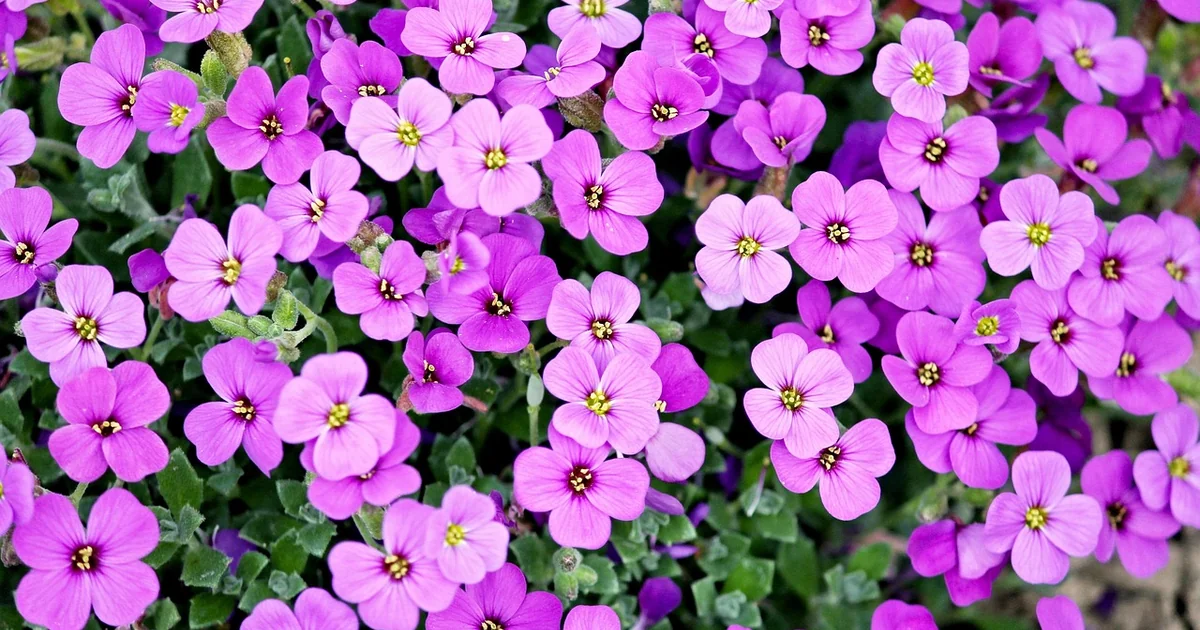
Before we dig into the list, it helps to define the term. An overrated perennial is one that is widely available and heavily promoted but fails to deliver consistent value in the average home garden. This could mean a bloom period that lasts only a handful of days. It could mean a plant that requires constant division, staking, or spraying to look presentable. It might even mean a plant that spreads so aggressively it becomes a nuisance. Farmer and founder of The Naked Botanical, Anna Hackman, notes that if a plant looks terrible for most of the season, it simply is not worth the real estate in your flower bed.
The Hidden Cost of High-Maintenance Perennials
Many gardeners focus only on the purchase price of a plant. They see a $15 lavender or a $12 delphinium and think it is a bargain. But the true cost is measured in time. Staking delphiniums takes an hour. Pruning lavender correctly requires research and a steady hand. Dividing daylilies is heavy labor. If your gardening time is limited to a couple of hours on the weekend, a plant that demands constant attention is actually very expensive in terms of your leisure time. This hidden labor cost is what truly defines an overrated perennial.
There is also the emotional cost. A plant that struggles, fails to bloom, or dies over the winter can be deeply frustrating. You did everything right according to the tag, yet the plant still sulks. This disappointment can sour a new gardener on the entire hobby. Choosing reliable, low-effort plants from the start builds confidence and joy.
The Trade-Off: Brief Beauty vs. Season-Long Interest
A plant can be beautiful without being practical. A garden designed for peak seasonal interest might welcome a peony or an iris. But a garden designed for continuous enjoyment from May to October needs workhorses. Plants like Heuchera offer colorful foliage all season. Salvias bloom for months. Ornamental grasses provide texture and motion. When you evaluate a perennial, ask yourself: What does this plant do for the garden for the other 11 months of the year? If the answer is not much, it might be one of those overrated perennials you are better off skipping.
5 Overrated Perennials You Should Skip This Spring
Below are five specific plants that often fail to deliver on their promises. For each one, we explain the drawback and offer a smarter alternative.
1. Peonies (Paeonia lactiflora)
Peonies are the quintessential cottage garden flower. Their massive, fragrant blooms are undeniable showstoppers in late spring. However, Hackman notes that this performance is incredibly brief. A single rainstorm can shatter the delicate petals, leaving behind a ragged mess. Once the blooms are gone, you are left with a round shrub of dark green foliage that, by late summer, often develops powdery mildew or simply looks tired. For the 51 other weeks of the year, a peony plant is mostly just a green bush. If you have limited space, a plant that shines for only 7 to 10 days might not be the best investment.
A better choice: Consider a dwarf flowering shrub like a ‘Pygmaeus’ potentilla or a reblooming azalea. These offer a longer season of interest without the dramatic letdown.
2. Daylilies (Hemerocallis)
Daylilies are often marketed as the ultimate low-maintenance plant. While they are tough, they are not always reliable performers. Hackman explains that daylilies can be hit or miss when it comes to blooming every year. The most common reason is overcrowding. If you do not dig up and divide the clumps every 3 to 4 years, the root mass becomes so dense that flowering decreases dramatically. This makes them higher maintenance than most people expect. Furthermore, common orange daylilies can be quite aggressive, spreading into areas where they are not welcome. Managing a patch of daylilies requires annual effort that many gardeners do not anticipate.
A better choice: Try Siberian iris for reliable, non-invasive foliage and elegant blooms. It requires division far less frequently and has attractive grass-like leaves all season.
3. Lavender (Lavandula angustifolia)
Lavender is beloved for its scent and silvery foliage. But it is a plant that demands perfection from its environment. Hackman emphasizes that lavender needs the perfect spot: exceptional drainage and a full day of direct sunlight. In heavy clay soil or a shady corner, it will sulk, rot, or die within a single season. Even if it survives, lavender requires a specific pruning regimen. You must cut it back hard in late summer or early spring, but never into the old wood. Many homeowners are not willing to invest this specific care. If your garden does not naturally mimic the rocky, dry slopes of the Mediterranean, lavender will be a constant source of frustration rather than joy.
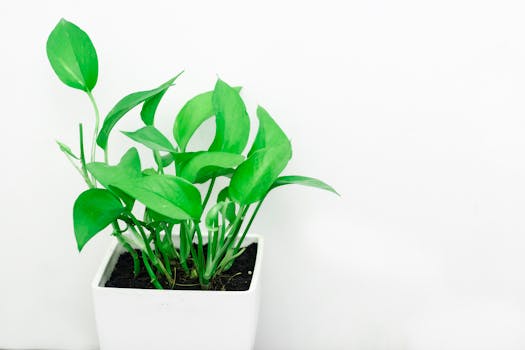
Amazon US Verified
Organic Perlite Horticultural Soil Conditioner
Lightweight volcanic mineral that improves root aeration and prevents compaction.
A better choice: Catmint (Nepeta) offers similar silvery foliage and purple-blue flowers for months on end. It is drought-tolerant, deer-resistant, and thrives in average soil without special pruning.
4. Foxgloves (Digitalis purpurea)
Foxgloves bring vertical drama and charm to a shade garden. However, they are technically biennials. They grow foliage in year one, bloom in year two, and then often die. While they do self-seed, they do not reliably return in the same spot year after year like a true perennial. Hackman points out that foxgloves often do not come back every year in her experience. Additionally, the tall flower stalks can look incredibly messy once the blooms fade. In the heat of summer, the lower leaves turn brown and ragged. Without diligent clipping and deadheading, the plant can quickly become an eyesore, decreasing the visual interest of your garden rather than adding to it.
Amazon US Verified
Self-Watering Planters with Drainage Aerators
Elevated reservoir design that prevents soggy roots and ensures steady hydration.
You may also enjoy reading: 5 Reasons Using a Sponge to Clean Kitchen Is a Bad Idea.
A better choice: For vertical interest that returns reliably, try ‘Blue Hill’ sage or veronica. Both produce tall spikes of color that last for weeks and require minimal cleanup.
5. Delphiniums (Delphinium elatum)
No list of overrated perennials is complete without mentioning delphiniums. These stately spires of blue, purple, or white are the backbone of the English cottage garden aesthetic. But achieving that look requires a tremendous amount of work. Delphiniums are heavy feeders, need constant staking to prevent their hollow stems from snapping in the wind, and are highly susceptible to powdery mildew, slugs, and snails. They are also short-lived perennials, often dying out completely after 2 or 3 years. For the average gardener, the constant vigilance required to keep delphiniums looking pristine is simply not sustainable.
A better choice: If you crave vertical blue spikes, try Baptisia australis (false indigo). It is a long-lived, drought-tolerant perennial that produces beautiful blue spikes in late spring and has attractive blue-green foliage all summer. Unlike delphiniums, it never needs staking and is not bothered by pests.
Frequently Asked Questions About Overrated Perennials
What is the most overrated perennial for beginner gardeners?
For beginners, lavender is often the most frustrating. It requires a very specific soil pH, excellent drainage, and yearly pruning. Beginners often overwater it or plant it in soil that is too rich, leading to root rot and a short lifespan.
Are peonies really not worth planting?
It depends on your gardening philosophy. If you value a spectacular 10-day show and have plenty of space for a shrub that looks average for the rest of the year, a peony can be worth it. However, if you have a small garden and need every plant to earn its keep for months, peonies may feel like a waste of valuable space.
Why do daylilies stop blooming?
The most common reason is overcrowding. Daylilies form dense clumps. When the clump gets too large, the center of the plant stops producing flowers. The solution is to dig up the clump in early spring or fall, divide it into smaller sections, and replant them with plenty of space.
What are good alternatives to high-maintenance perennials?
For reliable, long-blooming color, consider coneflowers (Echinacea), black-eyed Susans (Rudbeckia), catmint (Nepeta), or Russian sage (Perovskia). These plants are drought-tolerant, deer-resistant, and bloom for 8 to 12 weeks with very little care.
How can I tell if a perennial is invasive?
Before buying, check your local extension office’s invasive plant list. Look for keywords on the plant tag like spreads readily, naturalizes easily, or vigorous grower. Plants with creeping root systems or that self-seed prolifically can quickly become a problem in a manicured garden bed.
Gardening should be a source of joy, not a second job. By skipping these five overrated perennials, you free up space, time, and energy for plants that will reward you generously. Choose plants that match your light, soil, and the amount of care you can realistically give. Your garden will thank you for it.
As an Amazon Associate, azuloz.com earns from qualifying purchases.