There is a moment in late spring when the backyard grill transforms from a seasonal novelty into a weekly ritual. For many home cooks, that transition begins with a simple goal: mastering grilled chicken skewers that are truly juicy, charred at the edges, and brimming with flavor. Add a bright, herbaceous chimichurri to the equation, and you have a dish that feels both elevated and deeply approachable.
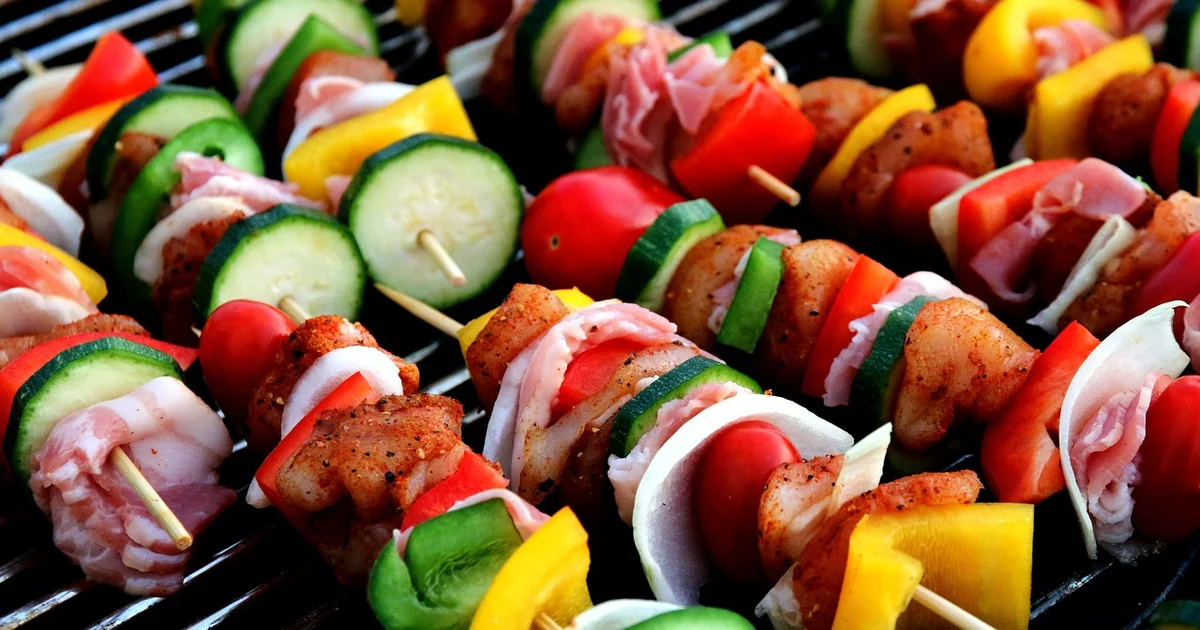
2. Mastering the Marinade: Acidity, Time, and Flavor
A great marinade does three things: it seasons the meat, it tenderizes the surface proteins, and it builds a foundation of flavor that complements the finishing sauce. For chicken skewers chimichurri, the marinade should feature smoky, earthy notes that stand up to the bright, herbal chimichurri.
Smoked paprika brings a subtle campfire depth and a rich red hue to the meat. Cumin adds warmth and a slightly nutty character. Fresh lime juice provides the necessary acidity, but here is where timing becomes critical.
The Chemistry of Acid and Protein
Lime juice is highly acidic, with a pH around 2.0. When it contacts the chicken, it begins to denature the protein chains, much like a gentle cooking process. This is beneficial for the first few hours, as it helps the meat retain moisture. However, beyond four hours, the acid will continue to break down the fibers, resulting in a mushy, mealy texture that is often described as “pasty.”
For optimal results, limit your marination time to between two and four hours. Always include a generous amount of olive oil in the marinade, which helps distribute the fat-soluble flavors in the paprika and cumin while also protecting the meat from direct contact with the acid. A typical blend for two pounds of chicken might include 1/4 cup olive oil, 2 tablespoons lime juice, 1 tablespoon smoked paprika, 1 teaspoon cumin, and a generous amount of minced garlic.
4. Building a Chimichurri with Depth and Texture
Chimichurri is the soul of this dish. The contrast between the smoky, charred meat and the bright, herbaceous sauce is what makes chicken skewers chimichurri a truly memorable meal. However, the texture of the sauce is paramount.
The Hand-Chop Versus Food Processor Debate
A food processor is convenient, but it often turns the herbs into a paste, bruising them excessively and releasing bitter compounds. For a superior texture, chop the herbs by hand. A sharp chef’s knife and a steady rhythm are all you need to create a fluffy, vibrant sauce.
Traditional Argentine chimichurri uses flat-leaf parsley and dried oregano as its base. Fresh oregano can be substituted, but use half the amount as its flavor is significantly more potent. Garlic should be minced very finely, almost to a paste, to ensure it disperses evenly without overpowering the herbs.
The Emulsification Secret
Unlike vinaigrettes, chimichurri is not meant to be a fully emulsified sauce. The oil and vinegar should remain slightly separated, allowing you to mix them together just before serving. This creates a sauce that is both pungent and fresh. Use a ratio of roughly 3 parts olive oil to 1 part red wine vinegar or sherry vinegar. Add a pinch of red pepper flakes for gentle heat, and let the sauce rest for at least 15 minutes before serving to allow the dried herbs to rehydrate and the flavors to meld.
5. Managing the Grill Temperature for Skewers
Grilling skewers presents a specific challenge: the small pieces of meat cook quickly, but they also drip fat onto the coals, causing flare-ups. Managing the heat zone is the solution to this problem.
Setting Up a Two-Zone Fire
Whether you are using a charcoal kettle grill or a gas burner, create two distinct heat zones. On a gas grill, leave one burner on high and one burner off. On a charcoal grill, pile the coals on one side of the kettle, leaving the other side empty. This setup allows you to sear the skewers over direct heat and then move them to the cool side to finish cooking without burning.
Targeting the Correct Internal Temperature
For chicken thighs, the USDA safe minimum of 165°F is just the starting point. Thighs actually improve up to 180°F or 185°F because that is the temperature at which the connective tissue fully breaks down. Use an instant-read thermometer to check a few pieces. If the reading is between 170°F and 175°F at the thickest point, the skewers are ready to come off the grill. Carryover cooking will add another 5 degrees as they rest.
6. Avoiding the Dry Chicken Trap: Resting and Basting
The most common mistake home cooks make is rushing the final step. Pulling the skewers off the grill and immediately sliding the meat onto a plate causes a torrent of juices to run out, leaving the chicken dry.
The Five-Minute Rule
Once the skewers are off the grill, place them on a cutting board or platter and tent them loosely with aluminum foil. Let them rest for five minutes. This allows the muscle fibers to relax and the free-flowing juices to redistribute evenly throughout the meat. When you finally remove the chicken from the skewers, those juices will remain locked inside.
Using Chimichurri as a Basting Agent
During the final minute of grilling, brush a thin layer of chimichurri onto the skewers. This step is optional but highly recommended. The heat will slightly bloom the garlic and herbs, creating a fragrant crust on the surface of the meat. Be careful not to apply it too early, as the oil in the chimichurri can cause dramatic flare-ups. Save the bulk of the sauce for serving.
You may also enjoy reading: 7 Best Tomato Fertilizers The Spruce Ever Tested.
7. Plating, Pairing, and Serving with Style
Your perfectly grilled chicken skewers chimichurri deserve a presentation that matches the flavor. How you serve the dish affects the perception of texture and temperature.
The Warm Sauce Advantage
Chimichurri should be served at room temperature, not cold from the refrigerator. Cold olive oil solidifies and turns waxy on the tongue, muting the bright herbal flavors. Take the sauce out of the fridge at least 20 minutes before you plan to serve it.
Building the Perfect Platter
Slide the chicken off the skewers onto a large serving platter while it is still hot. Spoon a generous amount of chimichurri directly over the top, allowing it to pool around the edges of the meat. Garnish with a sprinkle of flaky sea salt and some fresh parsley leaves.
This dish pairs beautifully with grilled vegetables, a simple green salad, or a side of cilantro lime rice. For a truly memorable backyard spread, a refreshing watermelon mojito provides the perfect counterpoint to the smoky, savory depth of the chicken. The bright mint and sweet watermelon cleanse the palate between each rich, herby bite.
Frequently Asked Questions
Can I use chicken breasts instead of thighs for this recipe?
Yes, you can substitute chicken breasts, but you will need to adjust your technique. Breast meat cooks faster and dries out more easily. Cut the breasts into slightly larger pieces (about 2 inches) and marinate them for no more than two hours. Cook them to an internal temperature of exactly 160°F, then let them rest. The carryover heat will bring them to a safe 165°F without overcooking.
How long should I marinate the chicken for the best flavor?
For the most flavorful results, aim for a minimum of 30 minutes and a maximum of 4 hours. The sweet spot is around 2 to 3 hours. This allows the smoked paprika, cumin, garlic, and lime juice to penetrate the surface of the meat without the acid beginning to break down the proteins into a mushy texture.
Can I make chimichurri without a food processor?
Absolutely. In fact, hand-chopping is the traditional method and often produces a superior texture. Finely mince the parsley, oregano, and garlic with a sharp knife until they are roughly the same size. Combine them in a bowl with the vinegar, oil, salt, and pepper. Whisk gently to combine. The resulting sauce will have a much fluffier, more vibrant consistency than a blended version.
Can these chicken skewers be cooked in the oven?
Yes, if weather or equipment prevents you from grilling, the oven is a reliable backup. Preheat your broiler to high. Place the skewers on a wire rack set inside a baking sheet lined with foil. Broil for 5 to 6 minutes on the first side, then flip and broil for another 4 to 5 minutes. Keep a close eye on them as broilers vary significantly in intensity. The internal temperature should reach 170°F to 175°F.
Can I prepare the chimichurri and chicken skewers ahead of time?
Both components can be prepared in advance with great success. The chimichurri can be made up to two days ahead and stored in a sealed jar in the refrigerator. Bring it to room temperature before serving. The chicken can be marinated up to 4 hours ahead and skewered just before grilling. You can also fully cook the skewers, cool them, and refrigerate them for up to three days. Reheat gently on a grill or in a hot skillet, and finish with fresh chimichurri.