With its dramatic, sword-like leaves and architectural silhouette, the yucca plant brings a touch of the desert Southwest into homes and gardens across the country. Native to arid regions of Mexico, the Caribbean, and the southern United States, this rugged perennial has earned a reputation for being nearly indestructible nearly indestructible. However, even the toughest plants have their preferences. Understanding a few key principles can mean the difference between a thriving, blooming yucca and one that simply survives.
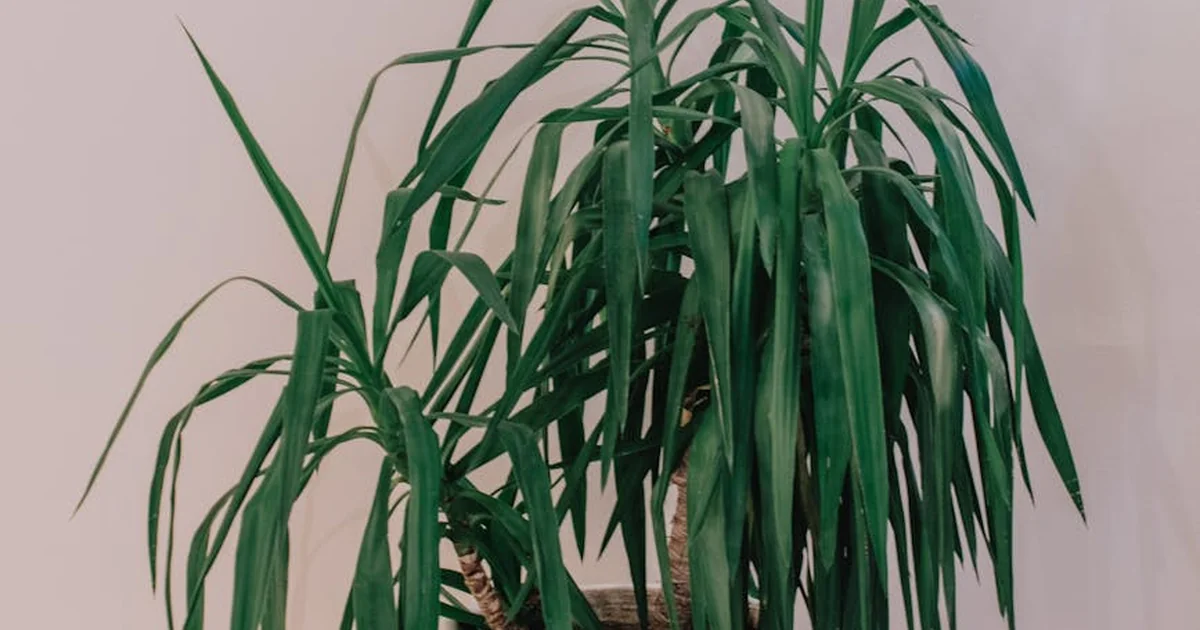
Mastering yucca plant care starts with understanding its native habitat. These plants evolved in harsh, sun-baked landscapes with infrequent rainfall and poor soil. Recreating those conditions in your home or garden is the secret to success. Below, you will find seven expert tips that cover everything from sunlight and watering to pruning and propagation.
1. Give It a Sunbath: Why Full Sun is Non-Negotiable
Yucca plants crave sunlight. In their natural environment, they grow in open spaces with little overhead canopy. To replicate those conditions, choose a spot that receives at least six hours of direct sunlight each day. Full sun produces prolific flower stalks and deep, intense foliage colors, especially in variegated varieties.
When a yucca receives too little light, the leaves stretch thin and become leggy. The plant loses its compact, sculptural form. Variegated types may revert to solid green as chlorophyll production increases to capture more light. For indoor yuccas, place them in the brightest window available, preferably south-facing. Rotate the pot every few weeks to prevent the plant from leaning toward the light source.
Part sun is possible, but it comes with risks. The soil stays wet longer, increasing the chance of root rot. The plant also flowers less reliably. For the best results, give your yucca a sun-drenched location and watch it thrive.
2. Watch the Water: The Number One Killer is Overwatering
It is far easier to kill a yucca with kindness and a watering can than with neglect. These plants are highly drought-tolerant. They store moisture in their thick trunks and fleshy roots. Overwatering leads to root rot, which is often fatal.
Use the soak-and-dry method. Water the plant thoroughly until liquid drains from the bottom of the pot. Then wait until the top two inches of soil feel completely dry before watering again. During the winter months, reduce watering to once a month for indoor specimens. Outdoor yuccas in the ground may need no supplemental water at all once established, except during extended dry spells.
Signs of overwatering include yellowing lower leaves, soft or mushy stems, and a foul smell coming from the soil. If you notice these symptoms, stop watering immediately and let the soil dry out completely. In severe cases, you may need to repot the plant into fresh, dry soil and trim away any rotten roots.
3. Choose the Right Soil Mix: Mimic the Desert Floor
Sharp drainage is the most critical requirement for yucca plant care. These perennials cannot tolerate wet feet. In nature, they grow in sandy, rocky, or gravelly soil that water passes through quickly. Heavy clay garden soil acts like a sponge, holding moisture against the roots and causing them to rot.
If you are planting in the ground, test your soil drainage first. Dig a hole, fill it with water, and see how long it takes to drain. If the water sits for more than a few hours, amend the soil with coarse sand, perlite, or small gravel. Alternatively, plant your yucca in a raised mound 2 to 3 inches above the surrounding soil level. This simple trick keeps the crown and roots drier.
For container plants, use a commercial cactus or succulent mix. If you prefer to make your own, combine two parts standard potting soil, one part coarse builder sand, and one part perlite. This blend provides the fast drainage and low fertility that yuccas naturally prefer.
4. Plant with Protection: Gear Up and Dig Right
Yucca leaves end in sharp, needle-like tips that can puncture skin easily. Always wear thick gardening gloves, long sleeves, and safety glasses when handling these plants. This is especially important when moving large specimens or working in tight spaces.
Spring is the ideal time for planting. This gives the yucca the entire growing season to establish a strong root system before winter. Dig a hole that is three times wider than the nursery pot but exactly the same depth. Burying the crown too deep invites rot. Carefully remove the plant from its container and gently wash away the potting soil from the roots. If you see any roots circling the base, trim them before placing the yucca in the hole.
Because of their sharp points, avoid planting yuccas near high-traffic walkways, driveways, or children play areas. The plant is also toxic to cats, dogs, and horses. If you have curious pets, place the yucca in a location that is completely out of their reach.
5. Understand Temperature Tolerances: Heat Lover, Cold Surprises
Yucca is famously heat-tolerant, thriving in temperatures well above 90 degrees Fahrenheit. But many varieties also possess surprising cold hardiness. Depending on the species, some yuccas can survive winter temperatures as low as 10 degrees Fahrenheit or even lower. The Yucca gloriosa, for example, withstands coastal salt spray and temperatures down to 5 degrees Fahrenheit.
You may also enjoy reading: Tips to Make Compost Tea Like a Pro.
Most yucca species are suitable for USDA hardiness zones 4 through 11. Check the specific variety before planting if you live in a colder region. Potted yuccas are more vulnerable to cold than those planted in the ground. If your zone drops below 5, bring container plants indoors for the winter months.
Humidity is another factor to consider. Yucca grows best in low to moderate humidity. In humid climates, space your plants further apart to encourage good air circulation. This helps prevent fungal diseases on the leaves. Never mist your yucca, as excess moisture on the foliage can lead to spotting and rot.
6. Feed Lightly: Low Nitrogen is the Way to Go
Yucca is a slow grower and does not require heavy feeding. In fact, too much fertilizer, especially nitrogen, can cause weak, floppy growth and reduce the plant overall hardiness. A light feeding schedule is best.
Apply a balanced, slow-release fertilizer with a low nitrogen ratio, such as 5-10-10, once in early spring and again in midsummer. The higher phosphorus and potassium levels support root development and flower production without encouraging excessive leafy growth. Skip the fertilizer entirely for the first year after planting. The native soil usually provides enough nutrients for the yucca to establish itself.
Yellowing lower leaves can sometimes indicate a nitrogen deficiency, but it is more often a sign of overwatering. Always check the soil moisture before reaching for the fertilizer. When in doubt, err on the side of underfeeding. Yucca plants are adapted to lean soils and will reward you for your restraint.
7. Prune, Divide, and Propagate: Keep It Healthy and Multiply
Pruning a yucca is mostly about aesthetics and hygiene. Remove dead or brown leaves at the base to improve airflow and prevent pests from hiding. Cut the leaf as close to the trunk as possible without damaging the bark. Leaving a small stub is better than gouging the main stem. In humid climates, removing spent leaves promptly helps reduce the risk of fungal infections.
Propagation is one of the most rewarding aspects of yucca plant care. Look for offsets, often called pups, growing from the base of the mother plant. Carefully dig them up in early spring, ensuring they have their own root system, and replant them in a new location. This not only gives you new plants for free but also prevents the original specimen from becoming overcrowded.
You can also propagate yucca from stem cuttings or seeds. For stem cuttings, take a section of mature stem, let it callous over for a few days, and then plant it in a well-draining soil mix. Seed propagation is slower but can be a fun project for patient gardeners. Whichever method you choose, early spring offers the highest success rate.
By following these seven expert tips, you can enjoy a healthy, striking yucca plant that adds texture and structure to your home or garden for years to come. This resilient perennial asks for very little, but giving it exactly what it needs makes all the difference.