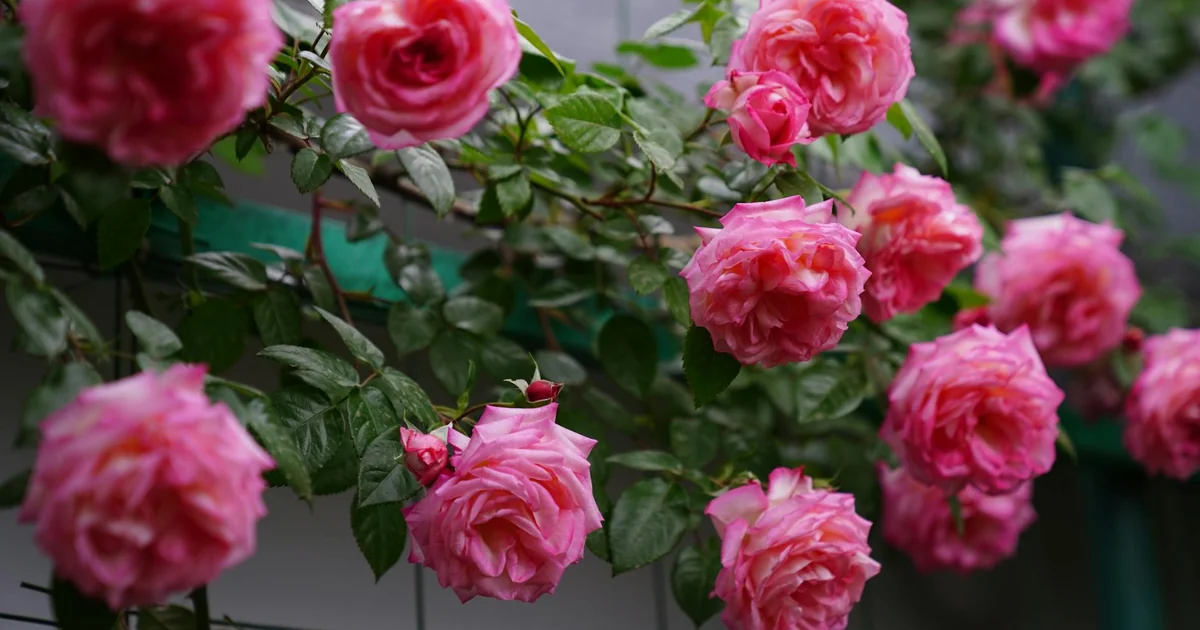
Why Your Climbing Rose Deserves Better Than Basic Care
Imagine a cascade of blossoms tumbling over your garden arch or weaving through a wooden trellis. That romantic vision is what draws many gardeners to climbing roses. Yet without the right approach, those long canes can turn into a tangled mess with very few flowers. The secret lies not in doing more, but in doing the right things at the right time. Proper climbing rose care transforms a struggling plant into a showstopper. Here are five foolproof tips to get you there.
Tip 2: Water the Right Way to Avoid Disaster
Watering sounds simple, but it is the area where most well-meaning gardeners cause unintended harm. Both underwatering and overwatering create stress that invites pests and disease.
The Two-Gallon Rule
An established climbing rose needs roughly two gallons of water per week during the growing season. That number goes up during heat waves or dry spells. The key is to water deeply and less frequently rather than giving the plant a light sprinkle every day. Deep watering encourages roots to grow downward, making the plant more drought-tolerant over time.
Keep the Leaves Dry
Wet foliage is a breeding ground for fungal spores. A soaker hose or drip irrigation system delivers water directly to the soil without splashing the leaves. If you must use a sprinkler, do it early in the morning so the sun can dry the plant before nightfall. Evening watering traps moisture on the leaves overnight, which is an open invitation to black spot and rust.
Check the Soil Before You Water
Stick your finger about two inches into the soil near the base of the plant. If it feels dry at that depth, it is time to water. If it feels damp, wait another day. Overwatering leads to root rot, a condition that turns roots mushy and brown. Once root rot sets in, saving the plant becomes difficult. A simple finger test prevents this problem entirely.
Tip 3: Feed Strategically for Continuous Blooms
Climbing roses are heavy feeders. They put tremendous energy into producing those long canes and abundant flowers. Without proper nutrition, the blooms become smaller, the colors fade, and the plant becomes vulnerable to disease.
Start with Compost
When you first plant your rose, mix a few shovelfuls of compost into the backfill soil. Compost provides a slow-release buffet of nutrients and improves soil structure. It also introduces beneficial microorganisms that help the roots absorb minerals.
The Balanced Fertilizer Schedule
Once the plant is established and you see new growth, begin a regular feeding routine. A balanced fertilizer with an N-P-K ratio around 10-10-10 works well. Apply it every two to three weeks during the active growing season, following the label instructions carefully. More fertilizer is not better. Overfeeding can burn the roots and produce excessive leafy growth at the expense of flowers.
Stop fertilizing about eight weeks before your area’s first expected frost date. This is a crucial step in climbing rose care that many people miss. Late-season fertilizer pushes tender new growth that will not harden off before winter. That soft growth gets killed by frost, and the damage can spread back into the older wood.
Watch for Signs of Deficiency
Yellowing leaves with green veins often indicate an iron deficiency, which is common in alkaline soils. Pale, stunted growth usually means the plant needs more nitrogen. If the flower buds drop before opening, potassium might be lacking. A soil test kit from your local garden center gives you precise information about what your soil needs.
Tip 4: Prune with Purpose, Not Panic
Pruning intimidates many gardeners, but climbing roses are forgiving plants. The goal is not perfection. It is about removing what is dead, diseased, or unproductive so the plant can focus its energy on vigorous new growth and flowers.
Timing Is Everything
Prune once a year, right after the first major flush of blooms finishes. For most climates, this falls in late spring or early summer. Avoid pruning in autumn. Cutting back the plant in fall stimulates fresh growth that will not survive the winter cold. The only exception is removing dead or broken canes, which you can do at any time.
What to Cut
Start by removing any canes that look brown, shriveled, or black. These are dead or diseased. Cut them back to healthy white wood or remove them entirely at the base. Next, look for canes that cross each other or rub together. Rubbing creates wounds that allow disease to enter. Remove the weaker of the two crossing canes.
Thin out crowded areas to improve airflow. A good rule of thumb is to remove about one-third of the oldest canes each year. This keeps the plant young and productive. Old, woody canes that are more than three or four years old produce fewer flowers, so replacing them with fresh basal shoots keeps the bloom show going strong.
The Technique Matters
Use sharp, clean bypass pruners. Make your cuts at a 45-degree angle about a quarter inch above an outward-facing bud. Cutting at an angle prevents water from sitting on the cut surface, which reduces the risk of rot. An outward-facing bud directs new growth away from the center of the plant, opening up the structure for better light penetration.
Tip 5: Protect Against Pests and Winter Stress
Even the healthiest climbing rose faces threats from insects, disease, and harsh weather. A proactive approach keeps these problems from becoming disasters.
You may also enjoy reading: Tips to Make Compost Tea Like a Pro.
Common Pests and Simple Solutions
Aphids are the most frequent visitors. These tiny green or black insects cluster on new growth and buds, sucking sap and weakening the plant. A strong blast of water from the hose knocks them off effectively. For persistent infestations, insecticidal soap works without harming beneficial insects like ladybugs and lacewings.
Japanese beetles can strip a rose bush in days. Hand-picking them in the early morning when they are sluggish is surprisingly effective. Drop them into a bucket of soapy water. Avoid using traps, as they often attract more beetles than they catch.
Disease Prevention
Black spot, powdery mildew, and rust are the big three rose diseases. Prevention is easier than cure. Water at the base, not overhead. Space plants for airflow. Remove fallen leaves from around the base in autumn, as these harbor fungal spores over winter. A dormant spray of horticultural oil in late winter smothers overwintering spores and insect eggs.
Winter Protection
Climbing roses are hardy in USDA zones 4 through 11, but even hardy varieties appreciate some winter protection in cold climates. After the first hard frost, mound soil or mulch about 12 inches high around the base of the plant. This insulates the graft union and lower canes. For extra protection in very cold areas, wrap the canes in burlap or use rose cones.
Do not cover the plant too early. Wait until the ground has frozen and the plant has gone fully dormant. Covering too early traps heat and moisture, which encourages rot and fungal growth.
Frequently Asked Questions About Climbing Rose Care
How often should I water a climbing rose?
During the growing season, aim for about two gallons per plant each week. Adjust based on rainfall and temperature. Always check the soil moisture first. Water deeply rather than frequently to encourage deep root growth.
When is the best time to plant climbing roses?
Late winter or early spring is ideal for bare-root roses. The soil should be workable but not frozen or waterlogged. This timing gives the roots a chance to establish before the summer heat arrives.
Do climbing roses need a trellis or support?
Yes. Climbing roses do not climb on their own the way ivy or clematis does. They need a structure like a trellis, arbor, fence, or pergola to hold their canes. Attach the canes loosely with soft ties to guide their growth.
Why is my climbing rose not blooming well?
Several factors can cause poor blooming. Insufficient sunlight is the most common reason. Make sure your rose gets at least six hours of direct sun. Over-pruning or pruning at the wrong time can also remove flower buds. Finally, too much nitrogen fertilizer produces lush leaves at the expense of flowers. Switch to a balanced or bloom-boosting fertilizer.
Can I grow a climbing rose in a container?
Yes, but choose a compact variety and a large pot. A container of at least seven to ten gallons is necessary to accommodate the root system. Use a mix of peat moss, potting soil, and mulch. Keep in mind that container plants dry out faster and need more frequent watering than in-ground plants.
Mastering climbing rose care does not require a degree in horticulture. It simply requires paying attention to the basics: proper planting, smart watering, regular feeding, thoughtful pruning, and proactive protection. Follow these five tips, and your climbing rose will reward you with a breathtaking display season after season.