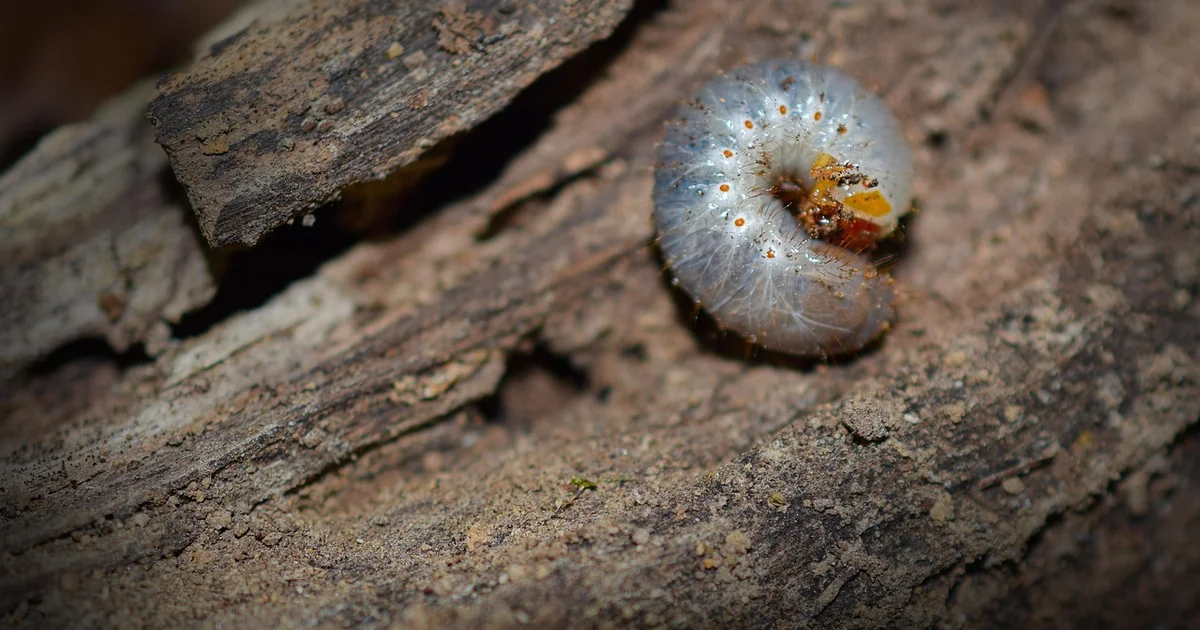
Walking across a lawn that once felt like a plush carpet only to find it now resembles a patchy, dried-out sponge can be disheartening. You water it, you fertilize it, yet the grass pulls up with alarming ease. Beneath the surface, a silent destruction is taking place. The culprits are often small, C-shaped creatures with brown heads and soft, white bodies. These are lawn grubs, the larval stage of beetles like the Japanese beetle and June bug, and they feed on the root systems of your turf. Left unchecked, a modest population can explode into a full-blown infestation that turns your yard into a buffet for skunks, raccoons, and birds. Understanding the strategies for lawn grub control is not just about applying a product; it is about timing, reading the signs, and choosing the right method for your specific situation. This guide walks through five expert-backed ways to reclaim your grass and prevent further damage.
Method One: Preventive Insecticides for Early Protection
Preventive products act as a shield for the upcoming year. They are designed to target eggs and the very youngest larvae before they can cause any meaningful damage. These are not for the homeowner who suddenly notices a dead patch in September. Instead, they are for the proactive gardener who wants to stop the problem before it starts.
Key Chemicals and Their Timing
The most common active ingredients in preventive insecticides include imidacloprid, thiamethoxam, and clothianidin. These chemicals linger in the soil for a significant period, creating a toxic barrier for newly hatched larvae. The application window is crucial. Experts generally recommend applying these products between early June and mid-July. This timing ensures the chemical is present in the root zone when the eggs hatch. A newer option, chlorantraniliprole, offers a slightly different profile. It is less harsh on pollinator populations if applied correctly, but it is not quite as potent as the other three. It can be applied as early as late spring.
Applying Preventive Products Safely
Safety and effectiveness go hand in hand. Mow the lawn a day or two before you plan to apply the treatment. Removing flowering weeds like clover or dandelions protects foraging bees from exposure. Use a broadcast spreader for granular formulas, ensuring even coverage. If the product is a liquid concentrate, attach a hose-end sprayer and follow the mixing instructions carefully. The single most important step happens after the product lands on the grass. You must water it in immediately. Apply enough water—roughly half an inch—to wash the insecticide off the grass blades and into the soil where the grubs live. Skipping this step leaves the chemical on the surface where it degrades in sunlight and does nothing to kill pests below.
Method Two: Curative Insecticides for Active Infestations
If you missed the preventive window or notice damage in early autumn or spring, curative insecticides become the tool of choice. These are the “fire extinguishers” of lawn grub control. They stop the current infestation, but they offer no lasting protection for the future.
When and How to Use Curatives
Carbaryl and trichlorfon are the two primary active ingredients for curative applications. These chemicals work fast but also break down quickly in the environment. They are most effective when grubs are actively feeding near the soil surface. This feeding window occurs from late summer through early autumn and again briefly in the spring before the grubs pupate. Once the grubs stop feeding to turn into beetles, no chemical will reach them. Apply the product using a spreader and water it in with half an inch of water. Do not expect overnight miracles. It can take up to two weeks for the grubs to die after exposure. A key limitation is that curative insecticides are generally less effective than preventive treatments. If the infestation is severe, a single curative dose may reduce the population but not eliminate it entirely. Follow up with adequate watering and a balanced fertilizer to help the damaged grass recover.
Method Three: Biological Control with Milky Spore
For those who prefer a non-chemical approach, milky spore offers a fascinating alternative. It is a naturally occurring bacterium called Paenibacillus popilliae. When a Japanese beetle grub ingests this bacterium, it multiplies inside the grub, causing a milky fluid to fill the body cavity. The grub dies, and billions of new spores are released into the soil from the carcass.
Understanding the Timeline
Milky spore is a long-term investment, not a quick fix. It requires patience. The bacteria need a certain population density of grubs—usually ten or more per square foot—to establish and spread effectively. If the grub count is lower, the spores may not find enough hosts to multiply. Once established, milky spore can persist in the soil for ten to fifteen years or longer. However, achieving full control can take two to four years. This method works best against Japanese beetle grubs. It does not affect other grub species like June beetles. Homeowners in regions where Japanese beetles are the primary pest will see the best results.
Application Guidelines
Apply milky spore powder or granules using a drop spreader. Unlike chemical insecticides, it does not need to be watered in immediately. Rain or normal irrigation will carry it into the soil. Apply it in late summer or early autumn when grubs are actively feeding. Because the bacteria need living grubs to reproduce, results improve after each generation of grubs consumes the spores. Do not apply a broad-spectrum insecticide in the same area while using milky spore, as the chemical will kill the grubs before the bacteria can spread.
Method Four: Biological Control with Beneficial Nematodes
Beneficial nematodes are microscopic roundworms that naturally exist in soil. Certain species, such as Heterorhabditis bacteriophora and Steinernema feltiae, are parasitic to grubs. These nematodes seek out the grubs, enter their bodies through natural openings, and release bacteria that kill the host within 24 to 48 hours. The nematodes then reproduce inside the carcass, releasing a new generation to hunt for more grubs.
Creating the Right Conditions
Nematodes are living organisms and require specific conditions to survive and work. They are extremely sensitive to drying and ultraviolet light. Apply them in the early morning, late evening, or on a completely overcast day. The soil must be thoroughly moistened before and after application. Avoid using weed killers or fertilizers containing high levels of nitrogen at the same time. Mix the nematodes with water according to the package instructions and apply using a sprayer or watering can. Keep the sprayer nozzle free of filters that might trap the microscopic worms.
You may also enjoy reading: 7 Secrets to Plant and Grow Yarrow.
What to Expect
Visible results typically appear within three to four weeks. The grass may stop worsening, and grub numbers will decline. Extended dry periods can reduce nematode survival rates, so a second application may be necessary if the weather turns hot and dry. Nematodes are safe for children, pets, earthworms, and plants. They are a highly targeted tool for lawn grub control that fits well into an organic lawn care routine.
Method Five: Knowing When to Call a Professional
Not every lawn problem requires a visit from a service provider, but certain situations demand expertise that goes beyond the home gardener’s toolkit. Recognizing the limits of DIY methods is a form of wisdom that saves time, money, and frustration.
Circumstances That Warrant a Pro
If a square-foot sample of your turf reveals more than ten grubs, the population is significant enough that amateur treatments may struggle to bring it under control. A professional has access to commercial-grade products and equipment that distribute more uniformly. Additionally, some states and municipalities require a license to purchase and apply certain types of insecticides. If you see large swarms of adult beetles hovering close to the ground near your trees or shrubs, this indicates a heavy local population that will likely lead to a severe grub problem the following season. A service can apply multiple treatments at precise intervals to break the cycle across both the lawn and surrounding landscape plants.
Cost vs. Convenience
While hiring a pro carries a higher upfront cost, it often provides better long-term value. They handle the timing, the calibration of spreaders, and the compliance with local regulations. For a homeowner with a large yard or a recurring infestation, the expense of repeated failed DIY attempts can exceed the cost of a single professional visit. If you have already treated the lawn twice with no improvement, it is time to step aside and let a trained technician assess the situation.
How to Check for Grubs Accurately
You cannot treat a problem you never confirmed. Guessing leads to wasted products and unnecessary chemical use. The most reliable method remains hands-on. Use a shovel or a spade to cut into the turf along the edge of a damaged or suspicious area. Lift up a square-foot section of sod about two to three inches deep. Flip it over and count the white C-shaped grubs you see in the soil and on the roots. Repeat this process in three or four different spots around the yard. Finding an average of five or fewer grubs per square foot is generally considered manageable and unlikely to cause visible damage. Anything above five to ten grubs warrants treatment. Anything above ten signals a heavy infestation that requires immediate attention. Check in early autumn for the most accurate picture, as this is when grubs are largest and most active.
Signs That Indicate a Grub Problem
Recognizing the damage early separates a quick fix from a costly restoration. The most obvious sign is irregular patches of grass that turn straw-colored or brown and feel spongy underfoot. Water the lawn and check these patches the next day. If healthy grass nearby looks fine but the patch remains dry, the roots are likely gone. Gently tug at the turf in those patches. If it peels back like a piece of carpet, the grubs have severed the roots. Animal activity is another major clue. Skunks and raccoons dig shallow holes at night to extract grubs. Moles create raised tunnels as they search for a meal. Birds such as crows and starlings peck at the turf in large numbers. A sudden increase in any of these visitors often means a grub buffet is available beneath your grass.
Recovery After Treatment
Successful lawn grub control does not end when the grubs die. The grass is damaged, and it needs help to grow back. Rake out the dead thatch and debris. Overseed the bare patches with a grass seed variety that matches your yard’s conditions. Keep the seeded areas consistently moist until the new grass reaches about three inches tall. Apply a balanced, slow-release fertilizer to support root development. Do not overwater, as grubs prefer moist soil to lay their eggs. Water deeply and infrequently to encourage the grass roots to grow deeper, making the lawn more resilient to future attacks. A healthy, well-maintained lawn is the best defense against grubs of any species.