The 7 Secrets to Master for Stunning Yarrow
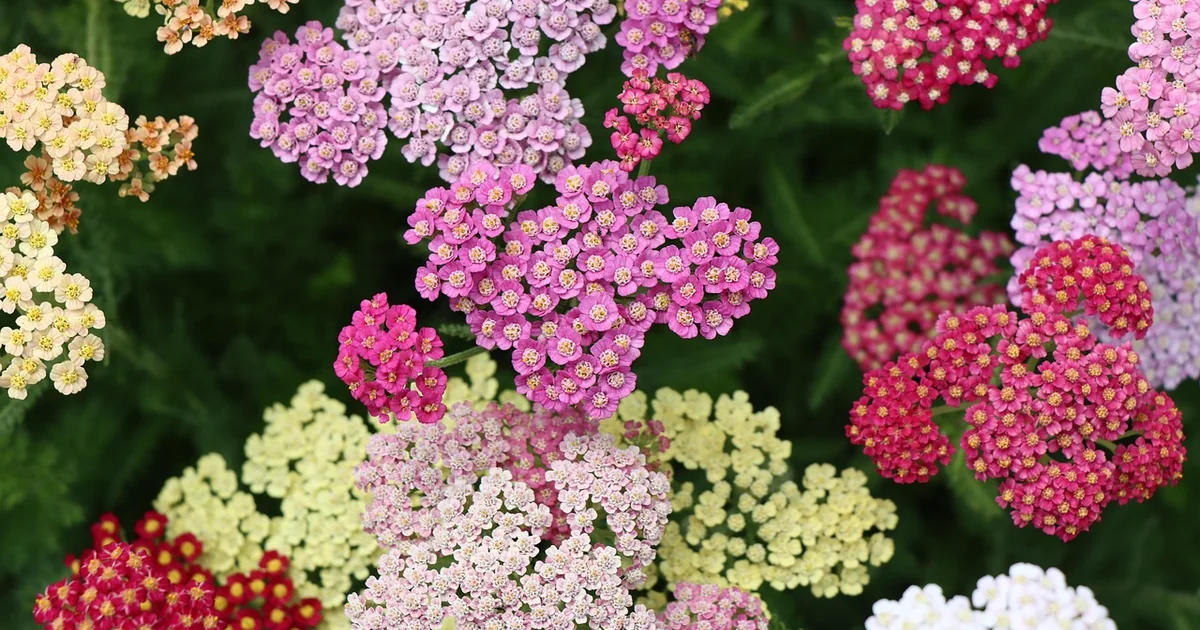
Imagine a plant that asks for almost nothing yet gives you months of color, attracts butterflies and bees, and shrugs off drought like it barely notices. That is yarrow. Many gardeners struggle with plants that demand constant watering, fussy soil conditions, or endless fertilizing. Yarrow offers a refreshing break from all that. But even this tough perennial has a few preferences. Understanding those small details makes the difference between a plant that simply survives and one that truly thrives. Whether you are new to gardening or have years of experience, these seven secrets will transform your approach to growing yarrow in your own backyard.
1. Select the Ideal Spot Before You Dig
Location matters more than most gardeners realize. Yarrow comes from the Achillea genus, named after the Greek hero Achilles who reportedly used it on battlefields to treat wounds. This heritage hints at its toughness. But toughness does not mean it will grow anywhere. The single biggest mistake people make with growing yarrow is placing it in soil that stays wet after rain.
Yarrow absolutely requires well-drained soil. If water pools in the area for more than a few hours after a storm, the roots will rot. Sandy or loamy soil works best. Heavy clay causes trouble unless you amend it with compost or coarse sand before planting. You can test your drainage by digging a small hole, filling it with water, and timing how long it takes to drain. If it takes longer than four hours, choose a different spot or build a raised bed.
Another factor to consider is airflow. Yarrow likes open spaces where breezes can move freely through its fernlike foliage. Crowding it against a fence or wall invites powdery mildew, especially in humid climates. Give each plant room to breathe, and you will see fewer disease issues over the season.
2. Time Your Planting for Maximum Success
Spring and early summer offer the best window for planting yarrow. The soil has warmed up, and the risk of frost has passed in most regions. If you plant too late in the summer, the roots may not establish before winter arrives. Yarrow needs about six to eight weeks of mild weather to settle in before extreme heat or cold hits.
When you bring a nursery start home, dig a hole as deep as the container and about twice as wide. Place the root ball so its top sits level with the surrounding soil. Backfill gently, pressing out any air pockets, and water thoroughly. For the first two weeks, keep the soil consistently moist but not soggy. After that, begin tapering off. This initial watering period is the only time yarrow needs frequent attention.
Space multiple plants one to two feet apart. This spacing allows each plant to develop its full shape without competing for resources. It also prevents overcrowding, which reduces airflow and encourages fungal problems. If you are growing yarrow from seed, start them indoors about six weeks before your last frost date, then transplant them outside after hardening them off for a week.
3. Prioritize Full Sun for Sturdy Stems
Yarrow loves sunlight the way a cat loves a warm windowsill. It needs at least six hours of direct sun each day to produce strong, upright stems. When it receives less light, the stems grow thin and weak. They flop over under the weight of the flower heads, creating a messy appearance that frustrates many gardeners.
Full sun also intensifies flower color. Plants grown in partial shade produce paler blooms that lack the vibrancy yarrow is known for. The foliage stays looser and less compact. Over time, shaded plants become more susceptible to powdery mildew because the leaves stay damp longer after rain or morning dew.
If your garden has a spot that bakes in the afternoon heat, that is exactly where yarrow wants to be. It handles reflected heat from walls and patios better than most perennials. This makes it an excellent choice for those tricky areas near driveways or south-facing fences where other plants struggle.
4. Water Deeply but Infrequently
Here is where yarrow separates itself from high-maintenance garden plants. Once established, it thrives on neglect. In fact, overwatering is one of the fastest ways to kill it. Yarrow evolved in dry, open meadows and rocky slopes where water is scarce. Its roots reach deep into the soil to find moisture, so shallow sprinkling does more harm than good.
Water deeply once every seven to ten days during dry spells. Let the soil dry out completely between waterings. During rainy periods, do not water at all. Yarrow can go weeks without supplemental water once its root system is mature. This makes it a star performer in xeriscaping, a landscaping approach that reduces or eliminates irrigation.
A useful trick is to check the leaves. If they look slightly grayish or the lower leaves begin to curl, the plant is telling you it is thirsty. But do not rush to the hose. Yarrow often perks up on its own after an evening cool-down. Only water if the soil feels dry two inches below the surface.
5. Deadhead Without Hesitation
Deadheading sounds like a chore, but with yarrow it is one of the most rewarding tasks you can do. Removing spent flower heads encourages the plant to produce a second flush of blooms. It also prevents self-seeding, which can turn a tidy patch into a crowded mess within two seasons.
Cut the flower stems back to the first set of leaves below the bloom. Use clean, sharp pruners to make a clean cut. Do this regularly from early summer through fall. Some gardeners worry about cutting too much, but yarrow is forgiving. It bounces back quickly and often rewards you with even more flowers than the first round.
If you want to leave some flower heads for winter interest or for birds to eat the seeds, stop deadheading in late September. The dried stems add texture to the winter garden, and goldfinches and other small birds appreciate the seeds. Just be prepared for some volunteer seedlings in the spring if you take this route.
6. Manage Rhizomes Before They Take Over
Not all yarrow varieties behave the same way underground. Some spread aggressively through rhizomes, which are underground stems that send up new shoots. This trait makes yarrow excellent for erosion control on slopes, but it can become a headache in a manicured flower bed.
If you are planting in a mixed border, choose clumping varieties such as ‘Moonshine’ or ‘Coronation Gold’ rather than spreading types. Check the plant tag for words like “spreading” or “rhizomatous” before buying. If you already have an aggressive variety in your garden, install a physical barrier. Bury a plastic or metal edging ring around the plant, extending it at least eight inches deep into the soil. This stops the rhizomes from creeping into neighboring territory.
You may also enjoy reading: Pros Say Avoid This 1 Spring Habit When Growing Dogwoods.
Another strategy is to grow yarrow in containers. A large pot at least twelve inches in diameter with drainage holes keeps the roots contained. Use a potting mix with vermiculite or perlite to ensure good drainage. Container-grown yarrow needs slightly more frequent watering than in-ground plants, but the trade-off is complete control over its spread.
Dividing yarrow every two to three years also helps manage its growth. Dig up the entire clump in early spring or after flowering, and split it into smaller sections with a sharp spade. Replant the divisions or share them with friends. Division rejuvenates the plant and keeps it from becoming woody and unproductive in the center.
7. Give Yarrow a Winter Care Routine
Yarrow is hardy in USDA zones 3 through 9, which covers most of the continental United States. In colder zones, the foliage dies back completely after the first hard frost. In warmer zones, the leaves may stay green through winter. Either way, a little preparation helps the plant emerge stronger in spring.
After the first frost, cut the stems back to about two inches above the ground. Leave a small tuft of basal leaves if they are still green. Do not cut too early, because the plant needs time to pull energy down into its roots before going dormant. Wait until the leaves have turned brown or blackened from frost.
Apply a two-inch layer of mulch around the crown after the ground freezes. Use straw, shredded bark, or leaf mold. This insulation prevents the freeze-thaw cycles that heave roots out of the soil in northern climates. Remove the mulch gradually in early spring as temperatures warm up. If you leave it on too long, it traps moisture against the crown and invites rot.
In zones 8 and above, winter care is even simpler. Leave the foliage in place for winter interest, or cut it back if you prefer a tidy look. Yarrow in these warmer zones may bloom almost year-round if you keep deadheading. Just watch for excessive moisture during rainy winters, as wet feet are the main threat to yarrow in mild climates.
Frequently Asked Questions About Growing Yarrow
Is yarrow safe to have around pets?
No, yarrow is toxic to dogs, cats, and horses. It contains compounds that can cause vomiting, diarrhea, and excessive drooling if ingested in large amounts. If you have curious pets that nibble on garden plants, place yarrow in areas they cannot reach or choose pet-safe alternatives such as coneflower or black-eyed Susan.
How long does yarrow bloom each season?
With proper care, yarrow blooms from late spring through early fall, a period of about three to four months. Regular deadheading extends the bloom time significantly. Some varieties in warm climates will flower from May until November if you keep removing spent heads. The first flush in early summer is usually the heaviest, with later flushes producing slightly smaller but still abundant flowers.
Can yarrow grow in partial shade?
Yarrow tolerates partial shade, but it performs best in full sun. In areas with less than six hours of direct sunlight, the stems become leggy and weak. The flowers are fewer and less vivid. Disease problems, especially powdery mildew, increase in shaded conditions. If you have no sunny spots, look for shade-tolerant perennials such as hosta or astilbe instead.
What causes yarrow stems to flop over?
Floppy stems usually result from too much shade, overly rich soil, or excessive nitrogen fertilizer. Yarrow prefers lean soil and produces stronger stems when it is not overfed. Too much water can also cause rapid, weak growth. To fix floppy plants, cut them back by half in late spring to encourage sturdier regrowth, and move them to a sunnier location in the fall if needed.
How do I prevent yarrow from taking over my garden?
Choose clumping varieties rather than spreading ones, and deadhead before seeds mature. Install underground barriers around aggressive types, or grow them in containers. Dividing the plants every two to three years also limits their spread. Regular monitoring in early spring lets you pull out unwanted seedlings before they establish deep roots.
Yarrow rewards gardeners who understand its simple needs. Give it sun, drainage, and occasional deadheading, and it will return the favor with months of cheerful blooms and a steady stream of pollinators. Once you master these seven secrets, you will wonder why you ever hesitated to add this rugged perennial to your garden.